Seasoning for roasted root vegetables
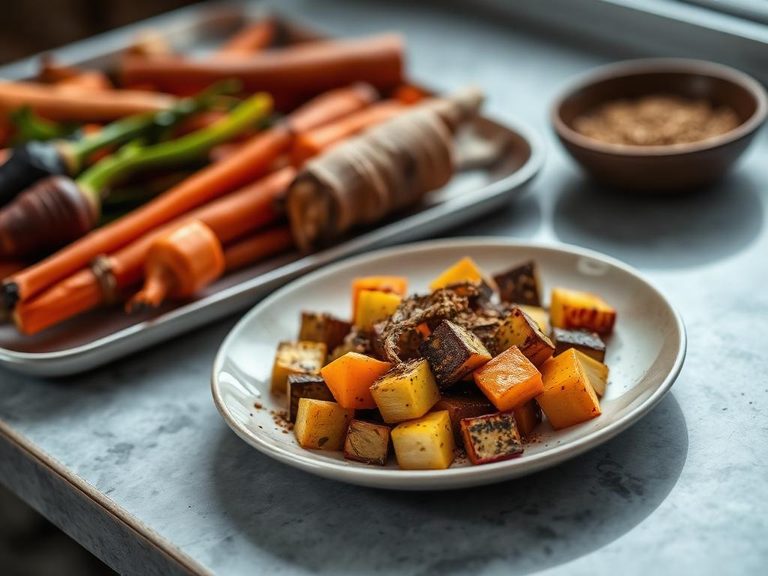
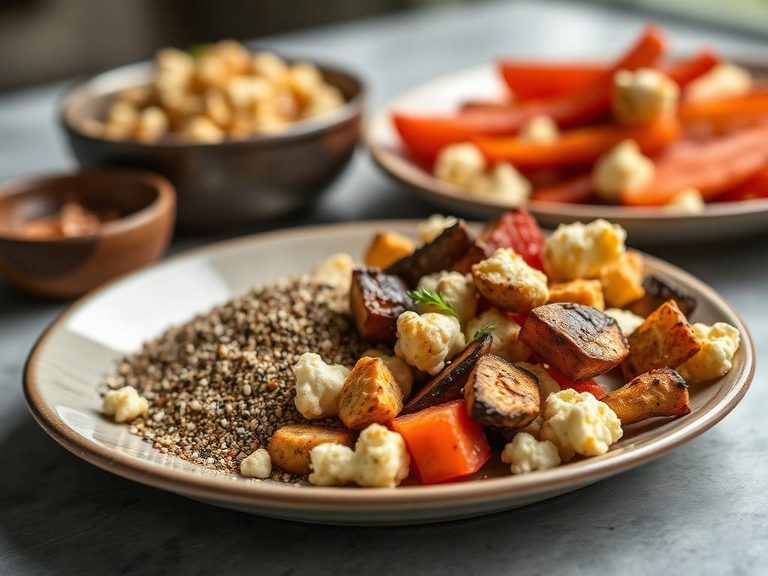
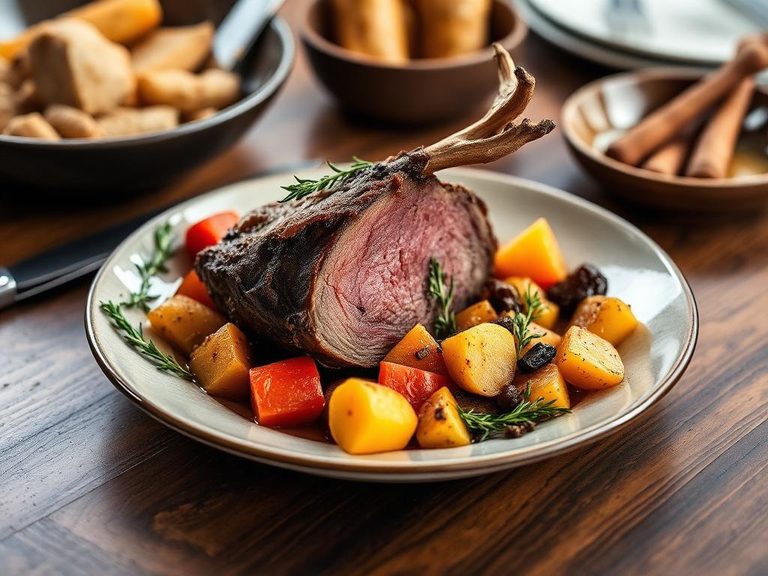
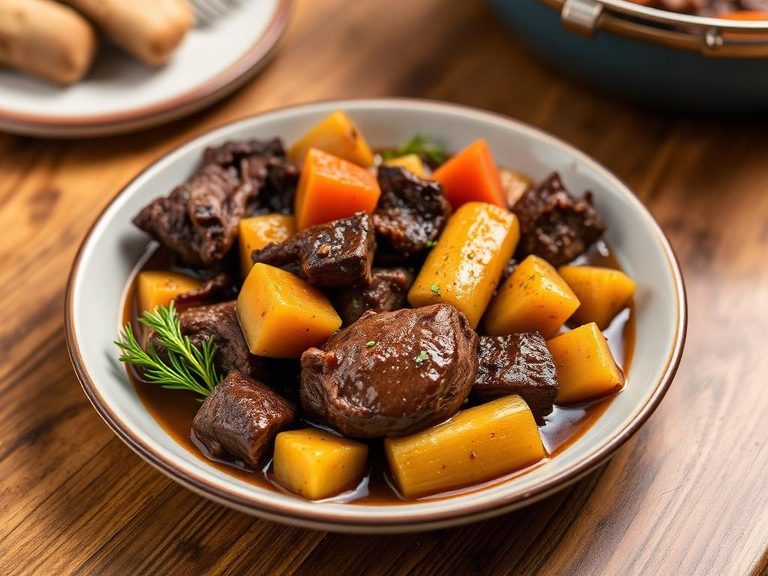
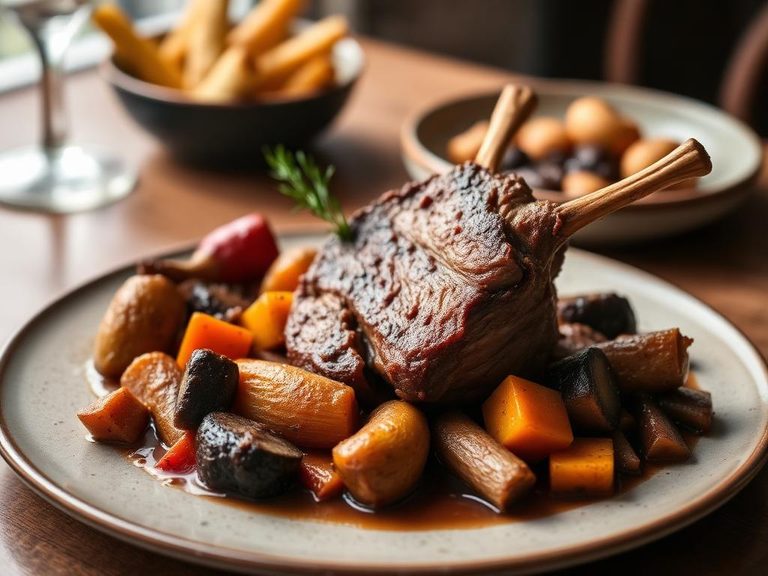
Seasoning for roasted root vegetables is a versatile blend of herbs, spices, and aromatics designed to enhance the natural sweetness and earthy flavors of vegetables like carrots, parsnips, potatoes, and beets. Common ingredients include olive oil, garlic, rosemary, thyme, salt, and pepper, with variations often adding paprika, cumin, or balsamic vinegar. This style of seasoning is widely used in Western cuisines, particularly in American, British, and Mediterranean cooking.
🍽️ Nutrition at a glance
This seasoning is typically low in protein and fat but can be moderate in carbohydrates if it includes sweeteners like honey or maple syrup. It provides key nutrients like vitamin A (from carrots or paprika), potassium, and antioxidants from herbs. A typical serving of seasoned roasted vegetables (about 1 cup) ranges from 100-150 calories, depending on the amount of oil used.
Nutrition breakdown
| Calories | 120 kcal |
| Protein | 2 g |
| Carbs | 18 g |
| Fat | 5 g |
| Fiber | 4 g |
| Sugar | 6 g |
| Sodium | 200 mg |
| Vitamin A | 120 mcg |
| Vitamin C | 15 mg |
| Potassium | 350 mg |
| Iron | 1 mg |
| Calcium | 30 mg |
| Magnesium | 25 mg |
| Vitamin K | 15 mcg |
| Manganese | 0.5 mg |
Per 1 cup (150 g) of seasoned roasted root vegetables · estimated, varies by recipe
💡 What's interesting
Roasting root vegetables with this kind of seasoning caramelizes their natural sugars, creating a depth of flavor that's both comforting and nutritious. Nutritionally, this method helps retain more vitamins compared to boiling, and the herbs often add anti-inflammatory benefits.