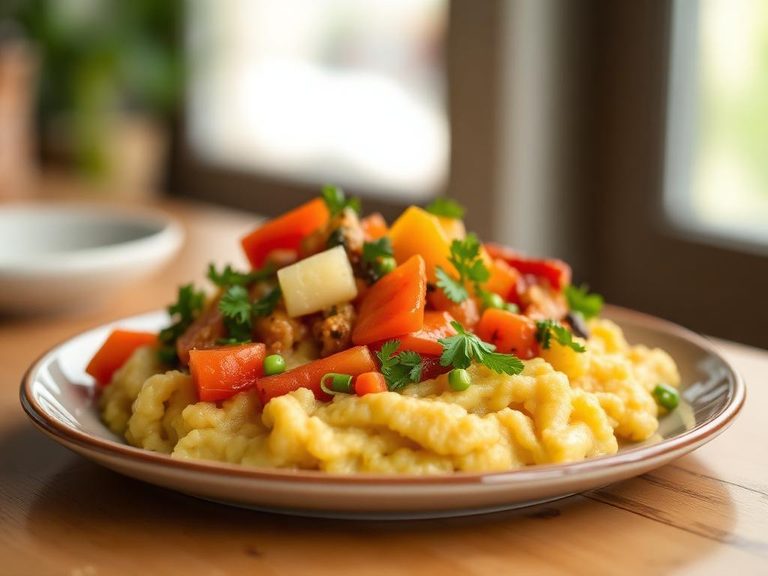
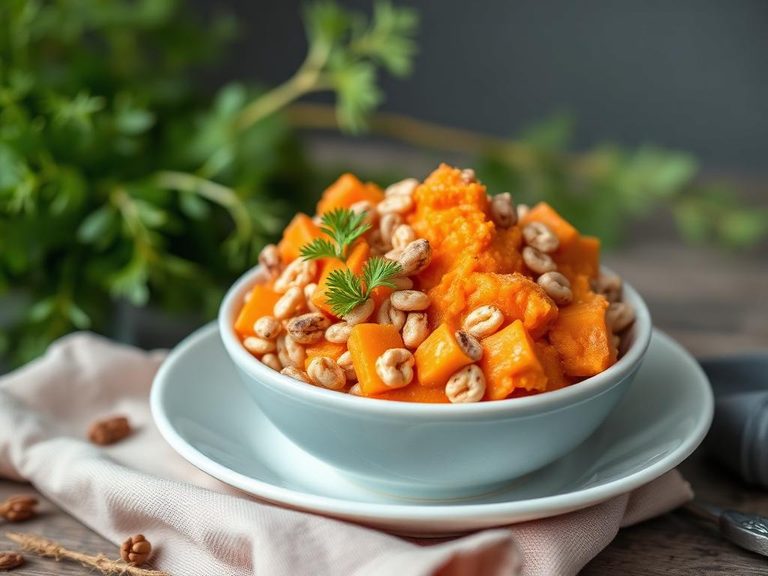
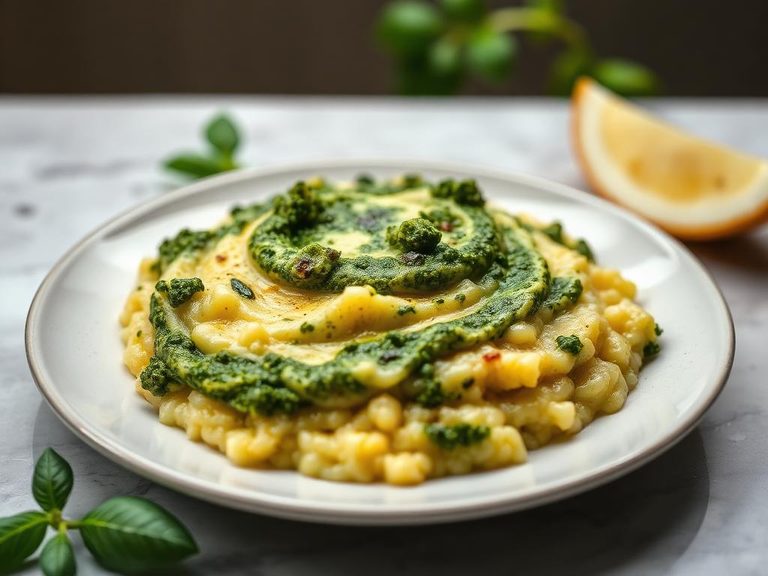
Pureed into a soup or risotto
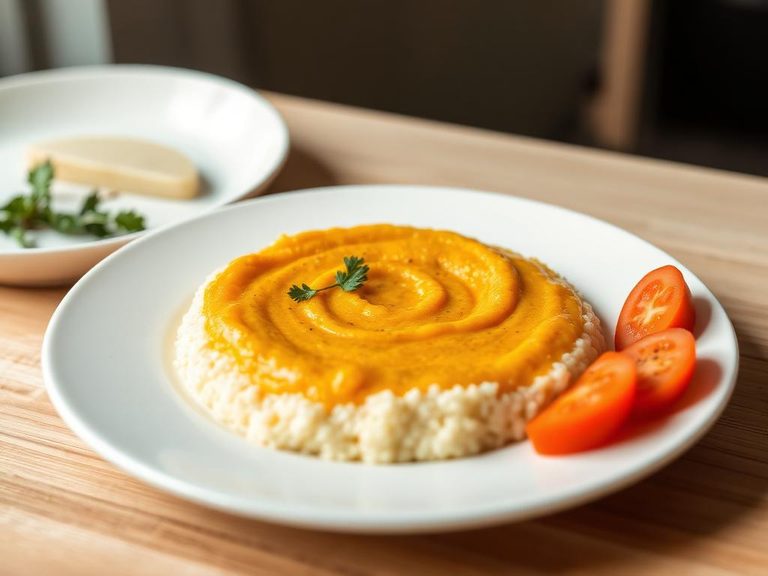
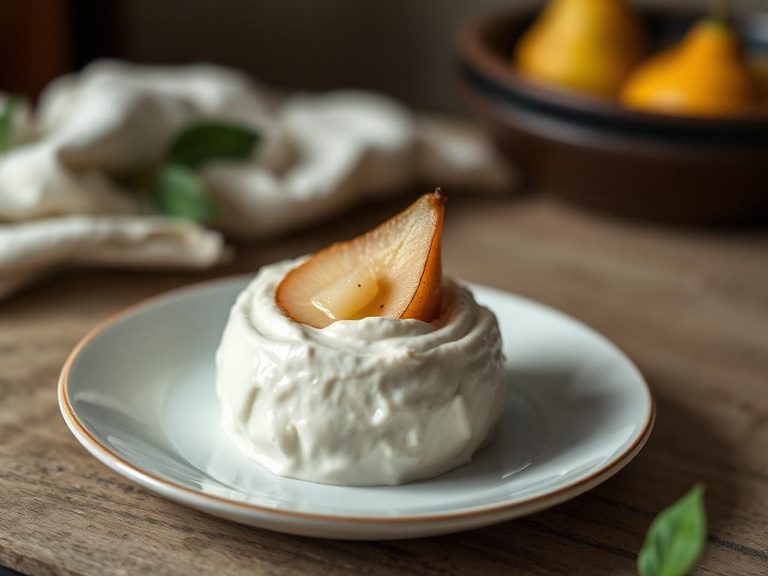
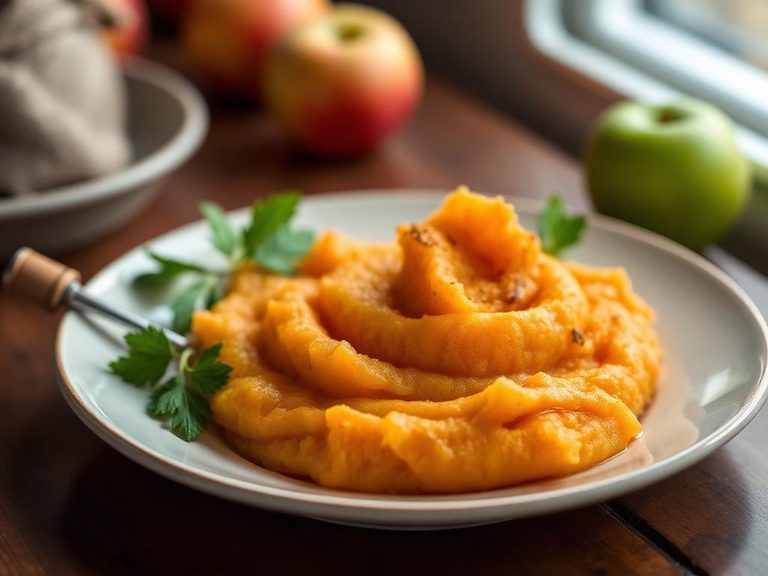
This refers to a creamy, velvety dish where a primary ingredient—often vegetables, legumes, or grains—is cooked and then blended until smooth. It is a common preparation for soups (like butternut squash soup) and risottos (like a creamy mushroom risotto). The technique is widely used across many cuisines, from Italian to French to Asian, to create comforting, spoonable textures.
🍽️ Nutrition at a glance
A pureed dish is typically moderate in carbohydrates if based on grains or starchy vegetables, and can be high in healthy fats if finished with butter, cream, or cheese. It is a good source of dietary fiber, vitamins, and minerals depending on the base ingredient, with a typical serving ranging from 200 to 400 calories.
Nutrition breakdown
| Calories | 280 kcal |
| Protein | 8 g |
| Carbs | 35 g |
| Fat | 12 g |
| Fiber | 5 g |
| Sugar | 6 g |
| Sodium | 480 mg |
| Vitamin A | 120 mcg RAE |
| Vitamin C | 15 mg |
| Potassium | 450 mg |
| Iron | 2 mg |
| Calcium | 100 mg |
| Vitamin K | 25 mcg |
| Magnesium | 40 mg |
| Phosphorus | 150 mg |
Per 1 cup (240 g) · estimated, varies by recipe
💡 What's interesting
The pureeing technique transforms humble ingredients into a luxurious, elegant dish, making it a staple in both home cooking and fine dining. Nutritionally, blending can make nutrients more bioavailable and is an excellent way to incorporate a high volume of vegetables into a meal.