

Probiotic smoothie base

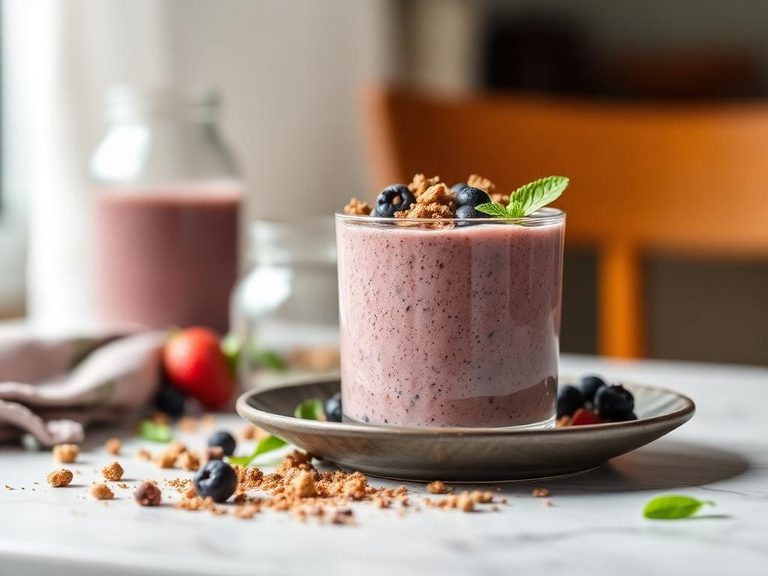
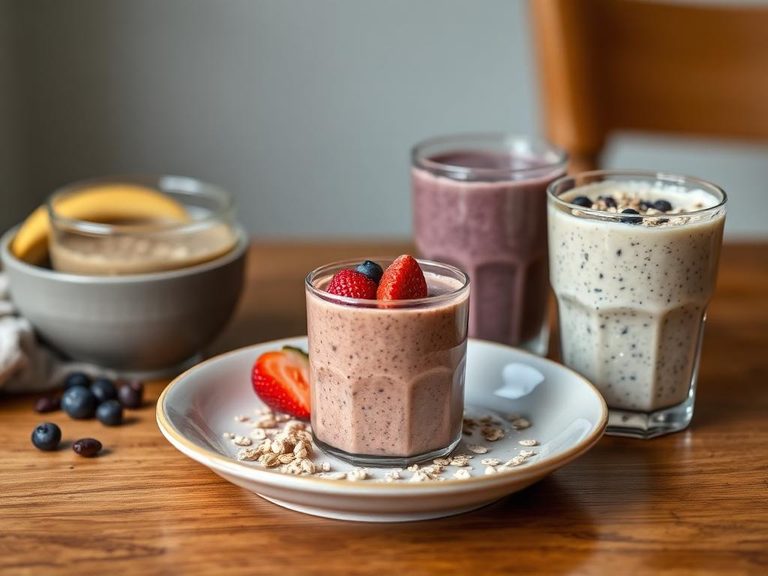
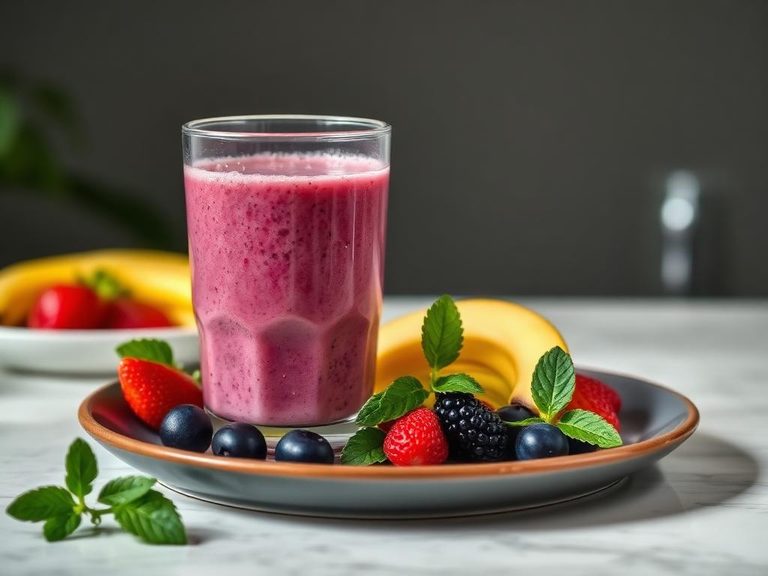
A probiotic smoothie base is a creamy, drinkable foundation designed to support gut health, typically made by blending fermented ingredients like yogurt or kefir with fruits, vegetables, and sometimes prebiotic fibers. It's a modern, health-focused creation popular in wellness circles worldwide, not tied to a single traditional cuisine.
🍽️ Nutrition at a glance
This base is generally moderate in carbohydrates from fruit and added sugars, provides a good amount of protein from dairy or plant-based ferments, and is low in fat unless nuts or seeds are added. It's a rich source of live probiotic cultures, calcium, and potassium, with a typical serving ranging from 150 to 250 calories.
Nutrition breakdown
| Calories | 180 kcal |
| Protein | 8 g |
| Carbs | 28 g |
| Fat | 4 g |
| Fiber | 3 g |
| Sugar | 18 g |
| Sodium | 90 mg |
| Calcium | 200 mg |
| Potassium | 350 mg |
| Vitamin B12 | 0.6 mcg |
| Phosphorus | 150 mg |
| Riboflavin (B2) | 0.3 mg |
| Magnesium | 30 mg |
| Vitamin C | 10 mg |
| Zinc | 1 mg |
Per 1 cup (240 g) · estimated, varies by recipe
💡 What's interesting
What makes it unique is the intentional inclusion of live, beneficial bacteria (probiotics) from fermented foods, which can aid digestion and immune health. Culturally, it represents a fusion of ancient fermentation traditions with modern smoothie culture, turning a snack into a functional food.
🍽️ Related dishes



AI estimate may be inaccurate · Terms