

Plain drinking water
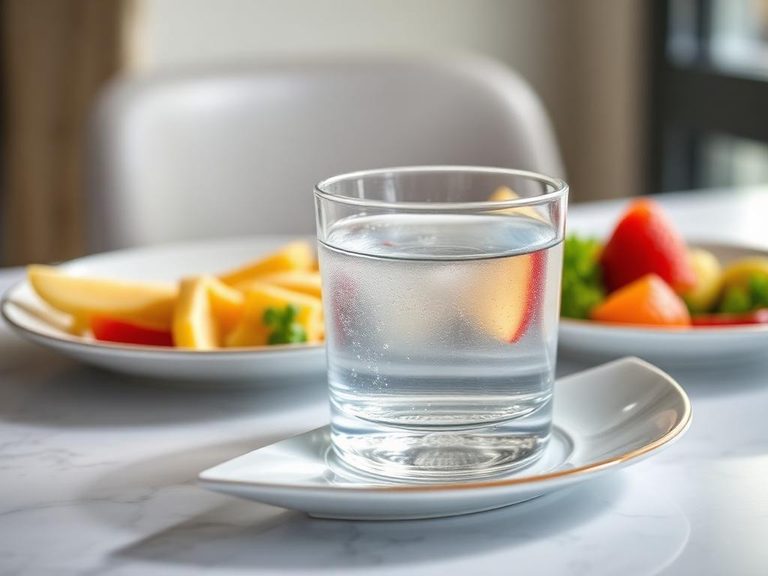
Plain drinking water is the most fundamental and universal beverage, consisting of H2O that is safe for human consumption. It is typically sourced from springs, wells, rivers, or municipal supplies and is often purified or treated to remove contaminants. While not a 'dish' in the culinary sense, it is an essential component of every meal and diet worldwide.
🍳 View the full Plain drinking water recipe →
🍽️ Nutrition at a glance
Water contains zero calories, carbohydrates, fat, or protein. Its primary nutritional role is hydration, providing the essential solvent for bodily functions, regulating temperature, and transporting nutrients and oxygen throughout the body.
Nutrition breakdown
| Calories | 0 kcal |
| Protein | 0 g |
| Carbs | 0 g |
| Fat | 0 g |
| Fiber | 0 g |
| Sugar | 0 g |
| Sodium | 5 mg |
| Calcium | 10 mg |
| Magnesium | 3 mg |
| Potassium | 3 mg |
| Sodium | 5 mg |
| Fluoride | 0.3 mg |
| Bicarbonate | 15 mg |
| Chloride | 8 mg |
| Sulfate | 1 mg |
Per 1 cup (240 g) · estimated, varies by recipe
💡 What's interesting
Culturally, the ritual and vessel for drinking water—from a simple cup to an ornate fountain—can reflect social customs and hospitality. Nutritionally, its unique status is that while it provides no energy, a deficit of it is the most immediate and critical nutritional threat to human survival.
🍽️ Related dishes

AI estimate may be inaccurate · Terms