

Pilau
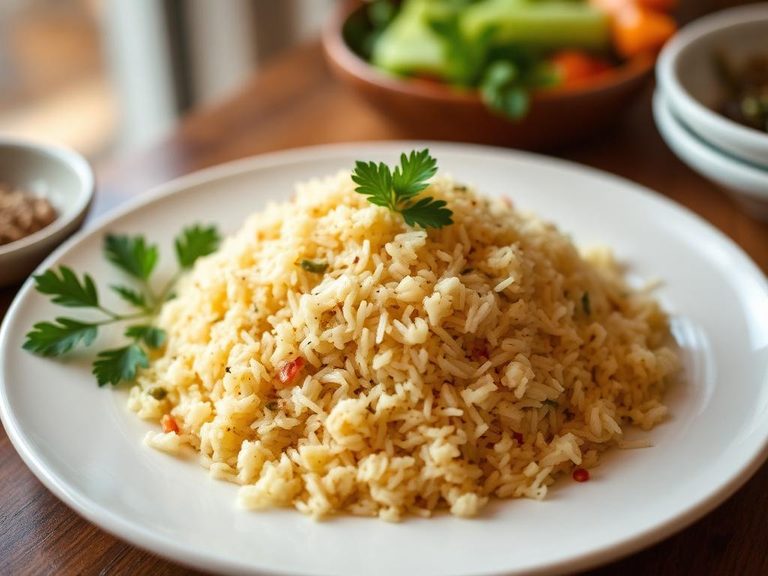
Pilau (or pilaf) is a fragrant rice dish where the grains are first sautéed in oil or ghee with aromatics like onions, garlic, and whole spices (such as cardamom, cloves, cinnamon, and cumin), then cooked in a flavorful broth. It often includes additions like meat (chicken, lamb, or beef), vegetables, or legumes, and is a beloved staple across the Middle East, Central Asia, South Asia, and parts of Eastern Europe.
🍽️ Nutrition at a glance
Pilau is typically a carbohydrate-rich dish due to the rice, but its nutritional profile can vary widely based on the protein source and amount of fat used. A standard serving (about 1 cup) can provide around 300-400 calories, offering B vitamins, iron, and some protein, especially if made with meat or legumes.
Nutrition breakdown
| Calories | 350 kcal |
| Protein | 8 g |
| Carbs | 55 g |
| Fat | 12 g |
| Fiber | 3 g |
| Sugar | 2 g |
| Sodium | 600 mg |
| Iron | 3 mg |
| Potassium | 250 mg |
| Magnesium | 40 mg |
| Phosphorus | 120 mg |
| Zinc | 2 mg |
| Niacin (B3) | 4 mg |
| Vitamin B6 | 0.3 mg |
| Folate | 60 µg |
Per 1 cup (200 g) · estimated, varies by recipe
💡 What's interesting
Culturally, pilau is a dish of celebration and hospitality, with its preparation often passed down through generations and varying significantly by region—from the Zanzibari pilau spiced with coconut milk to the Uzbek plov with carrots and lamb. Nutritionally, the method of cooking rice in broth (rather than plain water) can enhance its mineral content and make it a more complete and satisfying meal.
🍽️ Related dishes
AI estimate may be inaccurate · Terms