

Pilaf or rice pilau
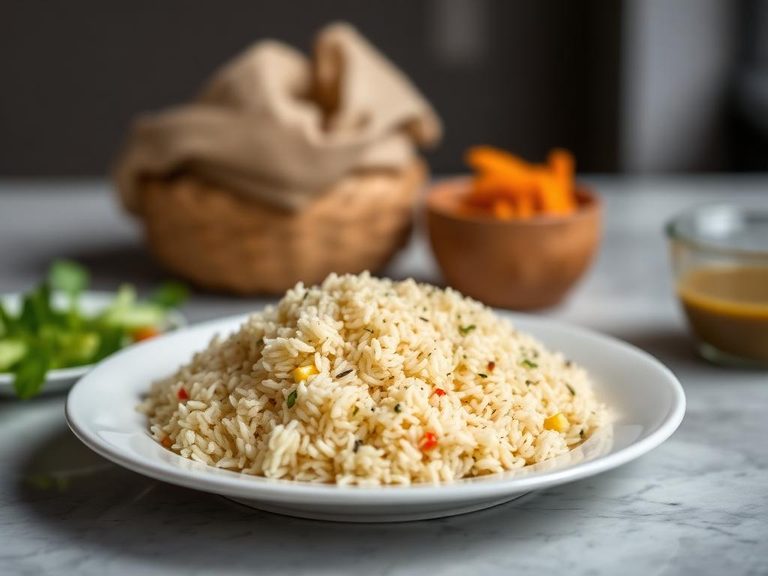
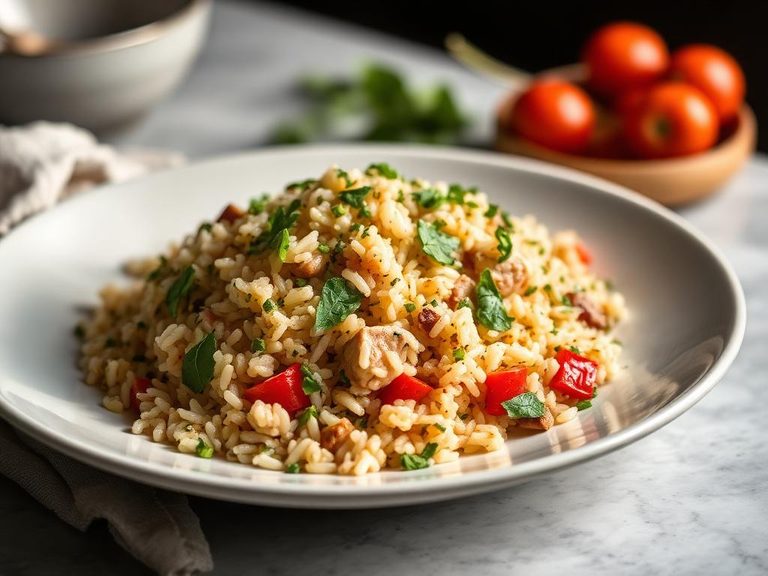
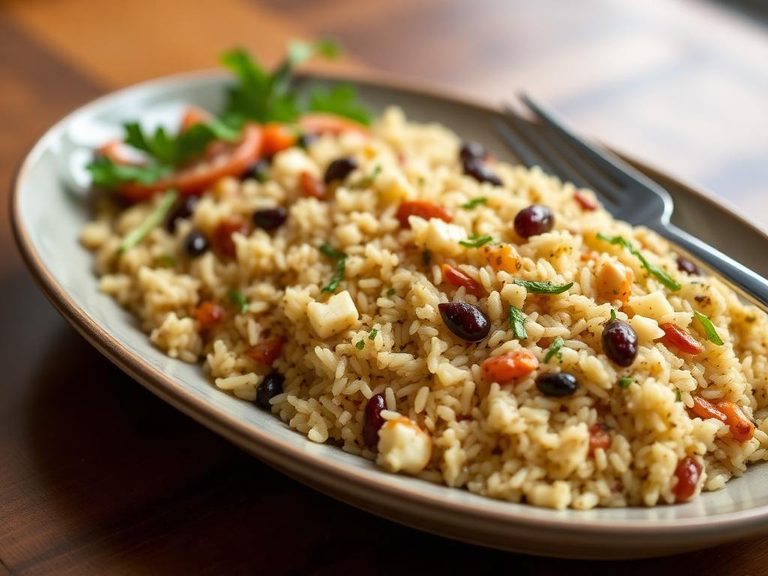
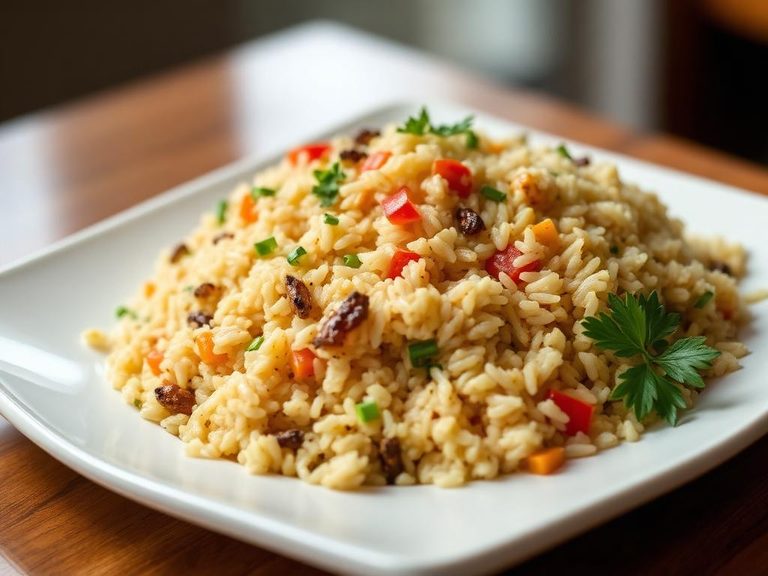
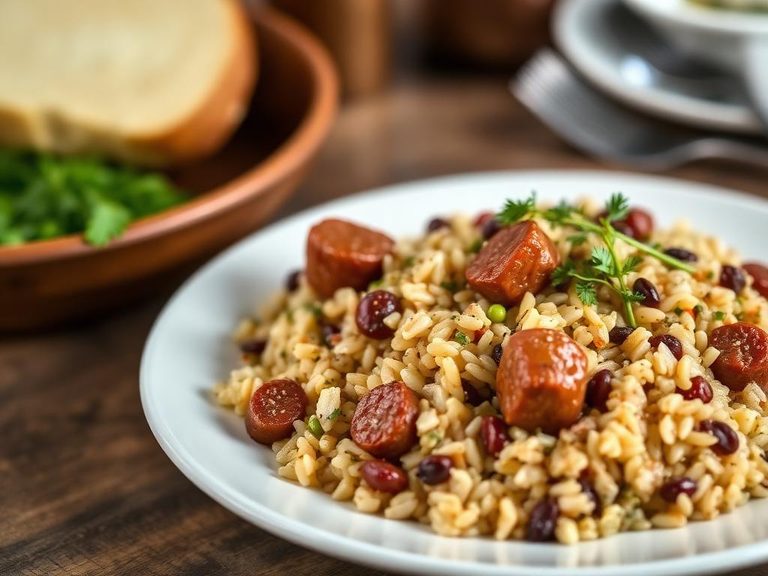
Pilaf, also known as pilau, is a flavorful rice dish where grains are first sautéed in oil or butter with aromatics like onions and spices, then simmered in a seasoned broth. It often incorporates vegetables, meat, or legumes, and its preparation method ensures each grain remains separate and infused with flavor. The dish has roots in the Middle East and Central Asia, with countless regional variations found across the world.
🍽️ Nutrition at a glance
Pilaf is primarily a carbohydrate-rich dish, with its calorie and macronutrient profile varying significantly based on added fats, proteins, and vegetables. A standard serving provides a good source of energy and can offer B vitamins and minerals like iron and magnesium, especially if made with whole grains or enriched rice.
Nutrition breakdown
| Calories | 320 kcal |
| Protein | 8 g |
| Carbs | 52 g |
| Fat | 9 g |
| Fiber | 3 g |
| Sugar | 4 g |
| Sodium | 480 mg |
| Iron | 2.5 mg |
| Potassium | 180 mg |
| Magnesium | 35 mg |
| Phosphorus | 120 mg |
| Thiamin (B1) | 0.2 mg |
| Niacin (B3) | 3 mg |
| Folate | 80 mcg |
| Selenium | 15 mcg |
Per 1 cup (195 g) · estimated, varies by recipe
💡 What's interesting
The technique of toasting rice in fat before simmering is the defining step that gives pilaf its distinctive fluffy texture and nutty aroma, setting it apart from simply steamed rice. Culturally, it is a centerpiece of hospitality and celebration in many cuisines, from Persian 'polo' to Central Asian 'plov' and Indian 'pulao'.
🍽️ Related dishes
AI estimate may be inaccurate · Terms