Pilaf (Pulao)
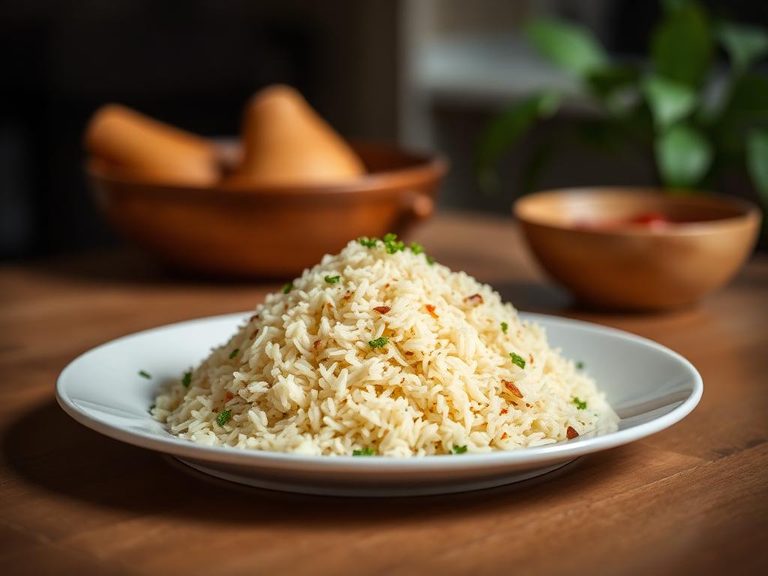
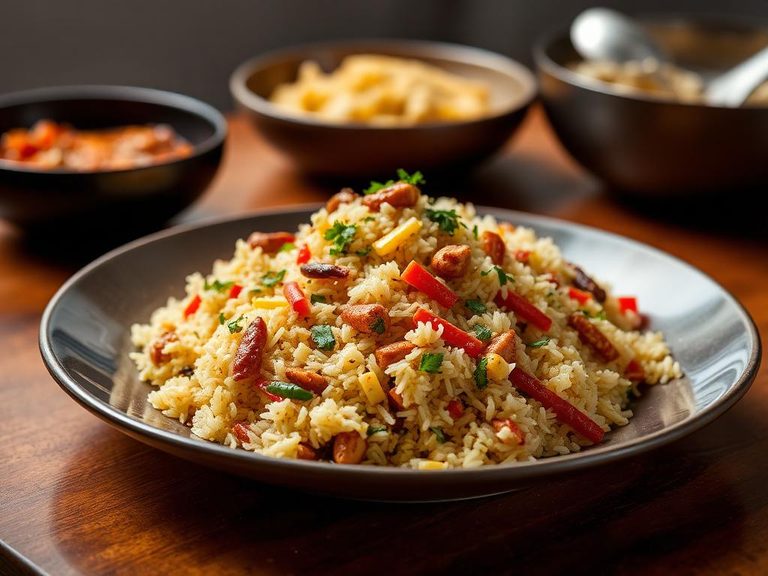
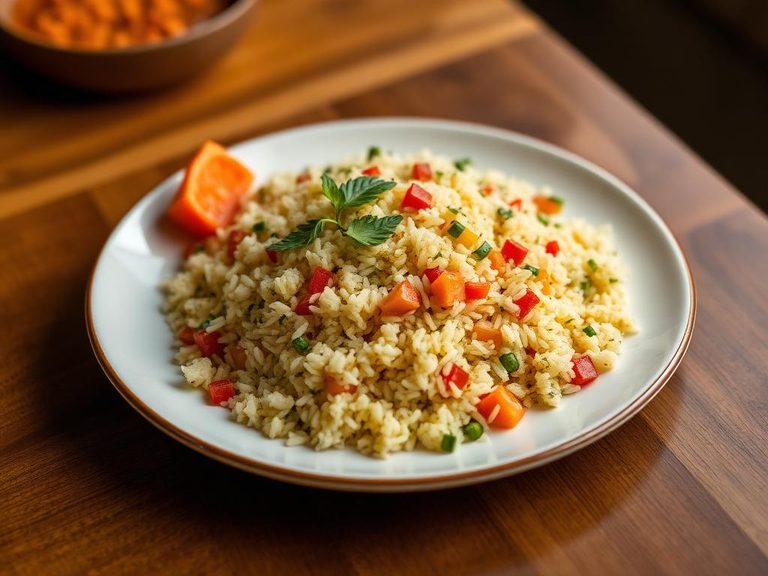
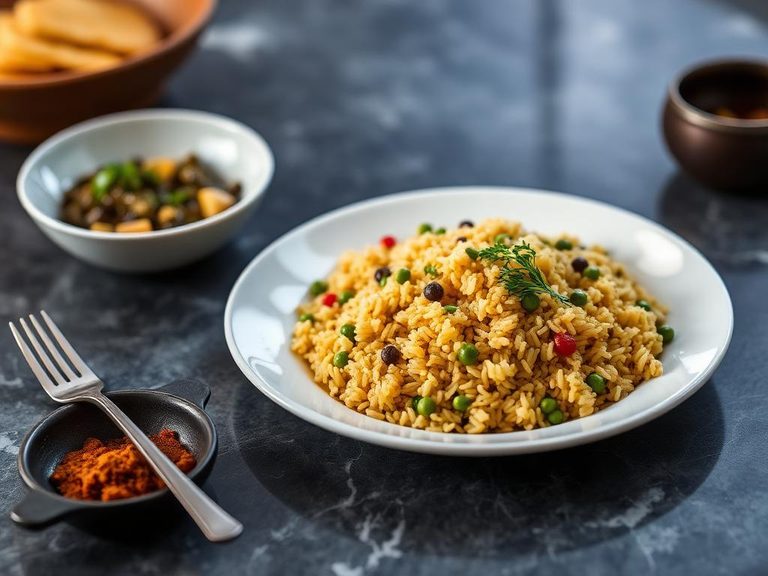
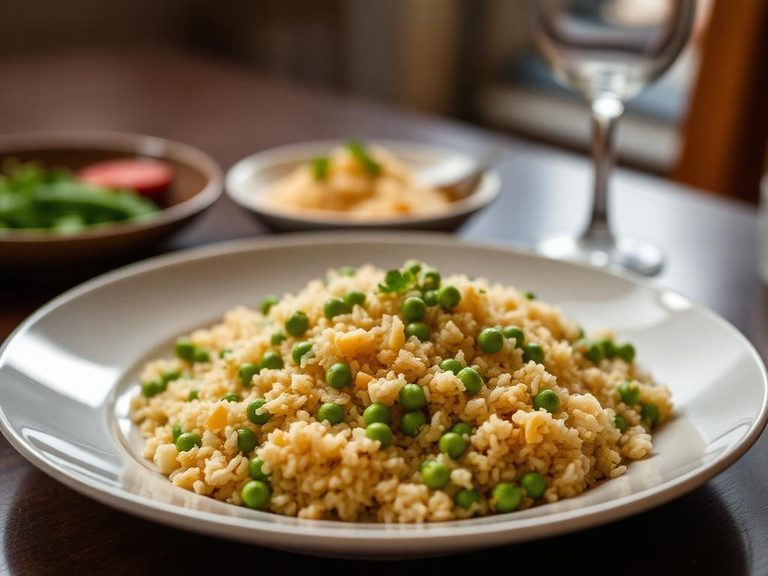
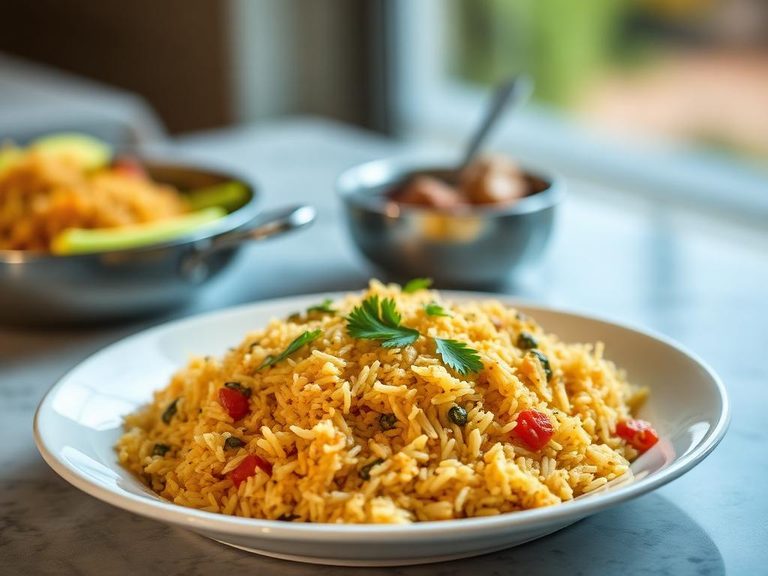
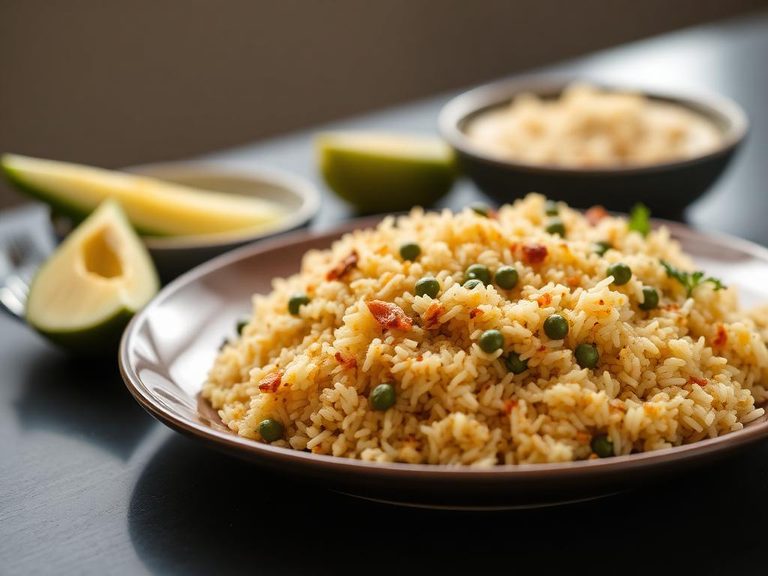
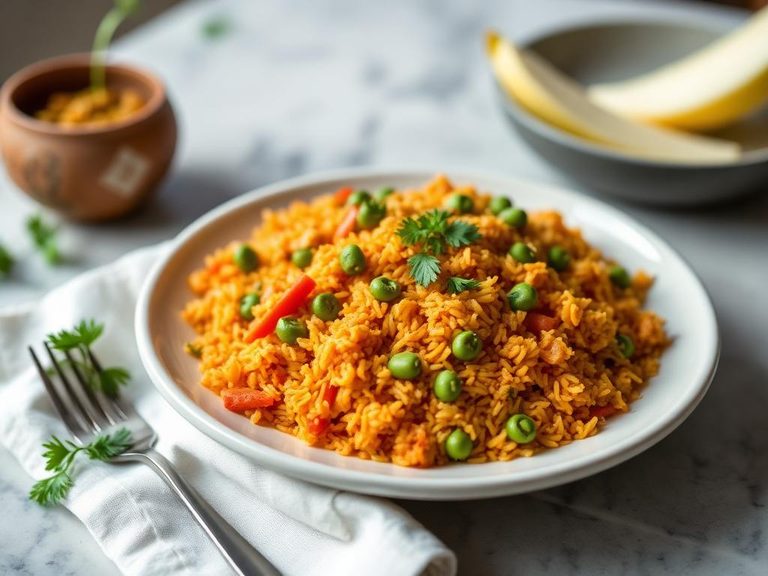
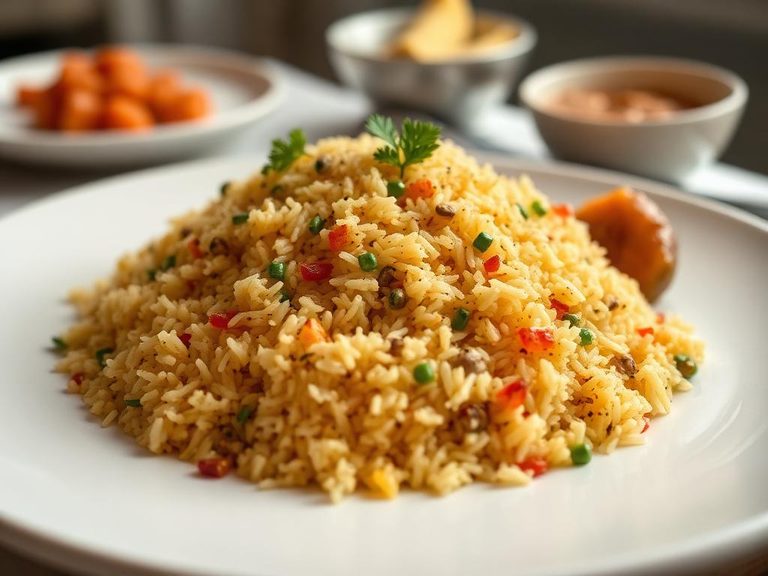
Pilaf, also known as Pulao, is a fragrant rice dish where the grains are first sautéed in oil or ghee with aromatics like onions, garlic, and whole spices (such as cumin, cardamom, and cinnamon), then simmered in a flavorful broth. It often includes additions like meat, poultry, vegetables, or legumes, and is a staple across South Asia, the Middle East, Central Asia, and the Caucasus.
🍽️ Nutrition at a glance
Pilaf is primarily a carbohydrate-rich dish from the rice, with moderate fat from the cooking oil or ghee, and variable protein depending on added meat or legumes. A typical serving provides around 300-400 calories, along with B vitamins, iron, and minerals from the spices and any included vegetables or meat.
Nutrition breakdown
| Calories | 250 kcal |
| Protein | 5.5 g |
| Carbs | 45 g |
| Fat | 5.5 g |
| Fiber | 2.5 g |
| Sugar | 3 g |
| Sodium | 450 mg |
| Potassium | 280 mg |
| Iron | 2.5 mg |
| Magnesium | 35 mg |
| Phosphorus | 100 mg |
| Folate | 60 mcg |
| Niacin (B3) | 3.5 mg |
| Vitamin B6 | 0.3 mg |
| Zinc | 1.2 mg |
Per 1 cup (200 g) · estimated, varies by recipe
💡 What's interesting
Pilaf is culturally significant as a celebratory dish, often served at weddings, festivals, and family gatherings, with regional variations reflecting local ingredients and traditions. Nutritionally, the method of cooking rice in broth helps it absorb more flavor and nutrients compared to plain boiled rice.