

Parenteral nutrition supplement

Parenteral nutrition supplement is a sterile, liquid medical formulation designed for intravenous administration, bypassing the digestive system entirely. It typically contains a precise blend of amino acids, dextrose (glucose), lipids, electrolytes, vitamins, and trace elements. This is not a traditional 'dish' but a life-sustaining medical nutrition product developed in the mid-20th century.
🍽️ Nutrition at a glance
It is a nutritionally complete formula, with macronutrient ratios (carbohydrates, fats, proteins) tailored to a patient's specific metabolic needs. A standard 1000 mL bag can provide a broad spectrum of essential nutrients and a calorie range from approximately 500 to 1500 kcal, depending on the concentration and components.
Nutrition breakdown
| Calories | 1000 kcal |
| Protein | 40 g |
| Carbs | 130 g |
| Fat | 40 g |
| Fiber | 0 g |
| Sugar | 130 g |
| Sodium | 1500 mg |
| Potassium | 1500 mg |
| Calcium | 400 mg |
| Magnesium | 200 mg |
| Phosphorus | 800 mg |
| Vitamin C | 100 mg |
| Vitamin B12 | 5 mcg |
| Zinc | 5 mg |
| Selenium | 40 mcg |
Per 1 bag (1000 mL) · estimated, varies by recipe
💡 What's interesting
This supplement is a marvel of biomedical engineering, representing the ultimate form of 'ready-to-absorb' nutrition. It is culturally significant as a cornerstone of modern critical care, enabling survival for patients who cannot use their gastrointestinal tract.
🍽️ Related dishes
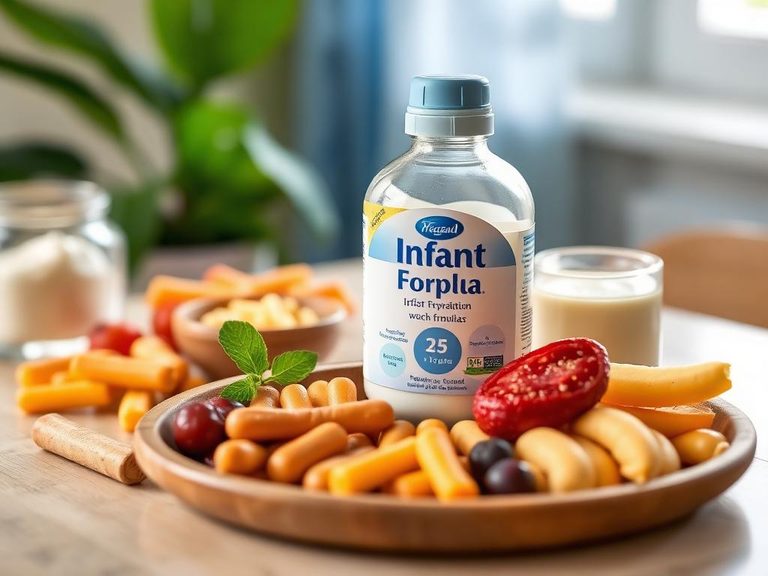 Infant formula and nutritional supplements
 Pediatric Medical Nutrition Supplement
 Nutritional supplements and meal replacements
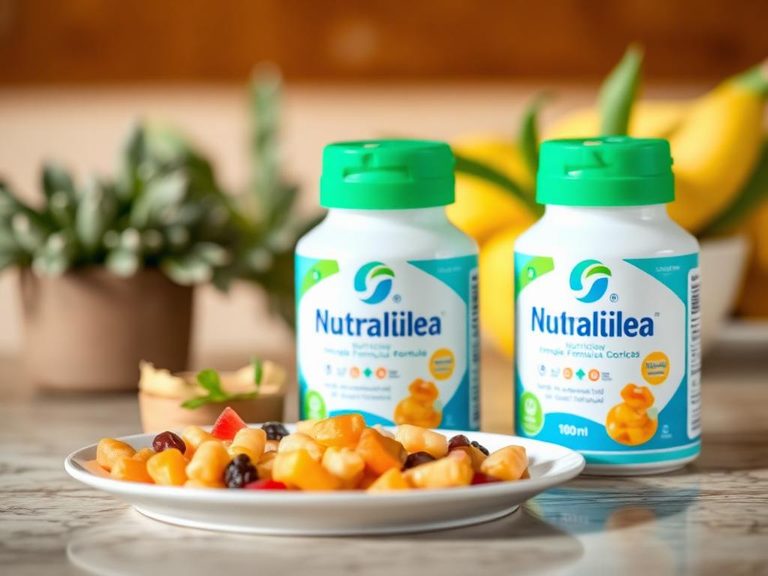 Nutritional Supplement in Infant Formulas
 Nutritional supplement in purees
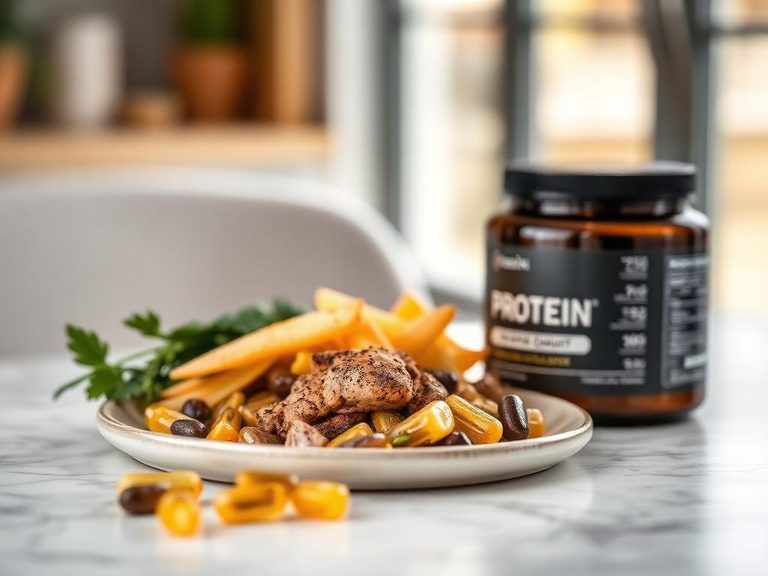 Base for high-protein nutritional supplements
 Nutritional supplement shakes
 Nutritional supplements and meal replacement drinks
AI estimate may be inaccurate · Terms