

Mixed with Vegetable Purée
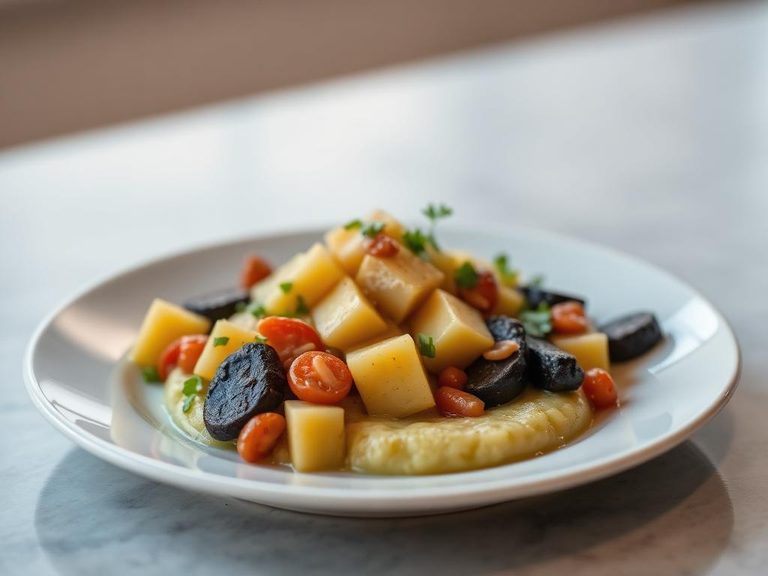
Mixed with Vegetable Purée is a versatile dish where cooked vegetables are blended into a smooth, creamy consistency, often served as a side, sauce base, or standalone soup. It typically features a blend of root vegetables like carrots, potatoes, and parsnips, along with onions and herbs for flavor. While variations exist globally, it is particularly common in European cuisines, especially as a comforting side in British or French cooking.
🍽️ Nutrition at a glance
This dish is generally moderate in carbohydrates from the starchy vegetables, low in fat unless added butter or cream is used, and provides a good source of dietary fiber and key vitamins like vitamin A and potassium. A typical serving contains roughly 150-200 calories, depending on the specific vegetables and any added fats.
Nutrition breakdown
| Calories | 180 kcal |
| Protein | 4 g |
| Carbs | 32 g |
| Fat | 4 g |
| Fiber | 6 g |
| Sugar | 8 g |
| Sodium | 300 mg |
| Vitamin A | 450 µg RAE |
| Potassium | 500 mg |
| Vitamin C | 25 mg |
| Vitamin K | 20 µg |
| Folate | 60 µg |
| Manganese | 0.6 mg |
| Iron | 1.5 mg |
| Magnesium | 35 mg |
Per 1 cup (240 g) · estimated, varies by recipe
💡 What's interesting
Culturally, vegetable purées are a cornerstone of both rustic home cooking and refined French cuisine, where they can be elevated to elegant purées or mousses. Nutritionally, blending vegetables increases the bioavailability of certain nutrients and makes it an excellent way to incorporate a variety of vegetables into one's diet, especially for children or those with digestive sensitivities.
🍽️ Related dishes
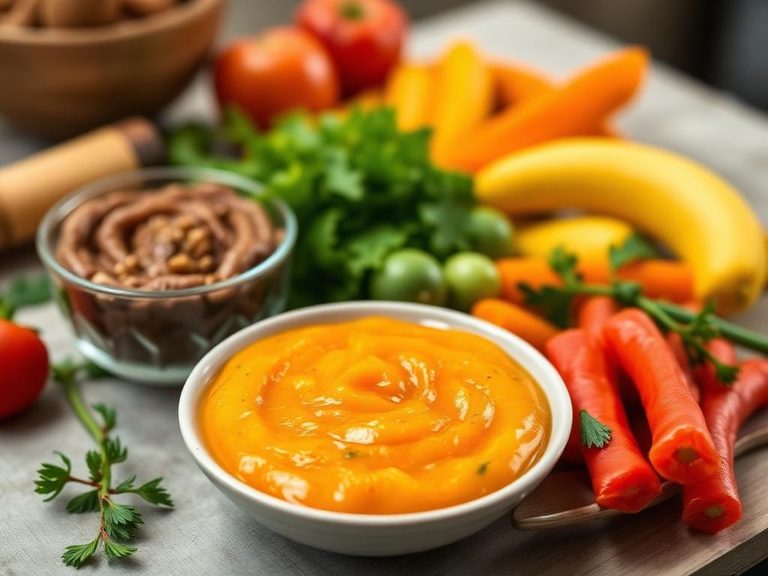 Homemade vegetable purée blends
 Blended into fruit or vegetable purees
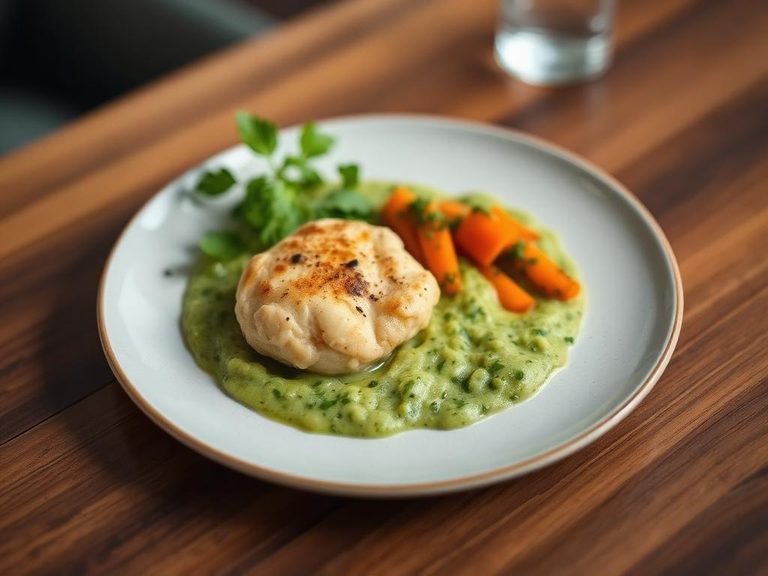 Combined with vegetable puree for a savory meal
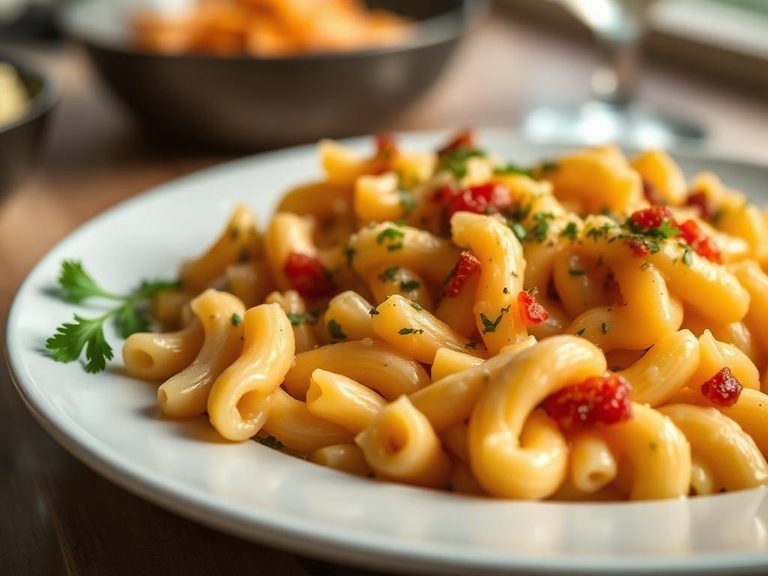 Macaroni and cheese with hidden vegetable puree
 Mini Lamb Meatballs with Vegetable Purée
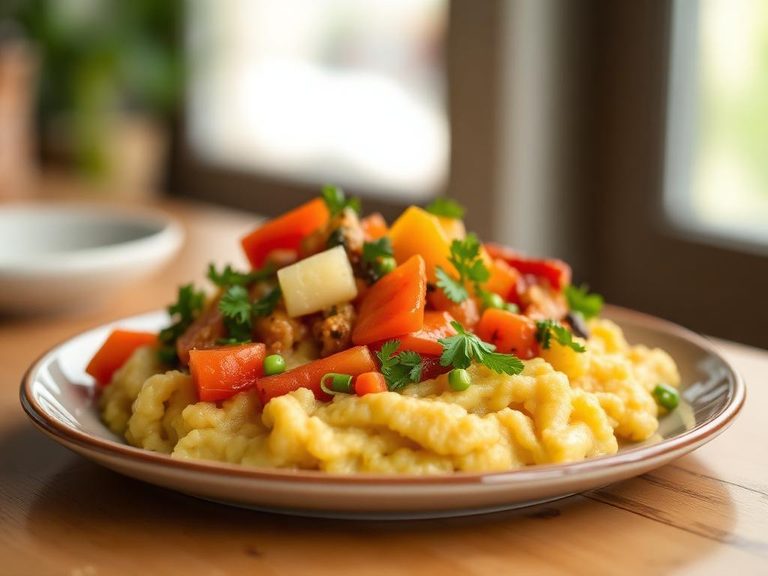 Mixed with pureed vegetables for added nutrients
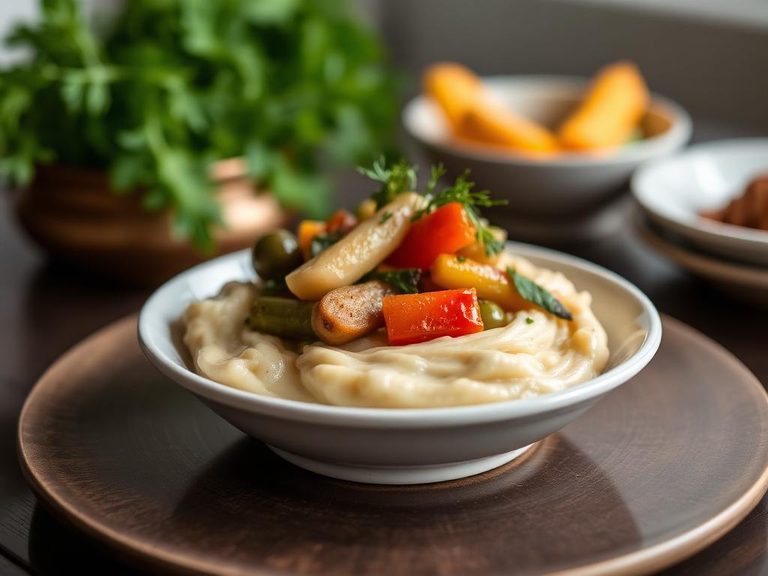 Side dish with pureed vegetables
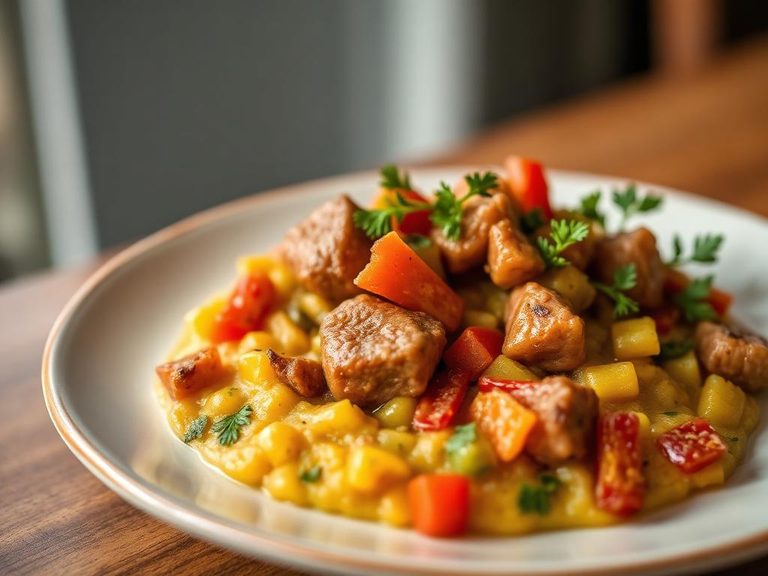 Mixed vegetable and meat puree
AI estimate may be inaccurate · Terms