Mixed with infant rice or oat cereal
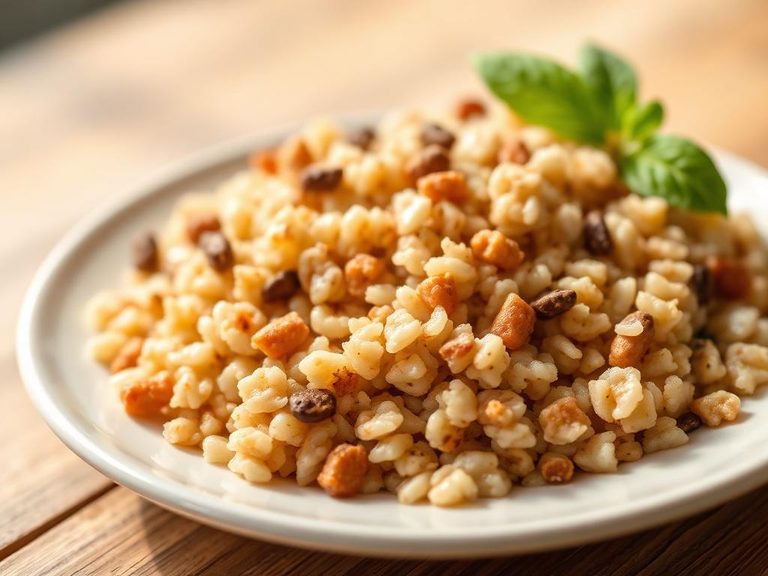
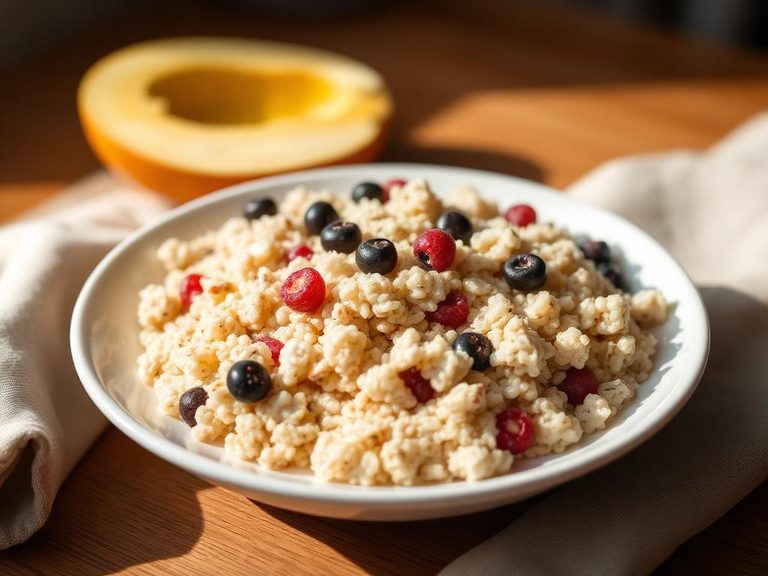
This dish refers to the common practice of mixing infant rice or oat cereal with breast milk, formula, or water to create a smooth, spoon-fed puree. It is a foundational first food for babies around 4-6 months old, designed to introduce solid textures and provide supplemental nutrition. Originating as a staple in modern infant feeding practices globally, it is a simple, single-ingredient preparation.
🍽️ Nutrition at a glance
This dish is primarily a source of easily digestible carbohydrates for energy, with minimal protein and fat. When mixed with formula or breast milk, it becomes a more balanced source of key nutrients like iron, zinc, and B vitamins, with a typical serving providing roughly 50-80 calories.
Nutrition breakdown
| Calories | 65 kcal |
| Protein | 1.5 g |
| Carbs | 12 g |
| Fat | 1 g |
| Fiber | 0.5 g |
| Sugar | 0 g |
| Sodium | 30 mg |
| Iron | 4 mg |
| Zinc | 1.5 mg |
| Calcium | 60 mg |
| Potassium | 50 mg |
| Thiamin (B1) | 0.3 mg |
| Riboflavin (B2) | 0.3 mg |
| Niacin (B3) | 2 mg |
| Folate | 50 mcg |
Per 1 cup (about 120 g) prepared cereal mixed with formula · estimated, varies by recipe
💡 What's interesting
Nutritionally, these cereals are often fortified with iron, a critical nutrient for infants as their natural stores deplete around 6 months. Culturally, the transition to these cereals marks a significant developmental milestone in many societies, symbolizing the beginning of a child's journey into the world of solid foods.
🍽️ Related dishes
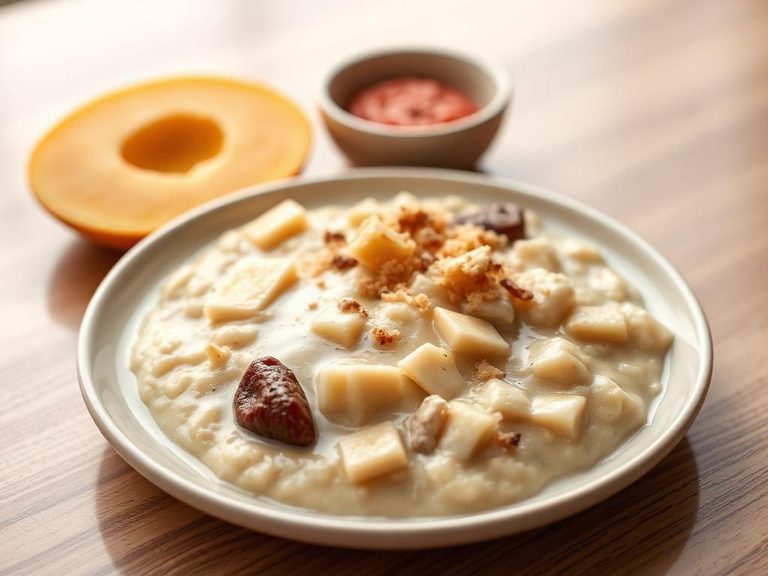 Used as a liquid base for infant oatmeal or cereal
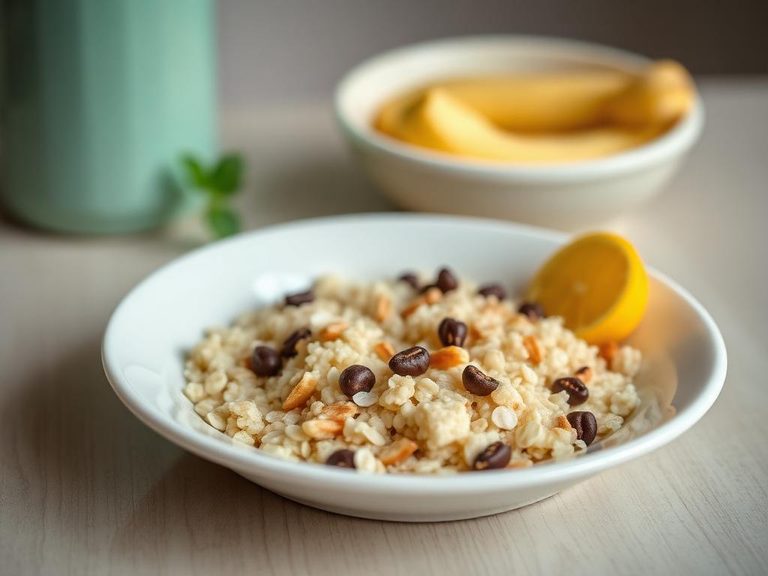 Mixed into infant oatmeal or cereal
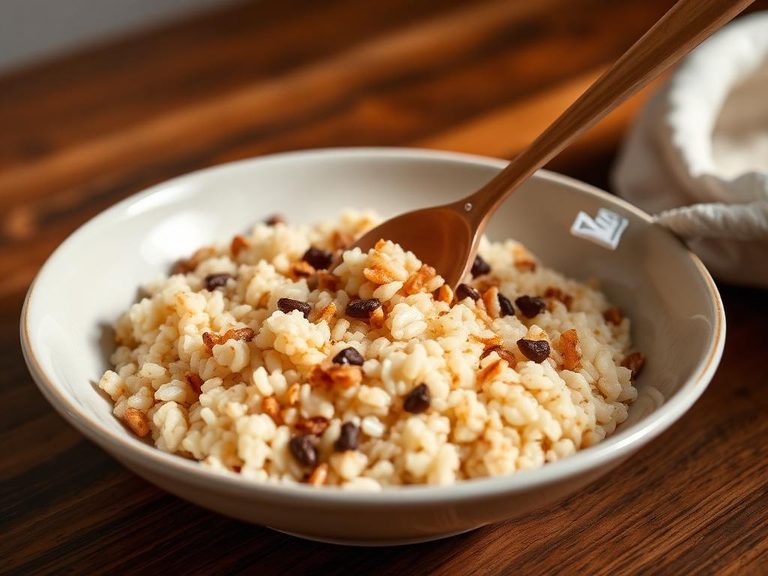 Stirred into warm rice cereal or oatmeal
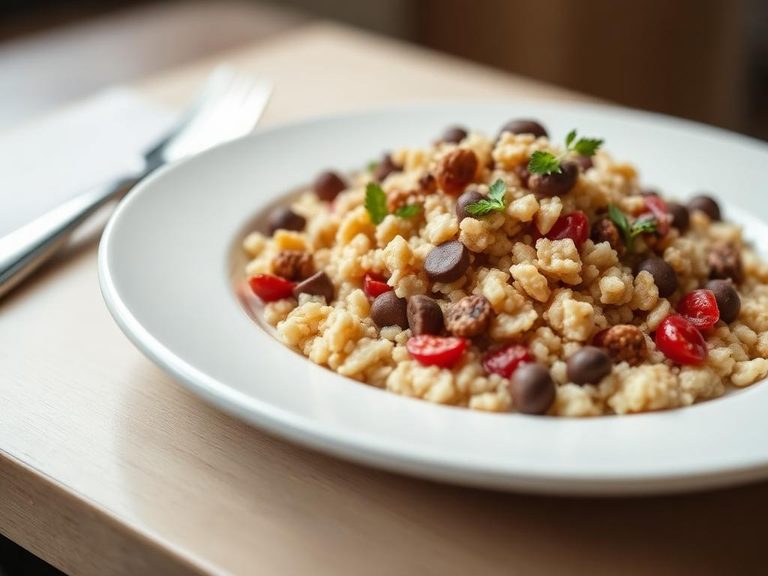 Mixed into rice cereal or oatmeal
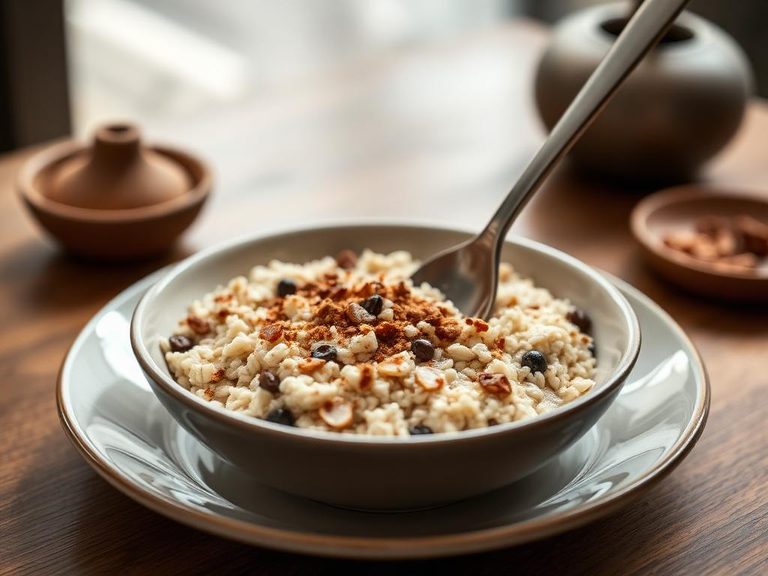 Stirred into oatmeal or rice cereal
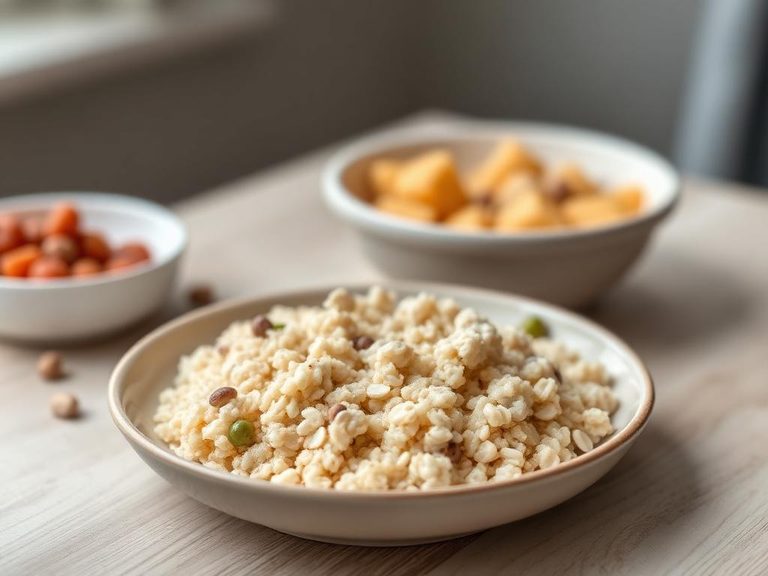 Mixed into baby oatmeal or rice cereal
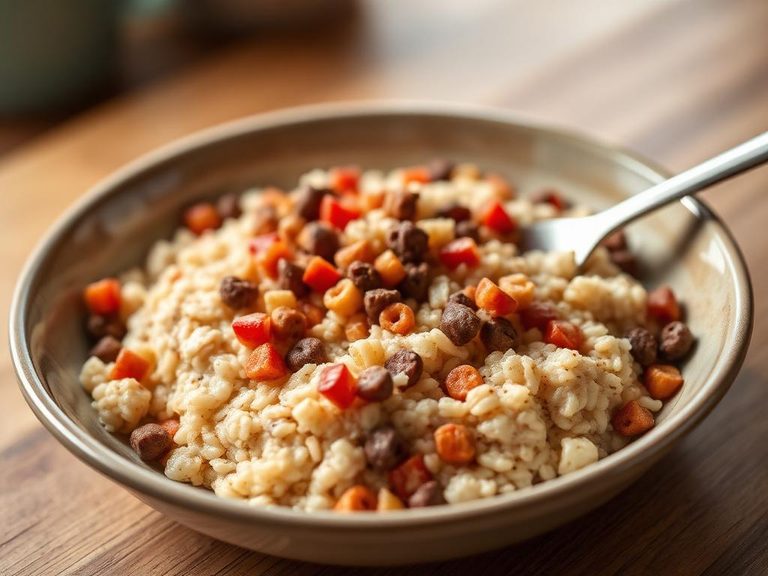 Stirred into plain oatmeal or rice cereal.
 Mixed into plain rice cereal or oatmeal