Licor de Nance
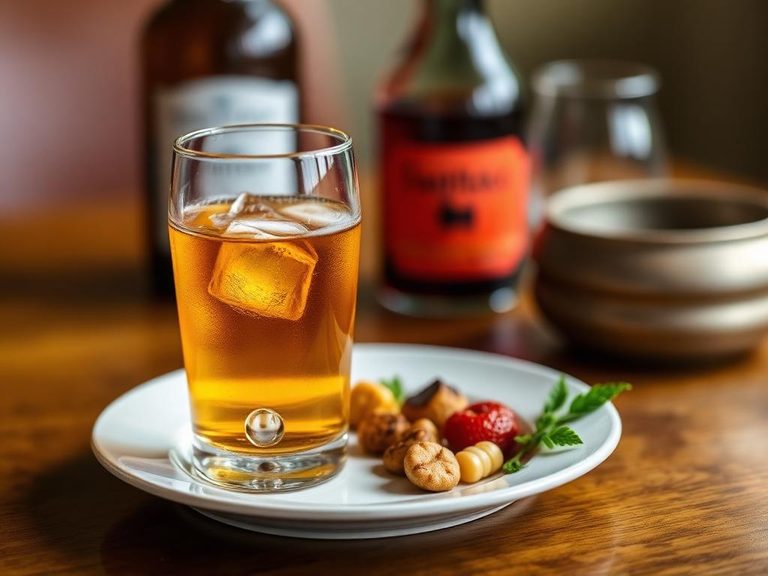
Licor de Nance is a traditional Central American liqueur made from the small, aromatic, and slightly tart nance fruit (Byrsonima crassifolia). It is typically prepared by macerating the fruit in sugar and alcohol, often rum, resulting in a sweet, fruity, and potent beverage. It is especially popular in countries like Costa Rica, Nicaragua, and Panama.
🍽️ Nutrition at a glance
As a liqueur, it is primarily a source of simple carbohydrates from added sugar and alcohol, with negligible protein or fat. A standard serving provides a quick energy boost from its high sugar and calorie content, but offers minimal essential vitamins or minerals.
Nutrition breakdown
| Calories | 110 kcal |
| Protein | 0 g |
| Carbs | 14 g |
| Fat | 0 g |
| Fiber | 0 g |
| Sugar | 13 g |
| Sodium | 2 mg |
| Vitamin C | 1 mg |
| Potassium | 15 mg |
| Magnesium | 2 mg |
| Iron | 0.1 mg |
| Calcium | 3 mg |
| Phosphorus | 5 mg |
| Niacin (B3) | 0.2 mg |
| Riboflavin (B2) | 0.01 mg |
Per 1 shot (45 g) · estimated, varies by recipe
💡 What's interesting
Culturally, Licor de Nance is a beloved homemade spirit often shared during festivals and family gatherings, reflecting a tradition of fruit-based infusions. Nutritionally, while it provides quick energy, the nance fruit itself is known in its fresh form for being a good source of vitamin C and antioxidants.