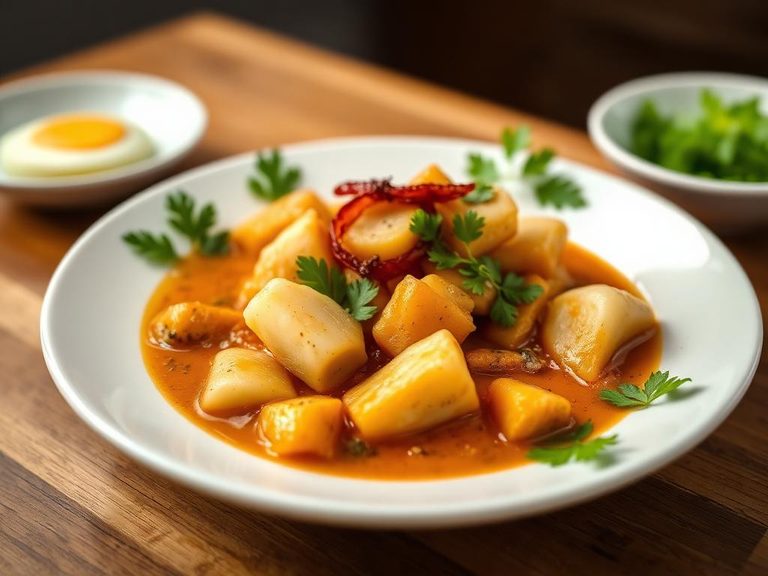
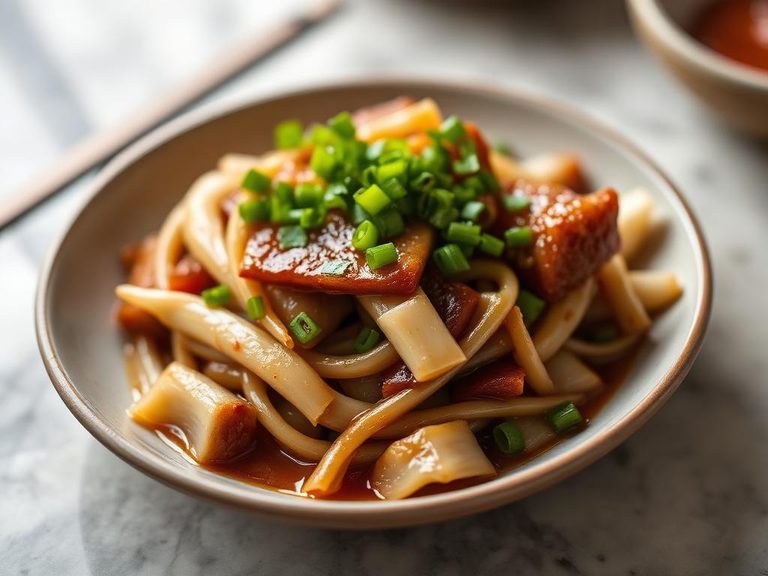
Korean Lotus Root Kimchi
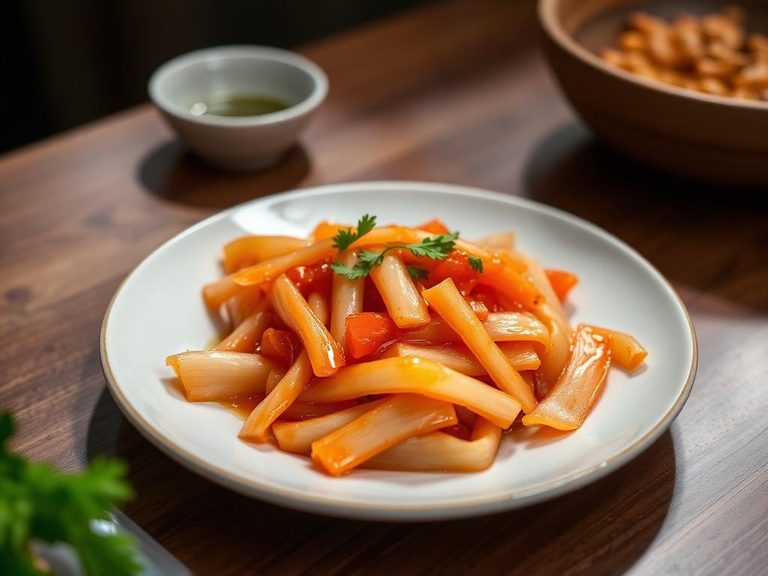
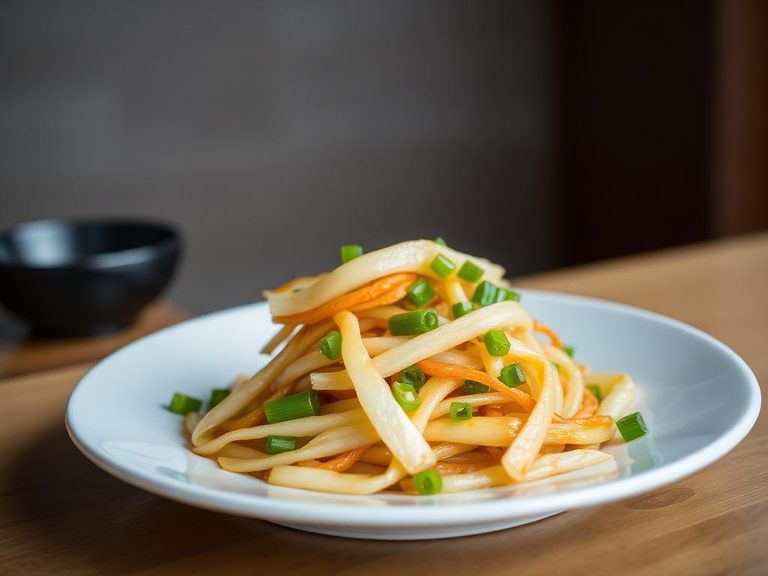
Korean Lotus Root Kimchi, known as Yeongeun Jangajji, is a type of Korean side dish (banchan) made from thinly sliced lotus root that is typically pickled or marinated in a savory, sweet, and sometimes spicy sauce. The primary ingredient is the lotus root, which is often combined with soy sauce, vinegar, sugar, and sometimes chili flakes or garlic for flavor. This dish is a popular accompaniment in Korean cuisine, especially during meals that require a crunchy, refreshing contrast.
🍽️ Nutrition at a glance
Yeongeun Jangajji is generally low in fat and protein but can be moderate in carbohydrates due to the natural starches in lotus root and any added sugars in the marinade. It provides dietary fiber, vitamin C, and minerals like potassium and manganese, with a rough calorie estimate of around 50-80 calories per small serving, depending on the specific recipe and portion size.
Nutrition breakdown
| Calories | 45 kcal |
| Protein | 1.5 g |
| Carbs | 9 g |
| Fat | 0.5 g |
| Fiber | 2 g |
| Sugar | 3 g |
| Sodium | 580 mg |
| Potassium | 280 mg |
| Vitamin C | 8 mg |
| Iron | 0.8 mg |
| Calcium | 35 mg |
| Magnesium | 20 mg |
| Manganese | 0.3 mg |
| Vitamin B6 | 0.1 mg |
| Folate | 15 µg |
Per 1 cup (150 g) · estimated, varies by recipe
💡 What's interesting
Culturally, this dish showcases the Korean tradition of preserving and enhancing vegetables through pickling, making it a seasonal staple that can be enjoyed year-round. Nutritionally, lotus root is unique for its high fiber content and potential digestive benefits, which are retained even in this prepared form, offering a crunchy texture that adds variety to a balanced diet.