

Kanji
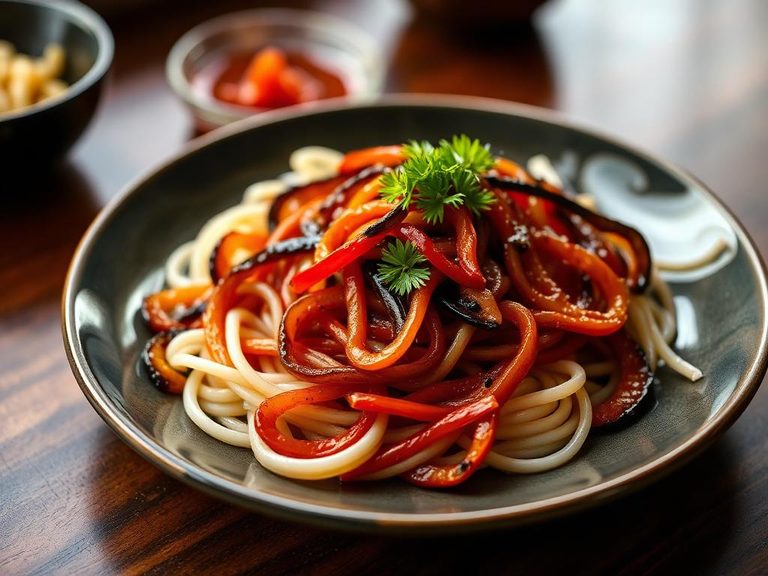
Kanji is a traditional fermented beverage and condiment from North India, particularly associated with the festival of Holi. It is typically made by fermenting black carrots (or sometimes beets) with water, mustard powder, and spices like black salt and chili, resulting in a tangy, probiotic-rich drink.
🍽️ Nutrition at a glance
Kanji is low in calories (roughly 30-50 kcal per cup) and fat, with minimal protein. It is a good source of natural probiotics from fermentation, and provides antioxidants and some vitamins from the carrots.
Nutrition breakdown
| Calories | 110 kcal |
| Protein | 4.5 g |
| Carbs | 20 g |
| Fat | 1.5 g |
| Fiber | 2.5 g |
| Sugar | 1 g |
| Sodium | 480 mg |
| Potassium | 350 mg |
| Iron | 1.2 mg |
| Magnesium | 45 mg |
| Phosphorus | 120 mg |
| Zinc | 0.8 mg |
| Niacin (B3) | 1.5 mg |
| Folate | 30 mcg |
| Manganese | 0.4 mg |
Per 1 cup (240 g) · estimated, varies by recipe
💡 What's interesting
Culturally, Kanji is deeply tied to Holi celebrations, symbolizing the transition from winter to spring. Nutritionally, its fermentation process creates beneficial gut bacteria, making it a traditional probiotic drink long before modern health trends.
🍽️ Related dishes
AI estimate may be inaccurate · Terms