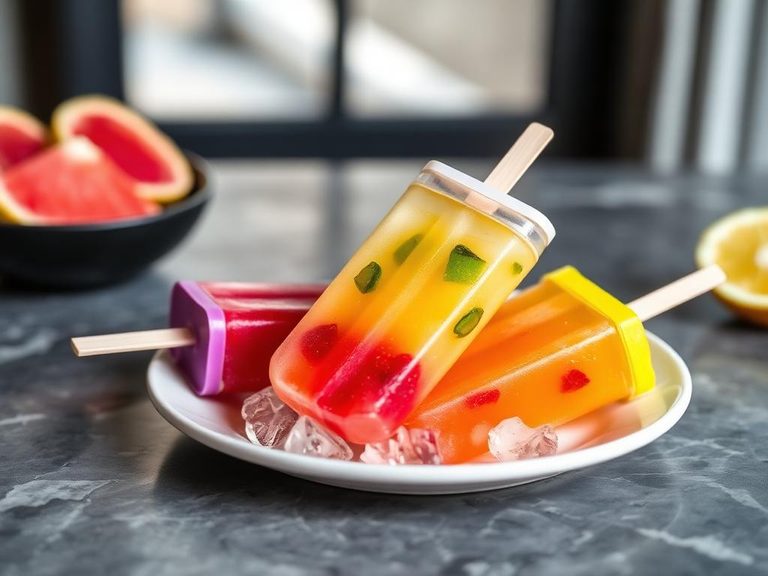
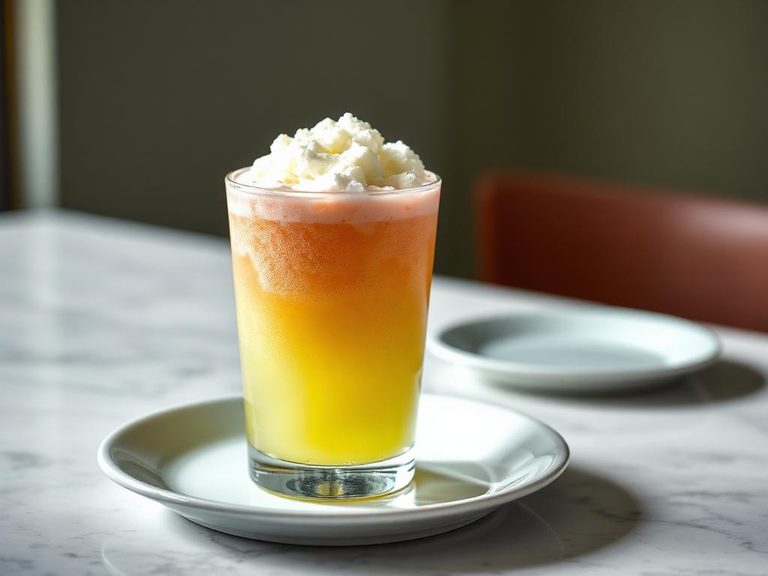
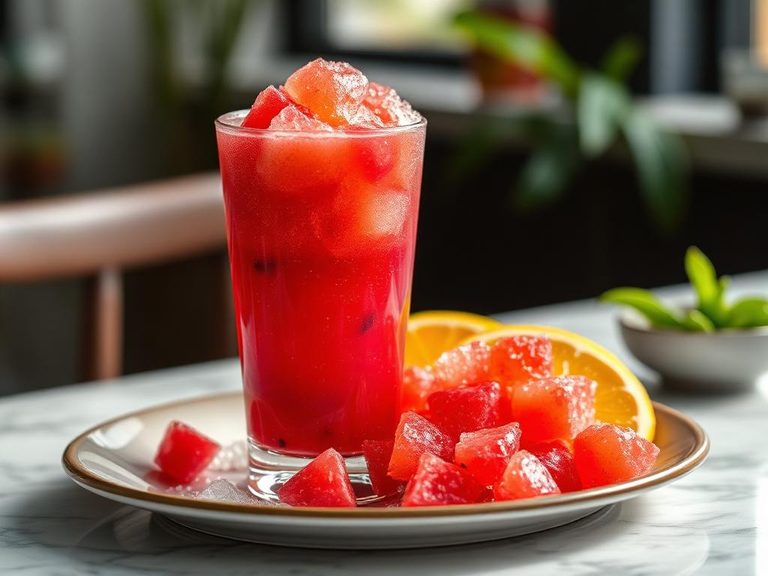
Energy drink smoothie
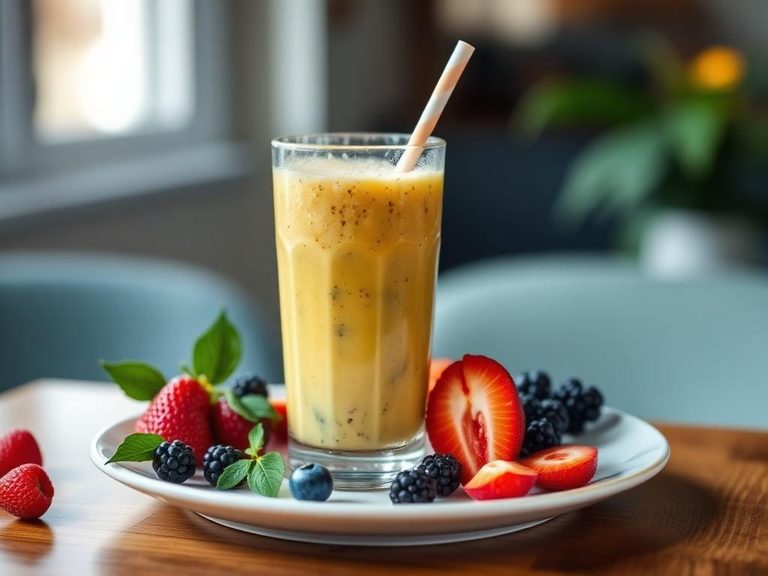
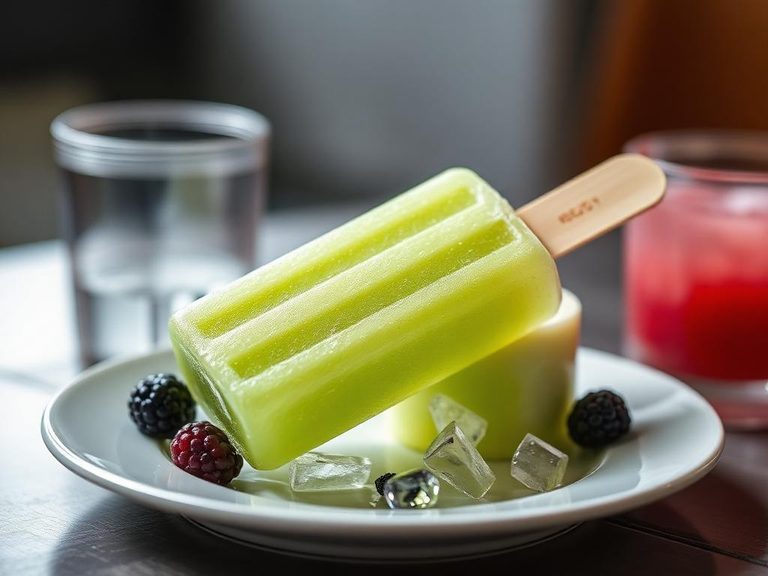
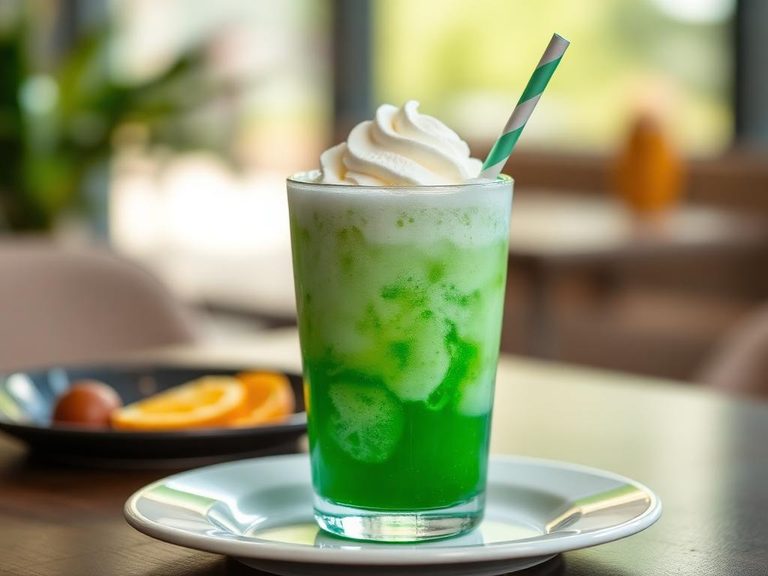
An energy drink smoothie is a modern, blended beverage that combines the functional boost of an energy drink with the whole-food nutrition of fruit and protein powder. Its typical ingredients include a base of energy drink (like Red Bull or a similar brand), frozen fruits such as bananas or berries, a scoop of protein powder, and often ice or yogurt. This fusion drink is a product of contemporary fitness and convenience culture, popular in gyms, health cafes, and home kitchens worldwide.
🍽️ Nutrition at a glance
This smoothie is generally high in carbohydrates and sugar from the energy drink and fruit, while also providing a significant protein boost from the powder. It delivers a quick energy spike along with key nutrients like potassium, vitamin C, and B vitamins, with a typical serving ranging from 300 to 500 calories.
Nutrition breakdown
| Calories | 380 kcal |
| Protein | 25 g |
| Carbs | 60 g |
| Fat | 5 g |
| Fiber | 4 g |
| Sugar | 45 g |
| Sodium | 250 mg |
| Potassium | 450 mg |
| Vitamin C | 30 mg |
| Vitamin B6 | 0.5 mg |
| Vitamin B12 | 1.5 mcg |
| Niacin (B3) | 8 mg |
| Calcium | 150 mg |
| Magnesium | 40 mg |
| Phosphorus | 200 mg |
Per 1 large smoothie (450 g) · estimated, varies by recipe
💡 What's interesting
Culturally, it represents a hybrid of the sports supplement and whole-food movements, often consumed as a pre-workout boost or a post-workout recovery drink. Nutritionally, it's unique for pairing the rapid, stimulant-driven energy from caffeine and sugar with the sustained energy and muscle support from protein and fruit nutrients.