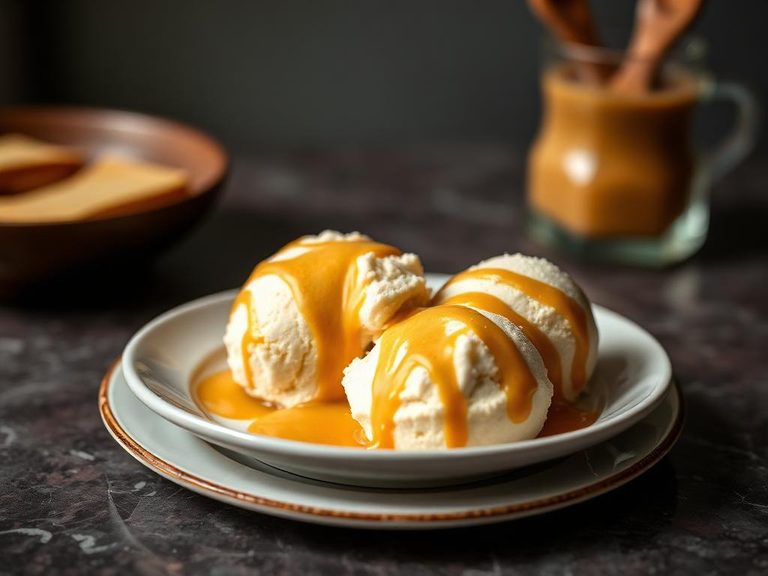
Dulce de leche flan
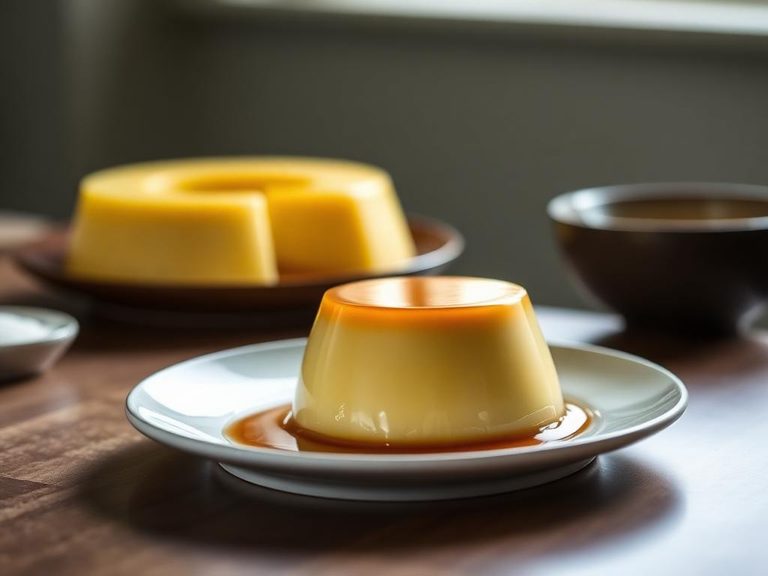
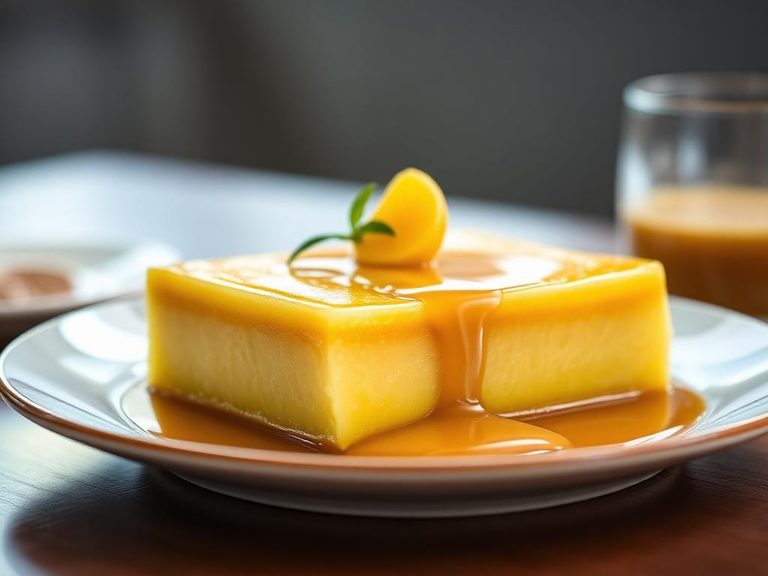
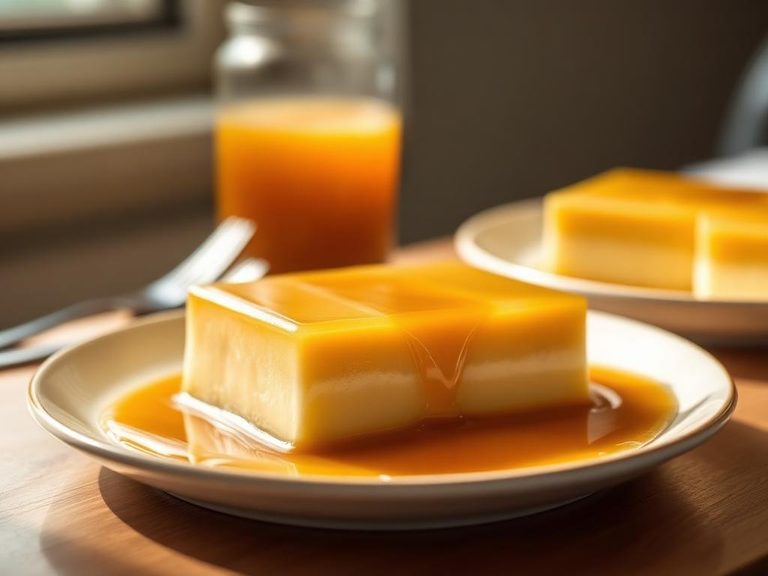
Dulce de leche flan is a rich, creamy custard dessert that combines the classic Spanish and Latin American flan with the caramelized milk flavor of dulce de leche. It is typically made with eggs, condensed milk, evaporated milk, and a generous swirl or base of dulce de leche, then baked in a water bath until set and inverted to serve. This beloved treat is a staple in many Latin American countries, particularly Argentina, Mexico, and Colombia.
🍽️ Nutrition at a glance
This dessert is very high in carbohydrates and fat due to the sugar and dairy content, with minimal protein. A single serving (about 1/6 of a standard flan) can provide around 300-400 calories, along with calcium and some vitamins from the eggs and milk.
Nutrition breakdown
| Calories | 280 kcal |
| Protein | 5 g |
| Carbs | 38 g |
| Fat | 12 g |
| Fiber | 0 g |
| Sugar | 32 g |
| Sodium | 90 mg |
| Calcium | 120 mg |
| Phosphorus | 100 mg |
| Vitamin A | 150 µg RAE |
| Vitamin B2 (Riboflavin) | 0.2 mg |
| Vitamin B12 | 0.4 µg |
| Potassium | 180 mg |
| Magnesium | 15 mg |
| Selenium | 6 µg |
Per 1 piece (120 g) · estimated, varies by recipe
💡 What's interesting
Culturally, flan represents the fusion of Roman baking techniques with New World ingredients like caramelized milk, making it a symbol of culinary exchange. Nutritionally, its high calorie density comes from slow-cooked sugars and fats, which historically provided valuable energy in diets where such treats were reserved for special occasions.