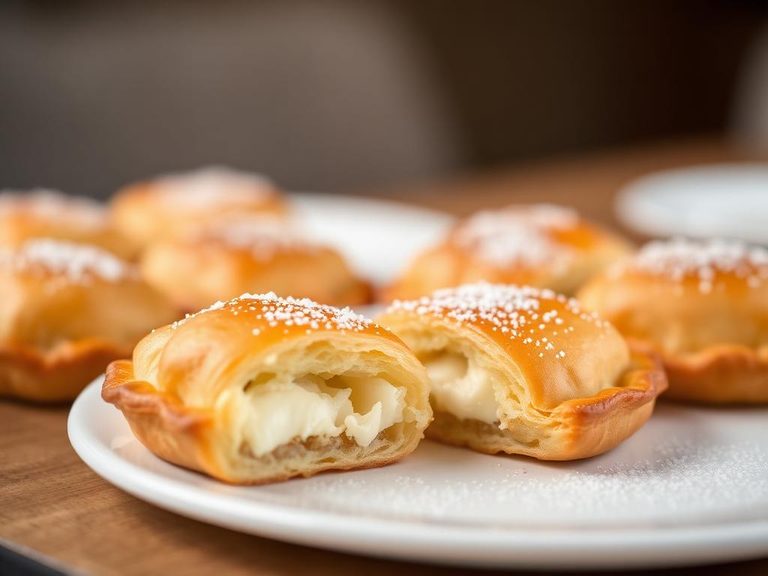
Custard & Pastry Cream

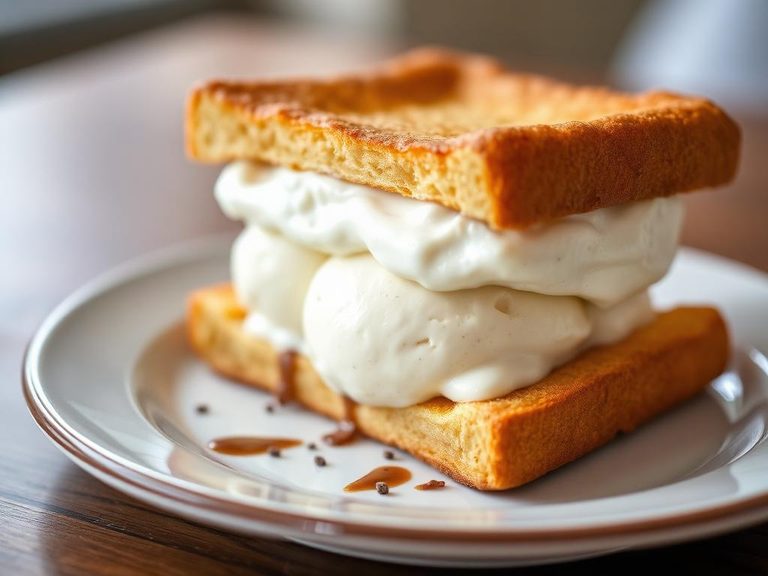
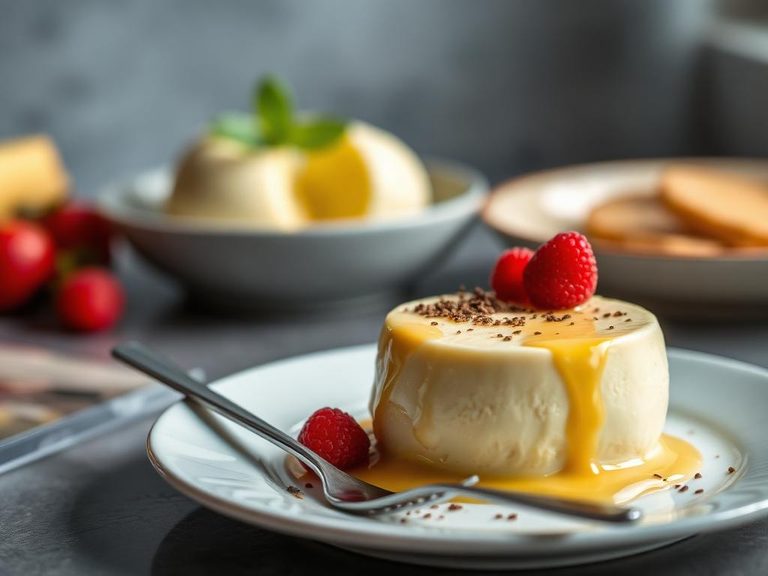
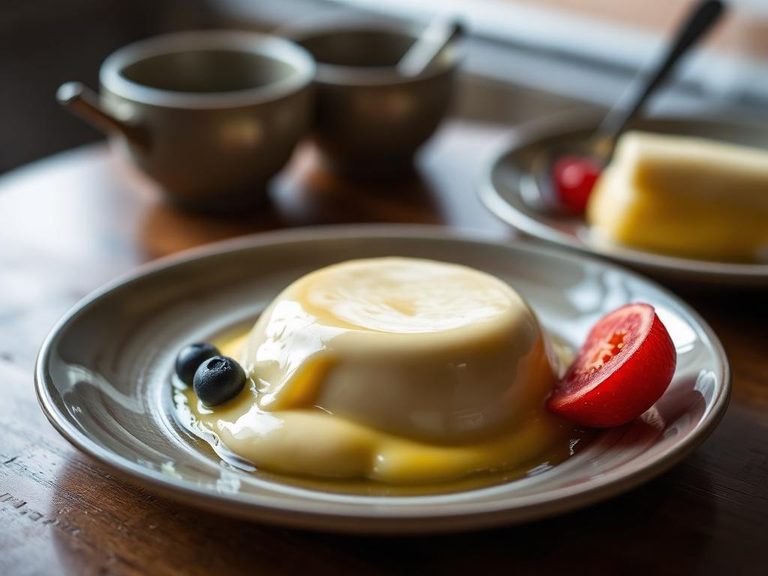
Custard and pastry cream are rich, creamy desserts made by cooking milk or cream with sugar, eggs, and a starch like cornstarch or flour. While custard can be baked or set, pastry cream (crème pâtissière) is a thicker, stovetop-cooked version often used as a filling in pastries. This classic preparation has roots in European, particularly French, culinary traditions.
🍽️ Nutrition at a glance
This dish is high in carbohydrates and fat, primarily from sugar, milk, and egg yolks. A typical serving provides a good amount of calcium and vitamin D, with a calorie range of approximately 200-300 kcal.
Nutrition breakdown
| Calories | 220 kcal |
| Protein | 5 g |
| Carbs | 28 g |
| Fat | 10 g |
| Fiber | 0 g |
| Sugar | 22 g |
| Sodium | 80 mg |
| Calcium | 120 mg |
| Vitamin D | 1.5 mcg |
| Phosphorus | 100 mg |
| Vitamin A | 80 mcg |
| Riboflavin (B2) | 0.2 mg |
| Vitamin B12 | 0.4 mcg |
| Selenium | 4 mcg |
| Choline | 30 mg |
Per 1/2 cup (120 g) · estimated, varies by recipe
💡 What's interesting
Custard and pastry cream are foundational elements in pastry arts, serving as the base for countless desserts from éclairs to fruit tarts. Nutritionally, they are a dense source of energy and fat-soluble vitamins, making them a traditional 'comfort food' in many cultures.