Cornish Pasty
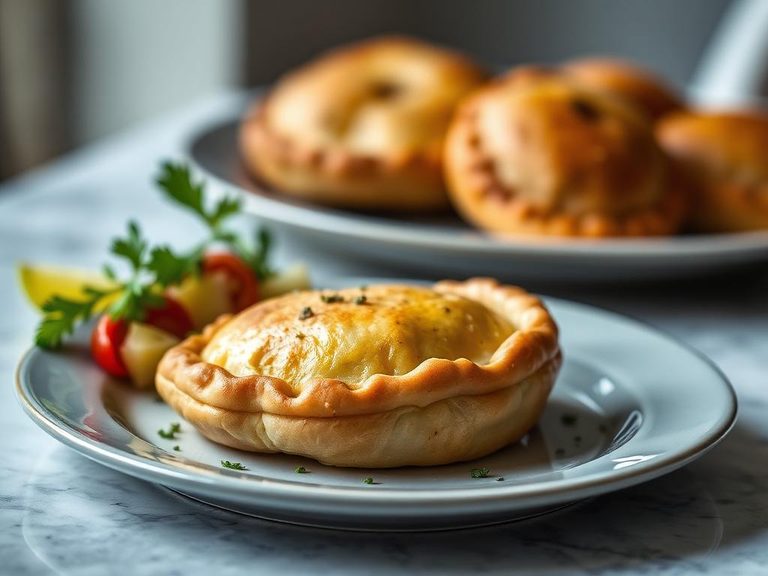
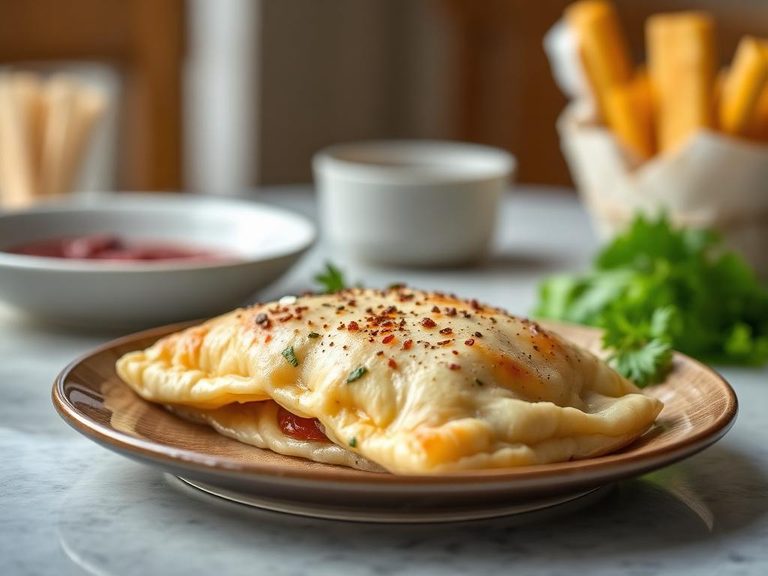
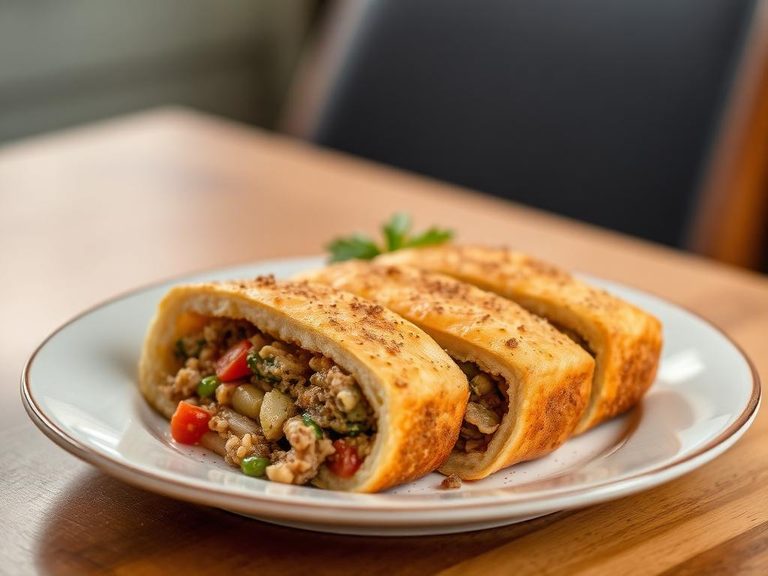
The Cornish Pasty is a savory, handheld pastry from Cornwall, England, traditionally filled with diced beef, potato, swede (rutabaga), and onion, all encased in a sturdy, crimped pastry shell. It was originally designed as a convenient, hearty meal for Cornish tin miners, who could hold it by the crimped edge without contaminating the food with dirty hands.
🍽️ Nutrition at a glance
This is a calorie-dense meal, typically ranging from 500-800 calories per serving, with a balanced but substantial profile of carbohydrates from the pastry and vegetables, protein from the beef, and a moderate amount of fat. It provides key nutrients like iron from the meat, potassium from the potatoes, and dietary fiber from the swede.
Nutrition breakdown
| Calories | 500 kcal |
| Protein | 15 g |
| Carbs | 50 g |
| Fat | 25 g |
| Fiber | 3 g |
| Sugar | 3 g |
| Sodium | 800 mg |
| Iron | 3 mg |
| Potassium | 400 mg |
| Vitamin A | 150 mcg |
| Vitamin C | 10 mg |
| Calcium | 50 mg |
| Thiamin (B1) | 0.3 mg |
| Niacin (B3) | 4 mg |
| Phosphorus | 150 mg |
Per 1 pasty (200 g) · estimated, varies by recipe
💡 What's interesting
The Cornish Pasty holds a Protected Geographical Indication (PGI) status in the EU, meaning only pasties made in Cornwall to a traditional recipe can be legally called 'Cornish Pasties.' Its unique, thick crimp along the side was historically not just a seal but also a handle that miners would discard, as it was often covered in arsenic dust from their hands.