Commercial Kettle Corn
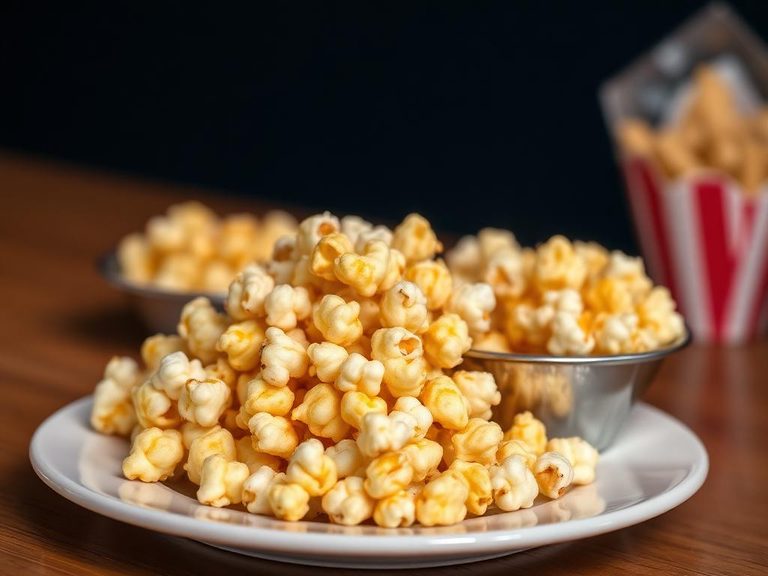
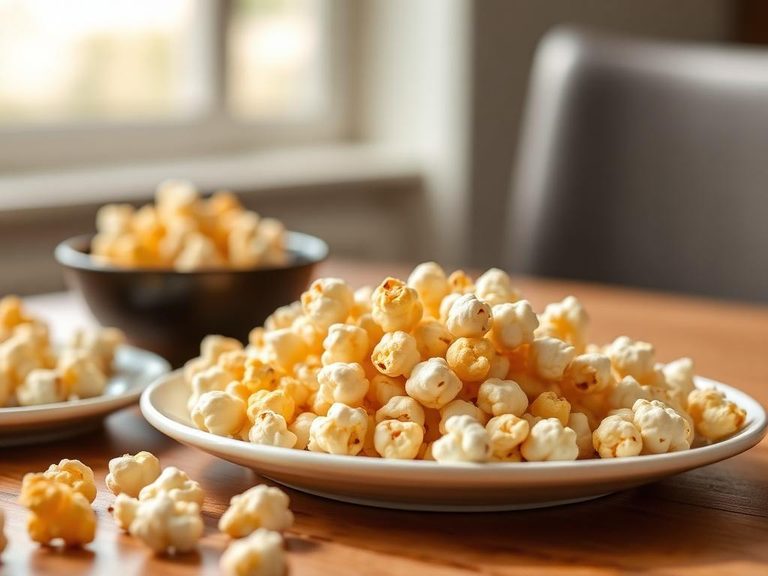
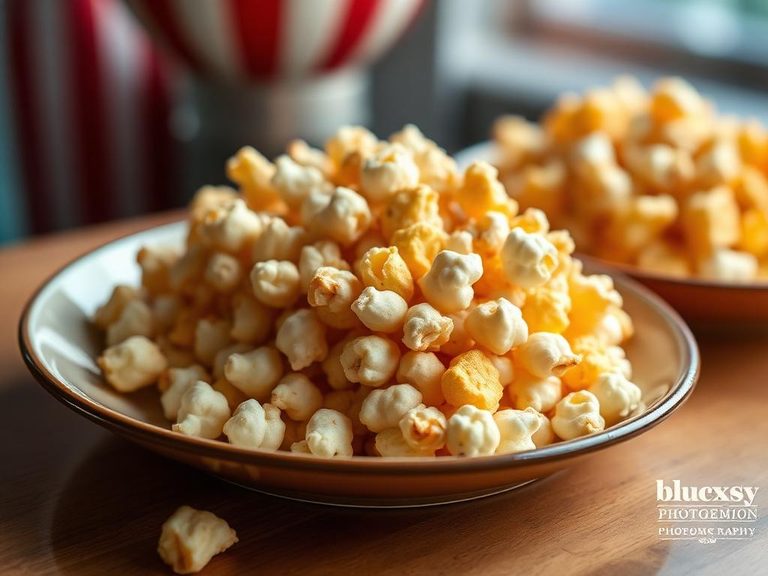
Commercial kettle corn is a sweet and salty popcorn snack that originated in the United States, often associated with fairs and carnivals. It is made by popping corn kernels in a large kettle with oil, sugar, and salt, creating a light, crispy texture with a caramelized coating. The dish has become a popular mass-produced snack available in stores and at events across North America.
🍽️ Nutrition at a glance
Commercial kettle corn is high in carbohydrates from the corn and added sugar, with a moderate amount of fat from the oil used in popping. A typical serving provides a quick energy boost and small amounts of fiber and minerals like iron, but it is relatively low in protein and essential vitamins.
Nutrition breakdown
| Calories | 130 kcal |
| Protein | 2 g |
| Carbs | 18 g |
| Fat | 6 g |
| Fiber | 2 g |
| Sugar | 5 g |
| Sodium | 120 mg |
| Iron | 1.5 mg |
| Magnesium | 30 mg |
| Phosphorus | 45 mg |
| Zinc | 0.5 mg |
| Thiamin (B1) | 0.1 mg |
| Folate | 10 mcg |
| Potassium | 80 mg |
| Manganese | 0.3 mg |
Per 1 cup (30 g) · estimated, varies by recipe
💡 What's interesting
Kettle corn's unique sweet-salty flavor profile has made it a cultural staple at American fairs and sporting events, symbolizing casual indulgence. Nutritionally, it is often perceived as a 'lighter' snack compared to buttered popcorn due to its thinner sugar coating, though it still contains added sugars and sodium.