Cocktail or mocktail garnish
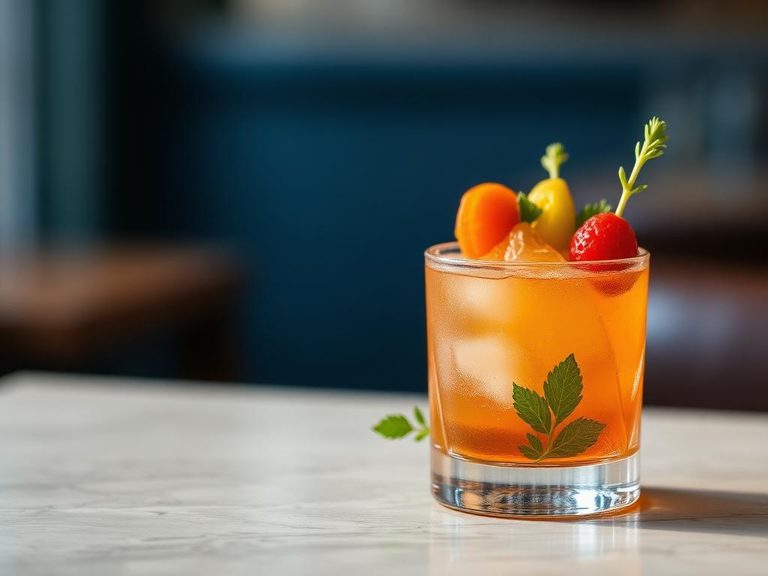
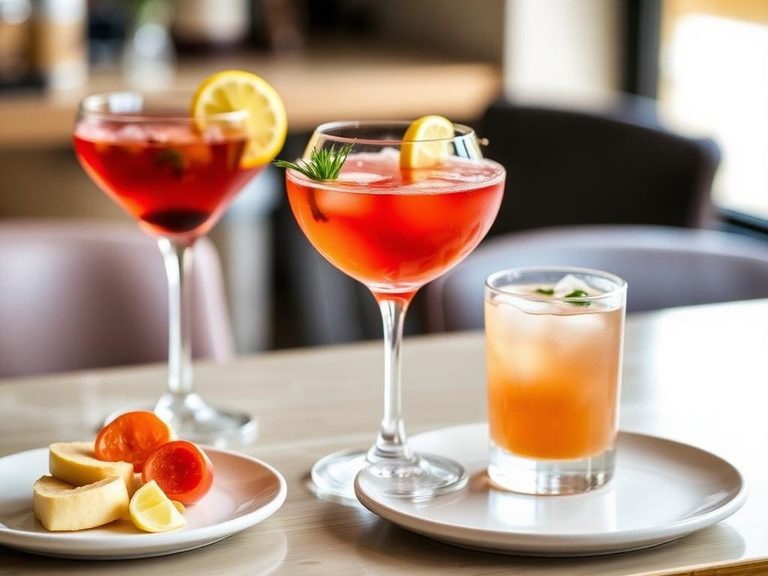
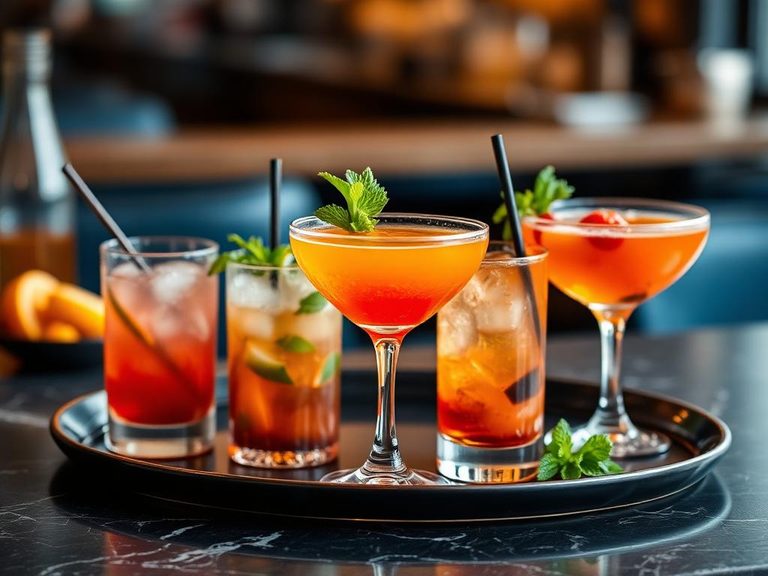
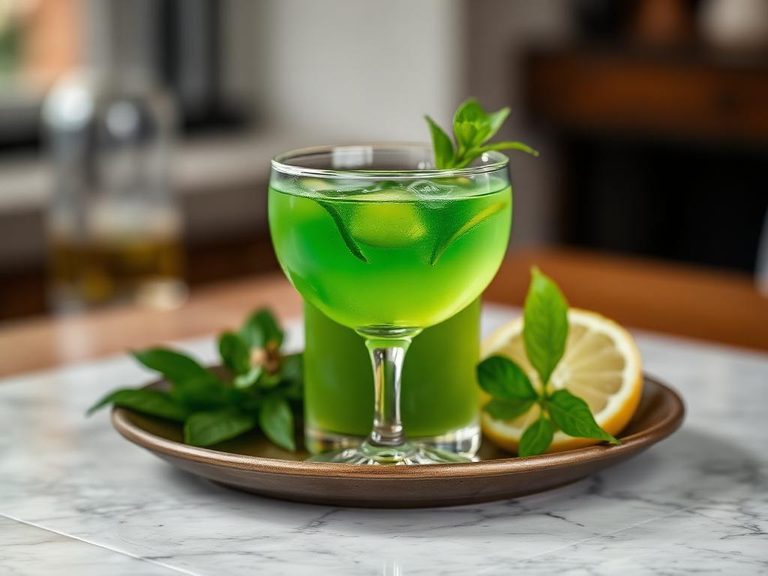
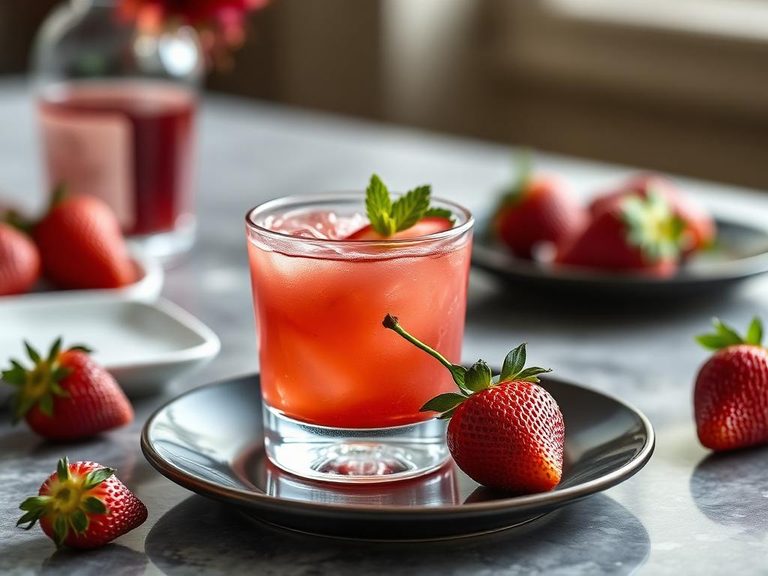
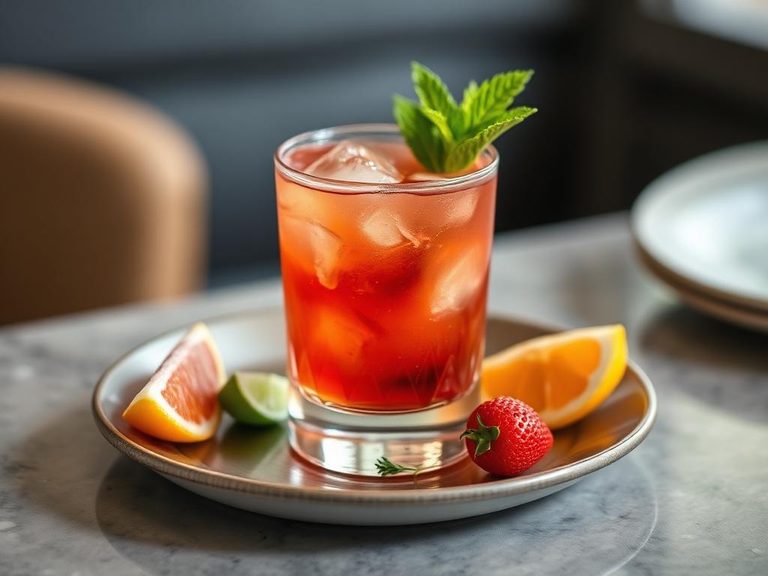
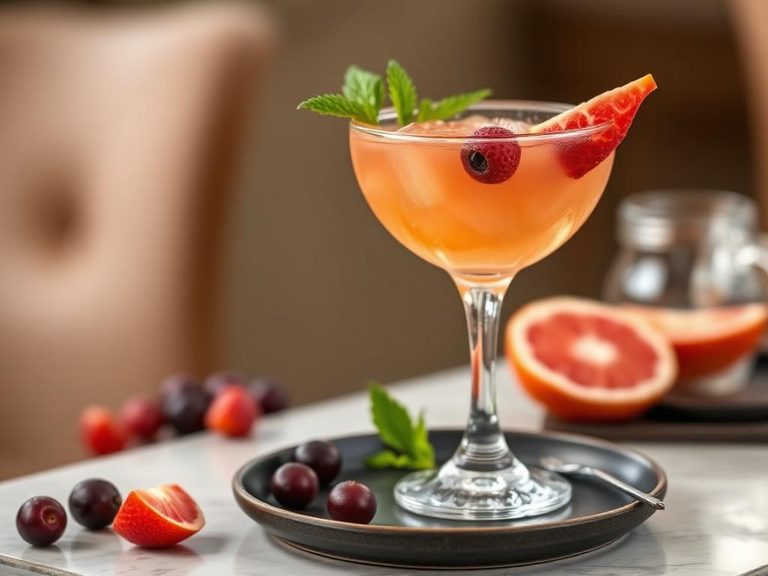
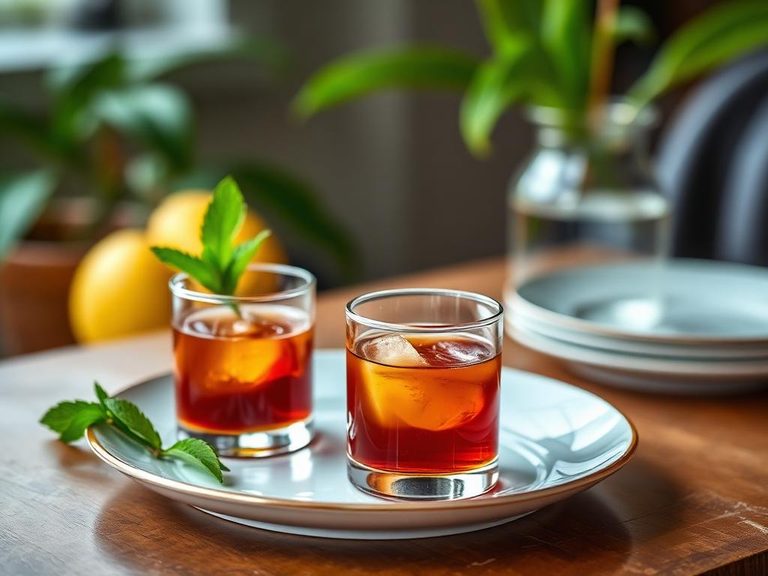
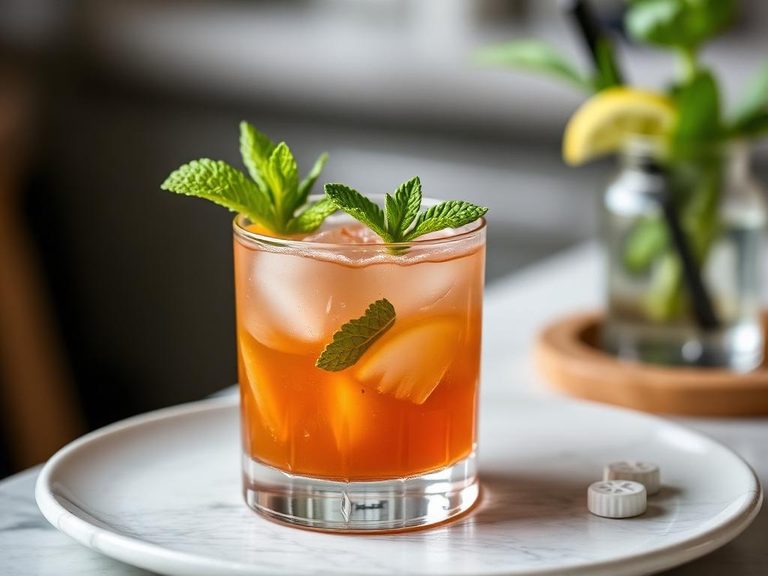
A cocktail or mocktail garnish is the decorative and often edible element added to a drink, such as a citrus twist, cherry, or herb sprig, to enhance its visual appeal and sometimes its flavor. Common ingredients include fruits, herbs, and edible flowers, and this practice is a staple in bar culture worldwide, originating from the classic cocktail era of the 19th century. It serves both aesthetic and aromatic purposes, making the drinking experience more engaging.
🍽️ Nutrition at a glance
Garnishes are typically very low in calories, carbs, fat, and protein, contributing negligible nutritional value—often under 10 calories per serving. They may provide trace vitamins or antioxidants, like vitamin C from citrus or polyphenols from herbs, but their primary role is not nutritional.
Nutrition breakdown
| Calories | 5 kcal |
| Protein | 0.1 g |
| Carbs | 1.2 g |
| Fat | 0 g |
| Fiber | 0.3 g |
| Sugar | 0.5 g |
| Sodium | 1 mg |
| Vitamin C | 3 mg |
| Vitamin A | 20 IU |
| Potassium | 20 mg |
| Calcium | 5 mg |
| Iron | 0.1 mg |
| Magnesium | 2 mg |
| Folate | 3 µg |
| Vitamin K | 1 µg |
Per 1 garnish (approx. 15 g) · estimated, varies by recipe
💡 What's interesting
Culturally, garnishes reflect regional ingredients and mixology trends, from the tropical umbrellas in tiki drinks to the minimalist twists in modern craft cocktails. Nutritionally, they can subtly influence a drink's flavor profile and perceived freshness, making them a clever tool for enhancing sensory enjoyment without adding significant calories.