Chinese Sweet and Sour Shrimp
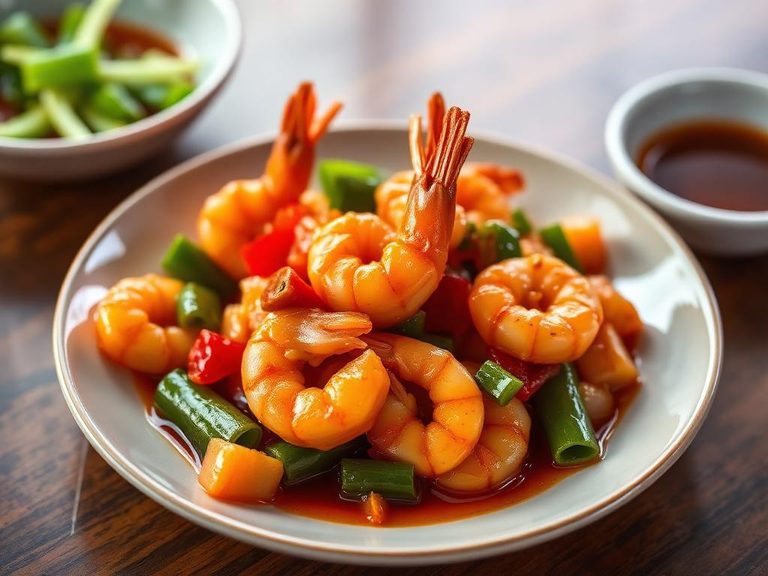
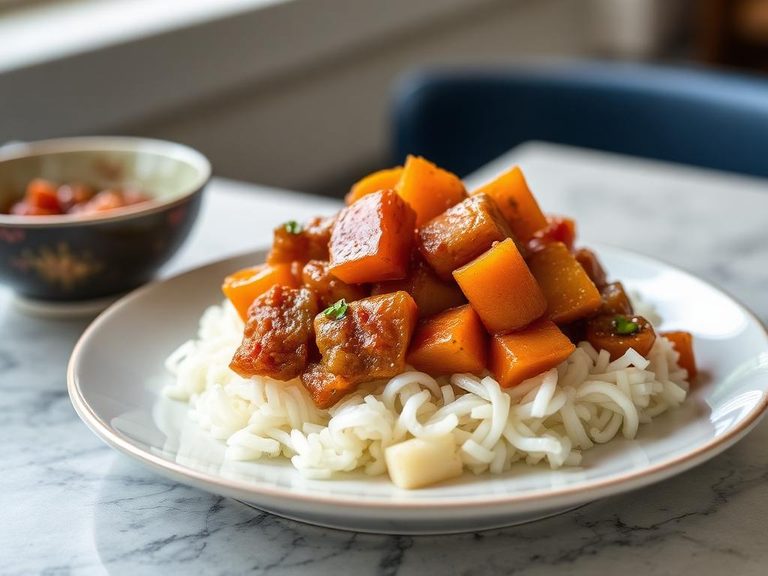
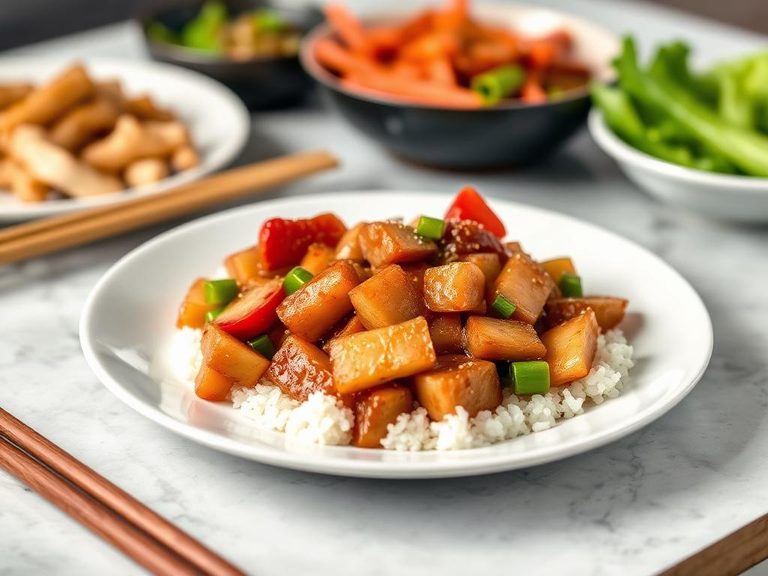
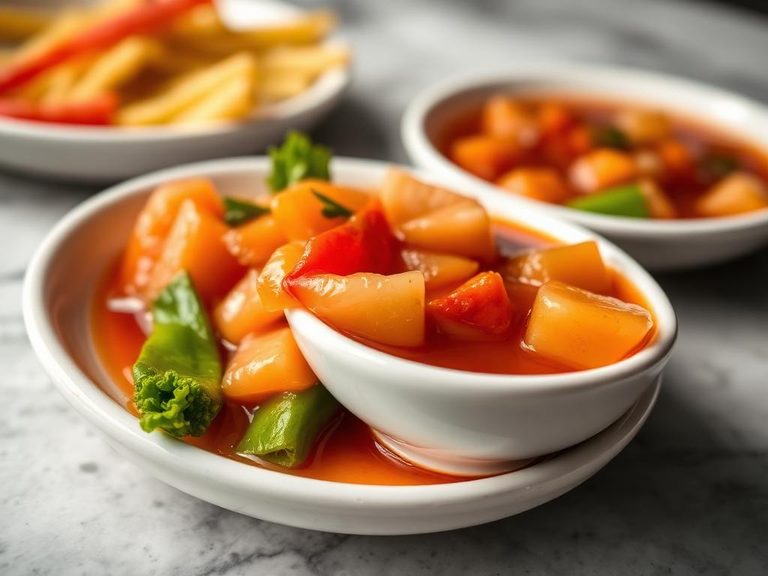
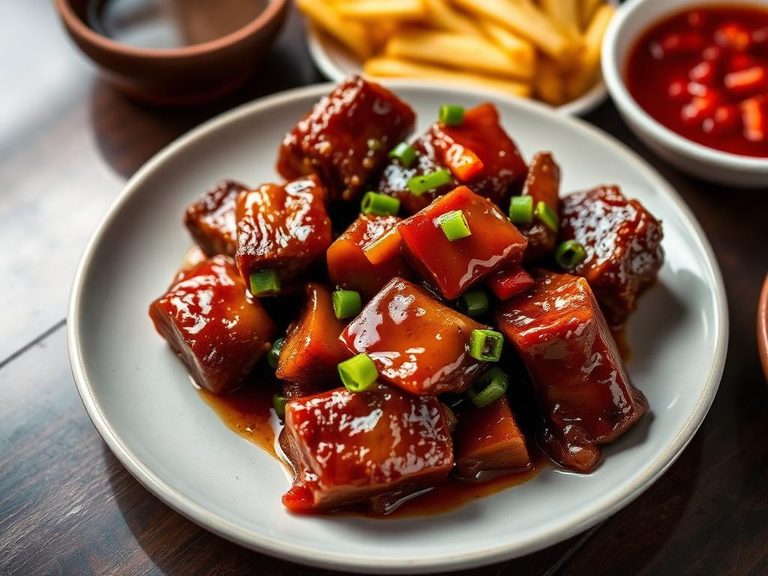
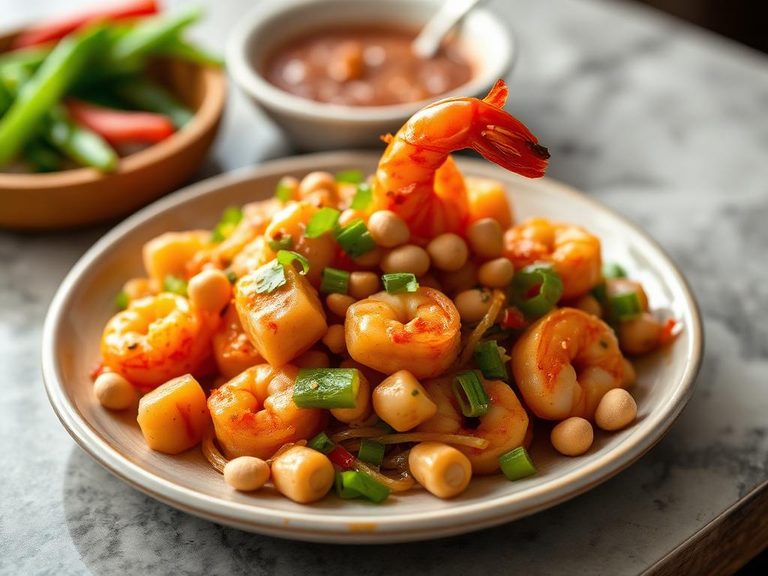
Chinese Sweet and Sour Shrimp (Guō Bāo Xiā) is a beloved dish from Northern Chinese cuisine, particularly popular in Shandong and Beijing. It features crispy, deep-fried shrimp coated in a vibrant, tangy-sweet sauce typically made with vinegar, sugar, and sometimes ketchup or plum sauce, often accompanied by colorful bell peppers and pineapple chunks.
🍽️ Nutrition at a glance
This dish is high in protein from the shrimp but also contains significant fat from the deep-frying process and carbohydrates from the sweet sauce and any batter used. A typical serving provides a good source of selenium and vitamin B12, with a rough calorie estimate of 400-500 per serving depending on portion size and sauce thickness.
Nutrition breakdown
| Calories | 350 kcal |
| Protein | 18 g |
| Carbs | 30 g |
| Fat | 16 g |
| Fiber | 2 g |
| Sugar | 12 g |
| Sodium | 680 mg |
| Vitamin C | 15 mg |
| Vitamin B12 | 1.2 µg |
| Iron | 2.5 mg |
| Calcium | 60 mg |
| Phosphorus | 200 mg |
| Potassium | 280 mg |
| Selenium | 32 µg |
| Zinc | 1.5 mg |
Per 1 serving (approx. 200 g) · estimated, varies by recipe
💡 What's interesting
The name 'Guō Bāo Xiā' literally translates to 'pot-wrapped shrimp,' referring to the technique of quickly tossing the fried shrimp in the hot wok with the sauce to coat them evenly, which is a hallmark of Chinese stir-fry cooking. Nutritionally, the dish balances the lean protein of shrimp with the quick energy from the sugar in the sauce, making it a popular celebratory dish during festivals like Chinese New Year for its auspicious red color symbolizing good fortune.