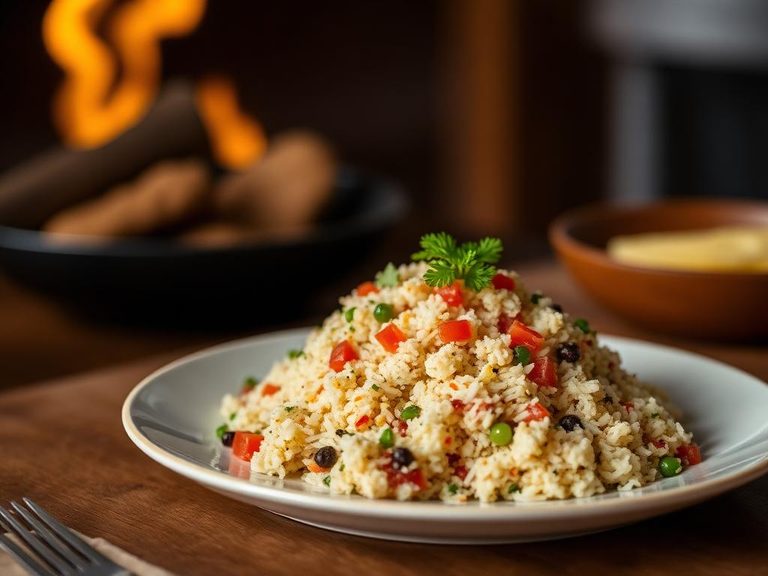
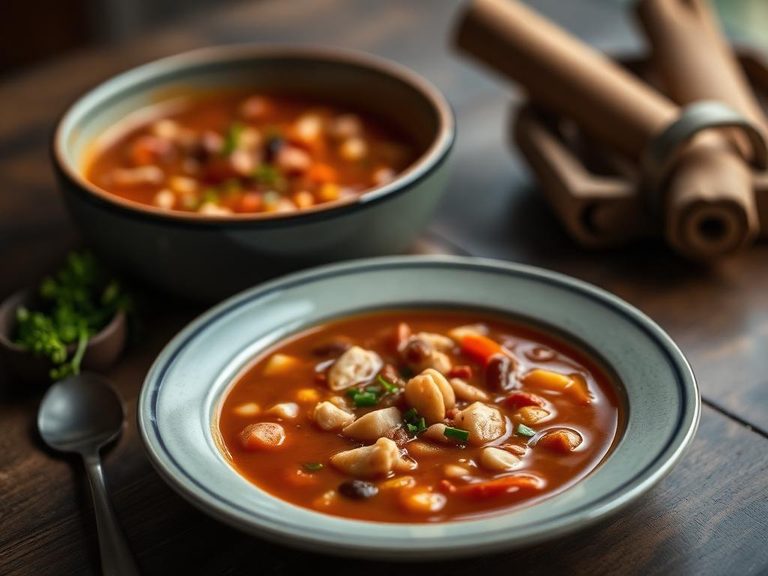
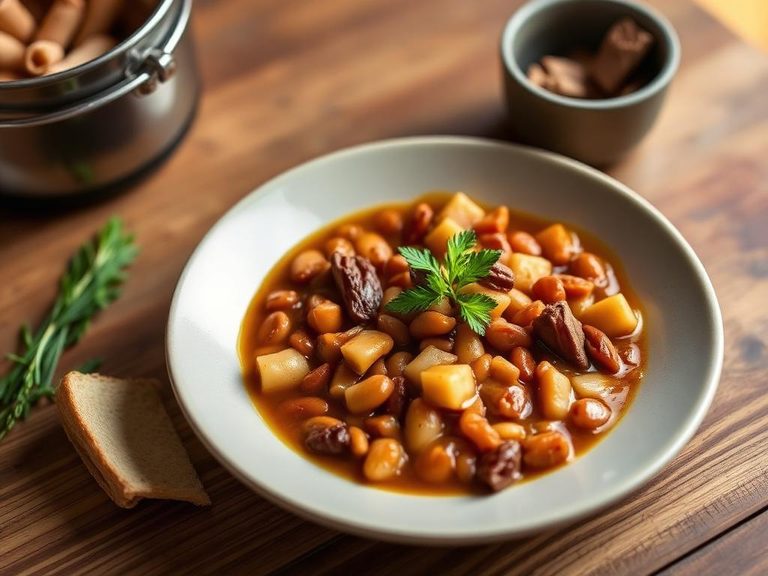
Campfire or Backpacking Meal
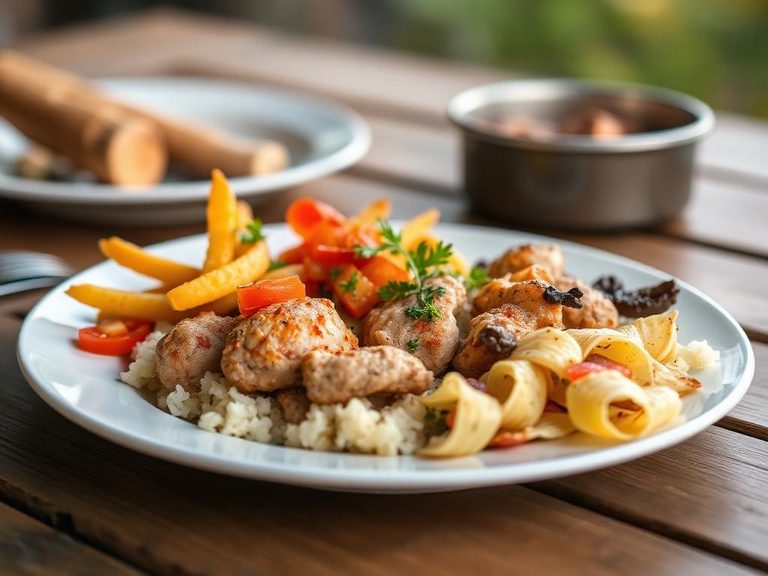
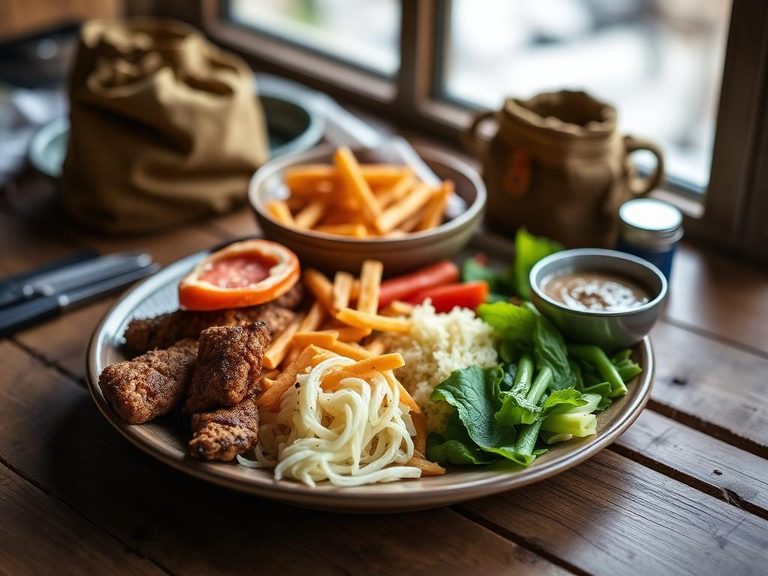
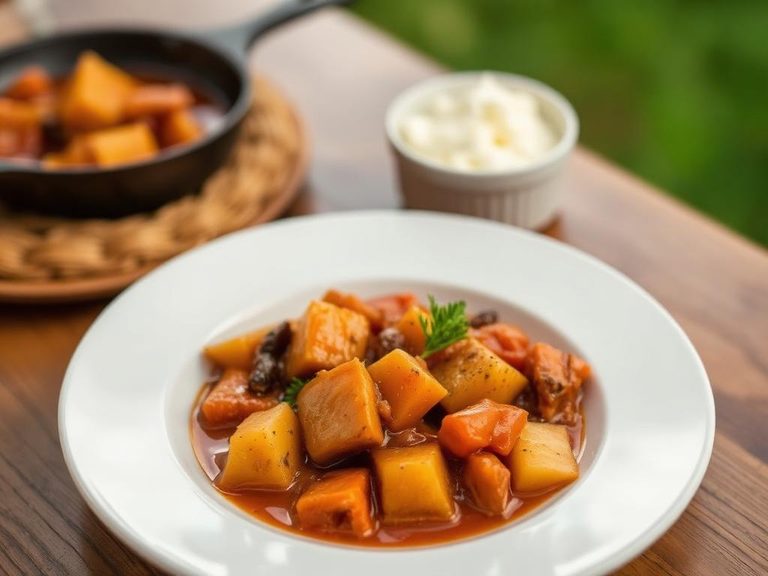
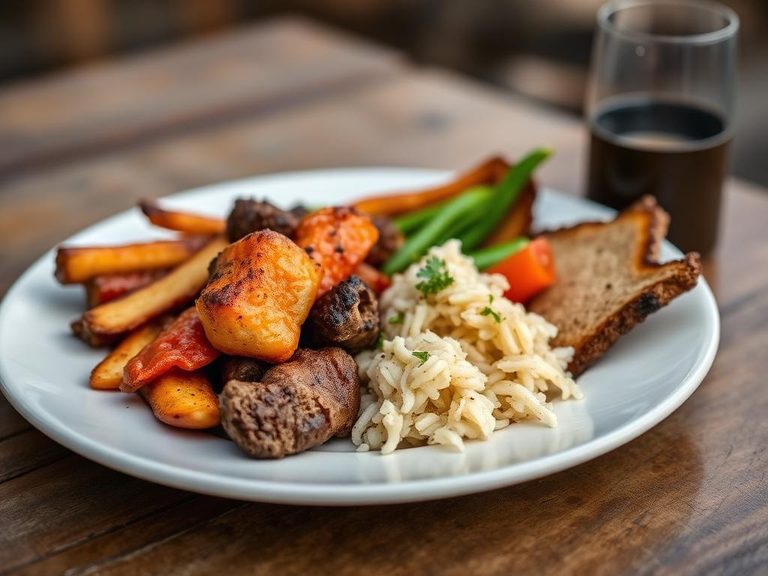
Campfire or backpacking meals are lightweight, nutrient-dense dishes designed for outdoor adventures, typically featuring dehydrated or freeze-dried ingredients like rice, pasta, or grains combined with proteins and vegetables. They originate from military rations and outdoor recreation culture, evolving into a popular category of convenient, portable foods for hikers, campers, and backpackers.
🍽️ Nutrition at a glance
These meals are generally high in carbohydrates for quick energy and moderate in protein to support muscle recovery, with fats often included for sustained calorie density. A typical serving provides 400-600 calories and key nutrients like iron, B vitamins, and electrolytes to replenish energy during physical activity.
Nutrition breakdown
| Calories | 500 kcal |
| Protein | 20 g |
| Carbs | 70 g |
| Fat | 15 g |
| Fiber | 5 g |
| Sugar | 8 g |
| Sodium | 800 mg |
| Iron | 4 mg |
| Potassium | 400 mg |
| Vitamin B6 | 0.8 mg |
| Magnesium | 60 mg |
| Zinc | 3 mg |
| Vitamin C | 10 mg |
| Calcium | 100 mg |
| Phosphorus | 200 mg |
Per 1 cup (150 g) dry mix, rehydrated · estimated, varies by recipe
💡 What's interesting
Culturally, they represent a blend of practicality and innovation in outdoor cuisine, often using space-saving packaging and long shelf lives. Nutritionally, they are engineered to balance macronutrients for endurance, making them a staple in survival kits and expedition planning.