Butcher's Cut Steak
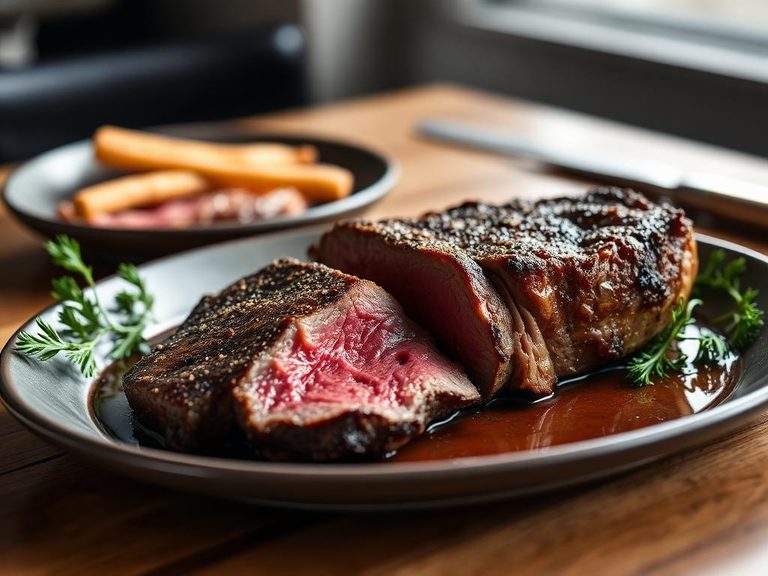
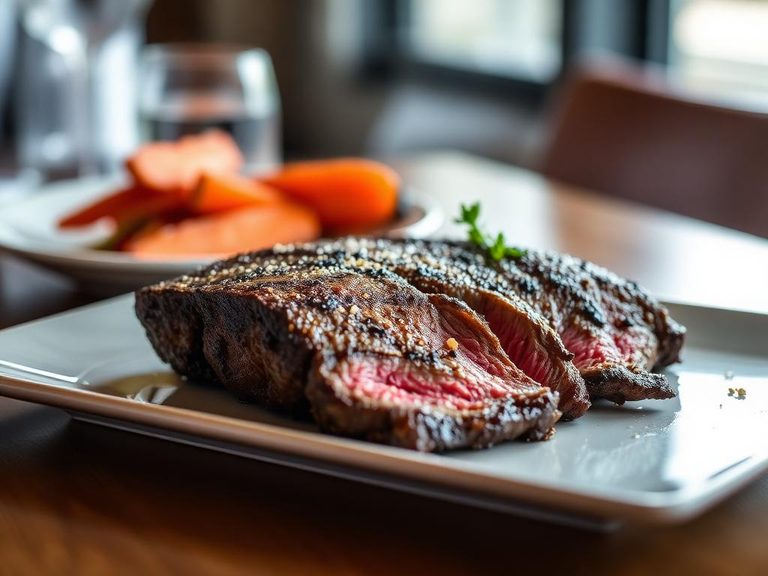
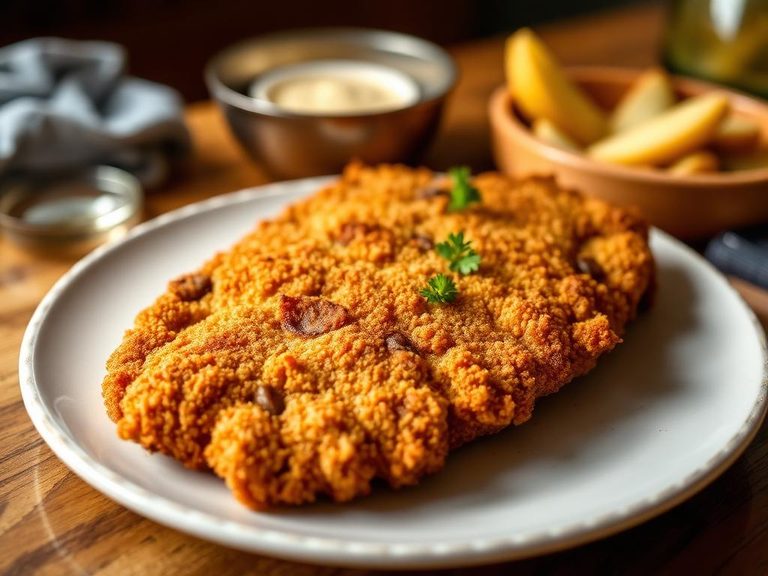
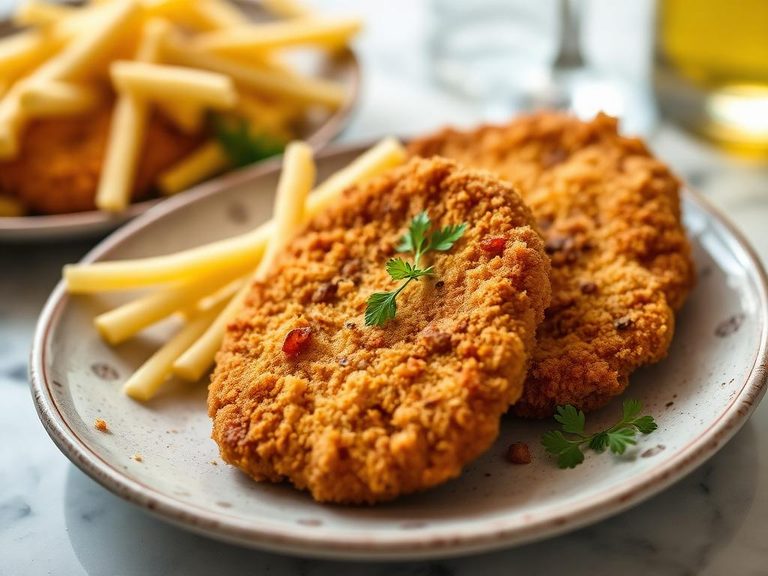
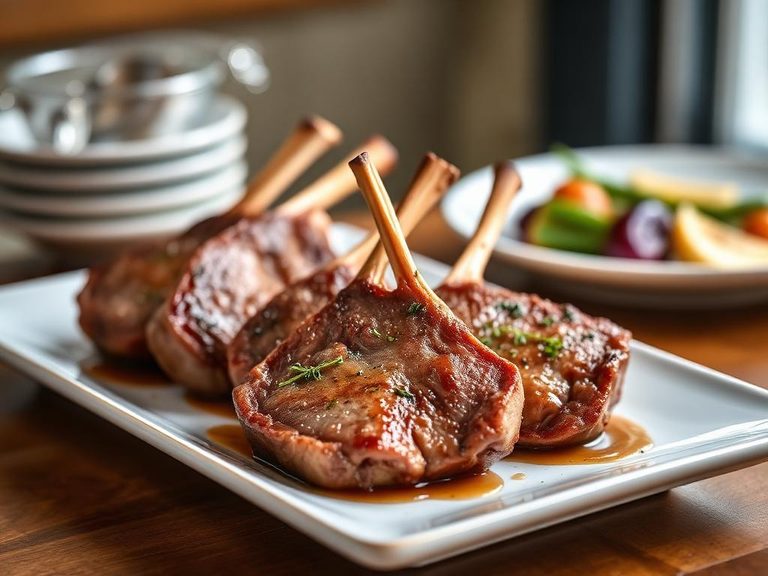
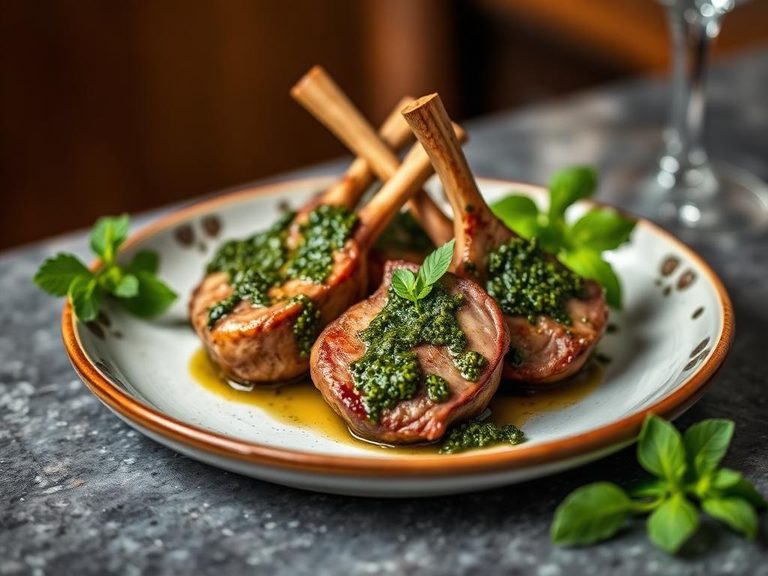
A 'Butcher's Cut' steak refers to a specific, often prized, cut of beef that a butcher might select for its exceptional flavor, texture, or marbling, such as a ribeye, New York strip, or filet mignon. It is typically a thick, high-quality slab of beef from a cow, seasoned simply with salt and pepper and cooked by grilling, pan-searing, or broiling to highlight the meat's natural richness. The concept originates from traditional butcher shops where the butcher would set aside the best pieces for discerning customers.
🍽️ Nutrition at a glance
This dish is very high in protein and fat, with virtually no carbohydrates. It is an excellent source of high-quality protein, iron, zinc, and B vitamins like B12 and niacin. A typical 6-ounce (170g) serving can range from 400 to 500 calories, depending on the specific cut and its fat content.
Nutrition breakdown
| Calories | 540 kcal |
| Protein | 48 g |
| Carbs | 0 g |
| Fat | 38 g |
| Fiber | 0 g |
| Sugar | 0 g |
| Sodium | 110 mg |
| Iron | 4.5 mg |
| Zinc | 9 mg |
| Vitamin B12 | 5.0 mcg |
| Niacin (B3) | 12 mg |
| Phosphorus | 350 mg |
| Selenium | 55 mcg |
| Potassium | 650 mg |
| Vitamin B6 | 0.9 mg |
Per 1 serving (227 g / 8 oz) · estimated, varies by recipe
💡 What's interesting
The term 'Butcher's Cut' is less about a single anatomical location and more a mark of quality and selection, representing the butcher's expertise and personal recommendation. Nutritionally, it's a dense source of heme iron, which is more easily absorbed by the body than plant-based iron, making it particularly valuable for preventing iron deficiency.