Breadcrumbs
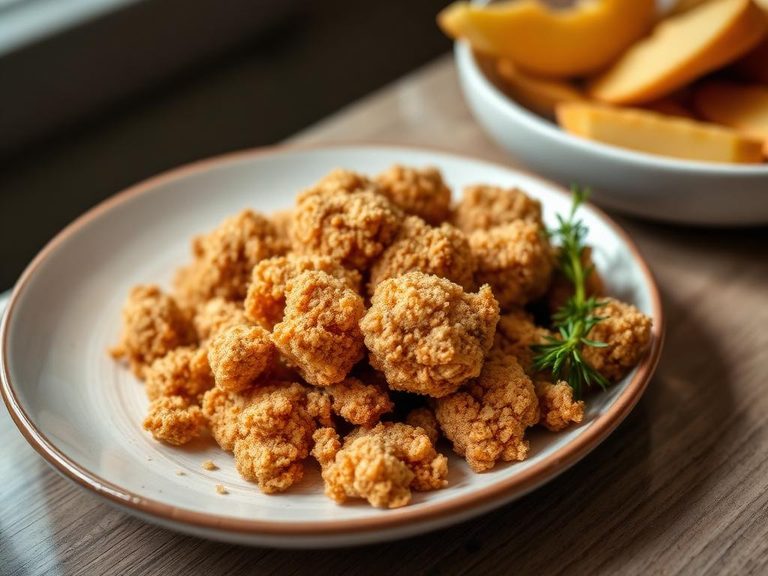
Breadcrumbs are a culinary staple made from dried, ground bread, typically from white or whole wheat loaves. They are a versatile ingredient used globally, primarily as a coating for fried or baked foods, a binder in meatballs, or a thickener in casseroles. Their origin is a practical one, evolving as a way to use stale bread and reduce food waste.
🍽️ Nutrition at a glance
Breadcrumbs are primarily a source of carbohydrates, providing quick energy, with a modest amount of protein. A typical serving offers key nutrients like selenium, manganese, and B vitamins, with a calorie count that can range from 100 to 400 kcal depending on the serving size and whether they are plain or seasoned.
Nutrition breakdown
| Calories | 220 kcal |
| Protein | 7 g |
| Carbs | 40 g |
| Fat | 3 g |
| Fiber | 3 g |
| Sugar | 4 g |
| Sodium | 480 mg |
| Selenium | 14 mcg |
| Manganese | 0.5 mg |
| Thiamin (B1) | 0.3 mg |
| Niacin (B3) | 3.5 mg |
| Folate | 60 mcg |
| Iron | 2.5 mg |
| Magnesium | 25 mg |
| Phosphorus | 70 mg |
Per 1/2 cup (60 g) · estimated, varies by recipe
💡 What's interesting
Culturally, breadcrumbs represent a universal principle of kitchen thrift, turning a leftover into a valued ingredient. Nutritionally, whole-wheat varieties can be a good source of dietary fiber, and the toasting process can increase the bioavailability of certain antioxidants.
🍽️ Related dishes
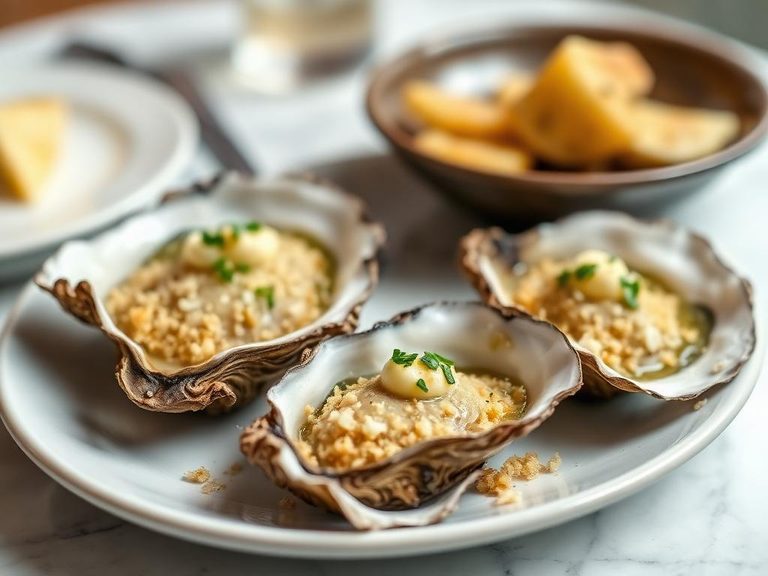 Baked Oysters with Parmesan and Breadcrumbs
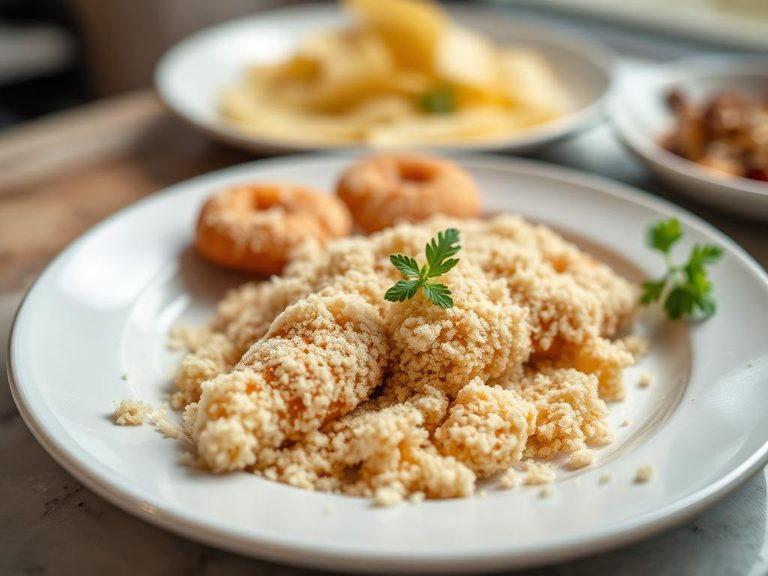 Breadcrumbs for coating
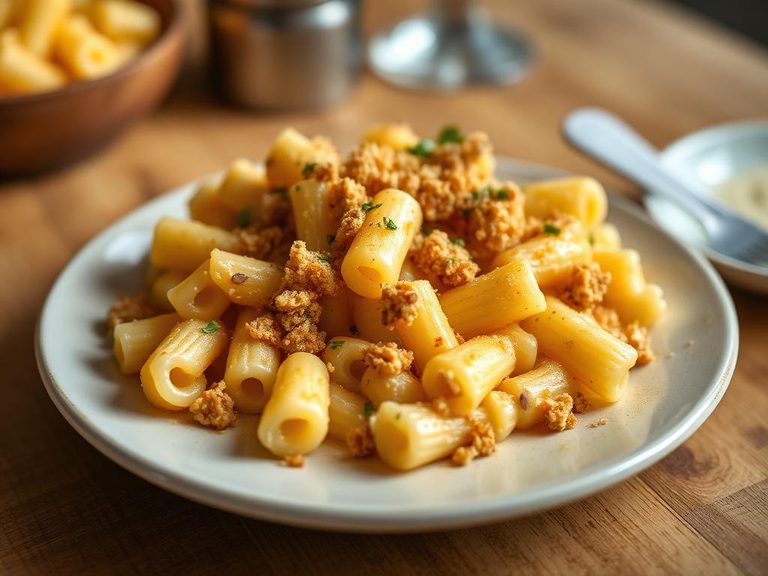 Macaroni and Cheese with Breadcrumbs
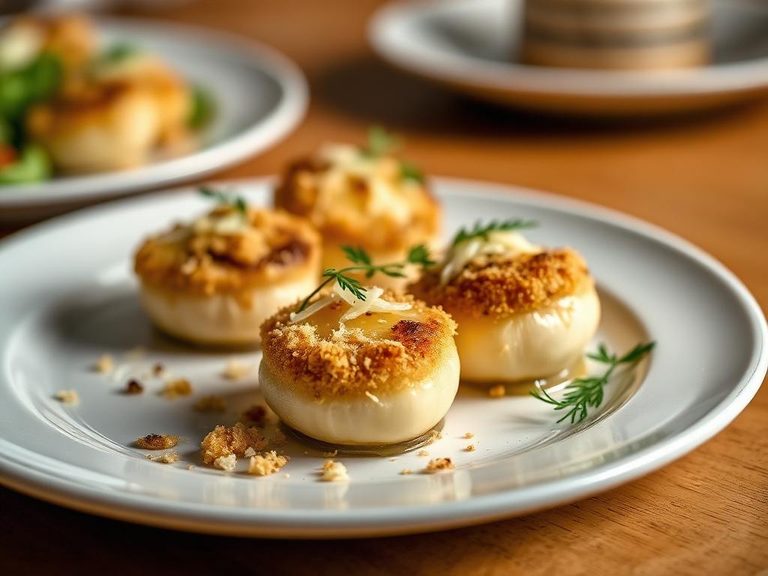 Baked Scallops with Breadcrumbs and Parmesan
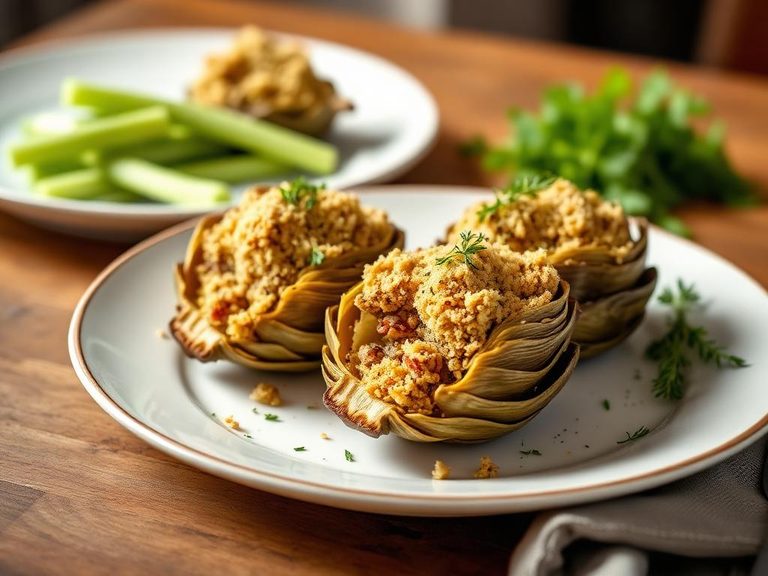 Stuffed Artichokes with Breadcrumbs and Herbs
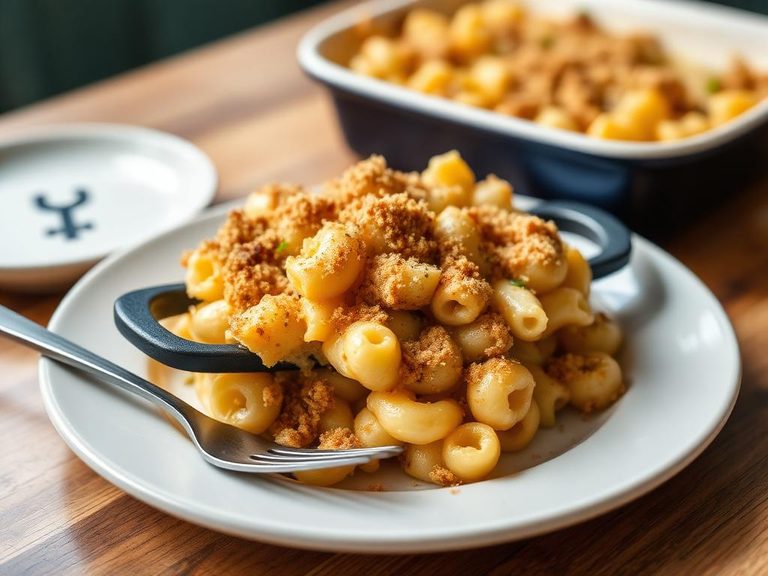 Baked mac and cheese with breadcrumbs
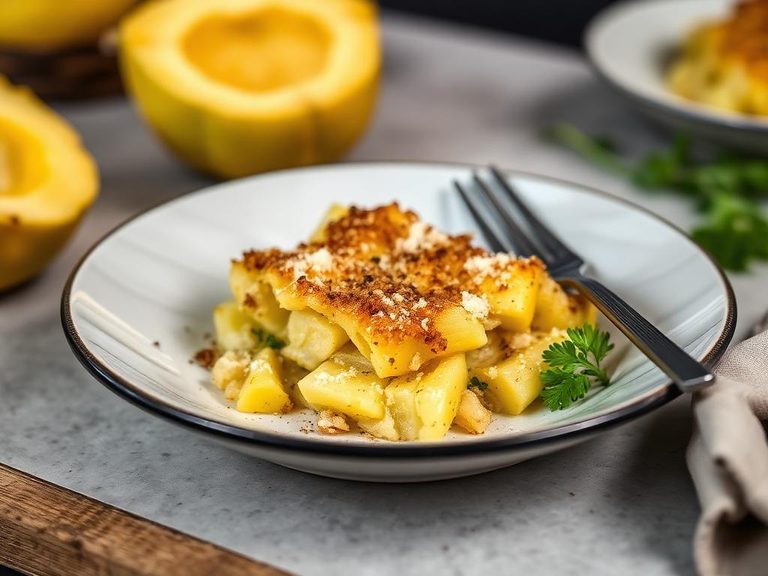 Pattypan Squash Gratin with Parmesan and Breadcrumbs
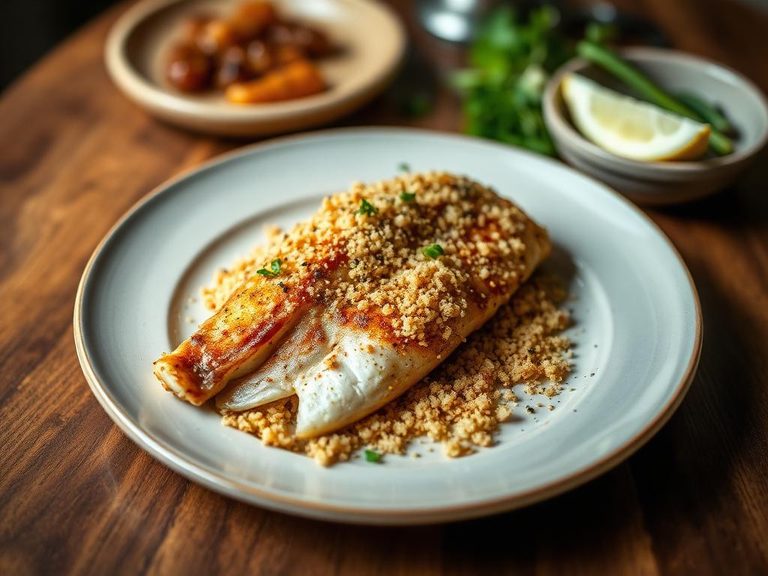 Pan-Fried Mackerel with Breadcrumbs