Beignets de la Chandeleur
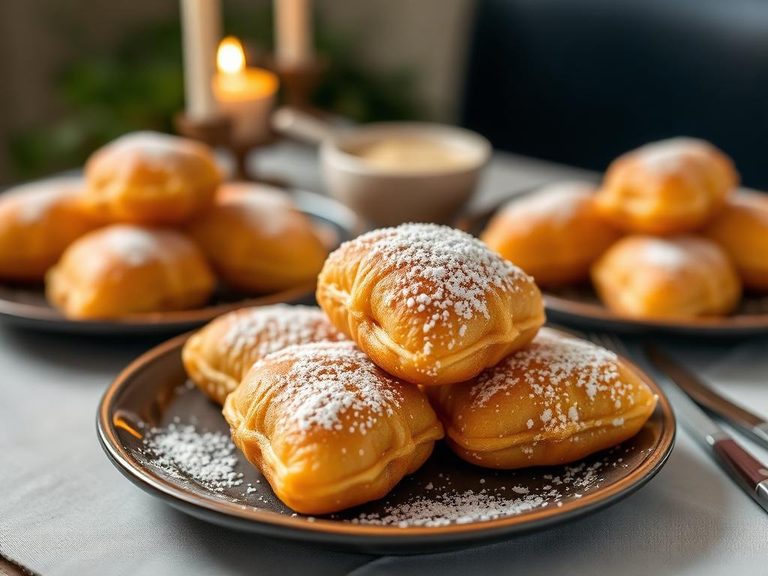
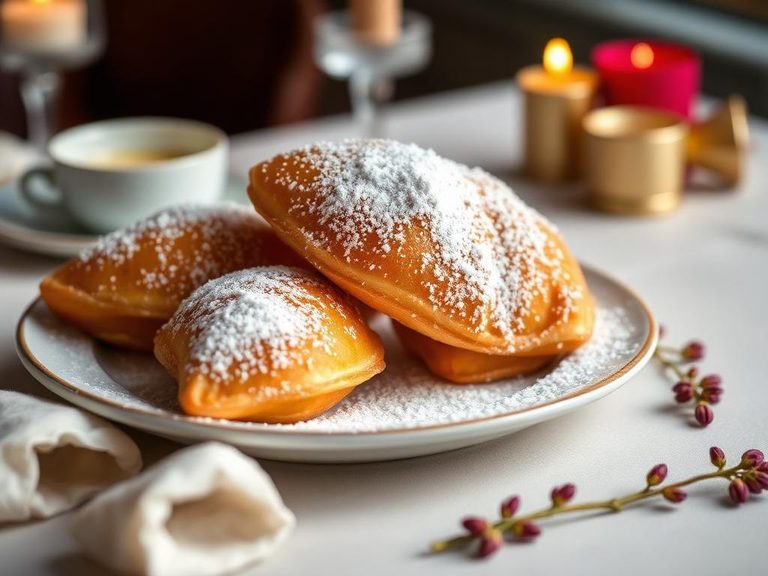
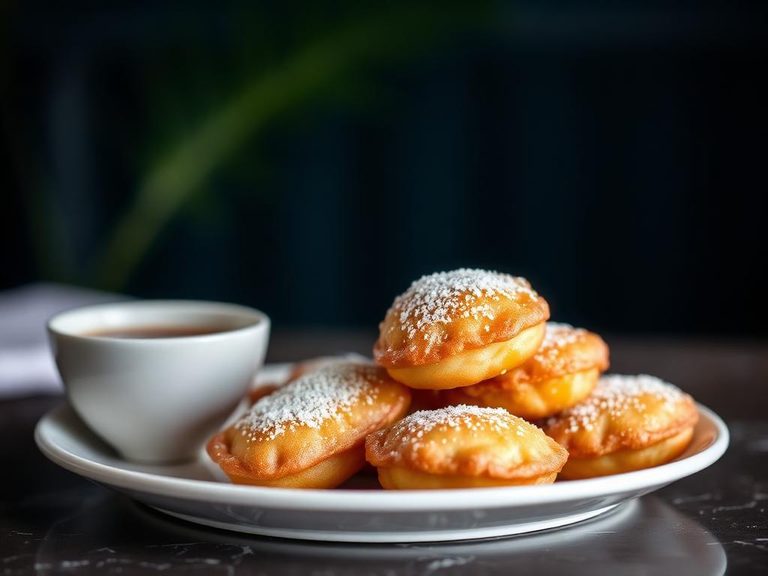
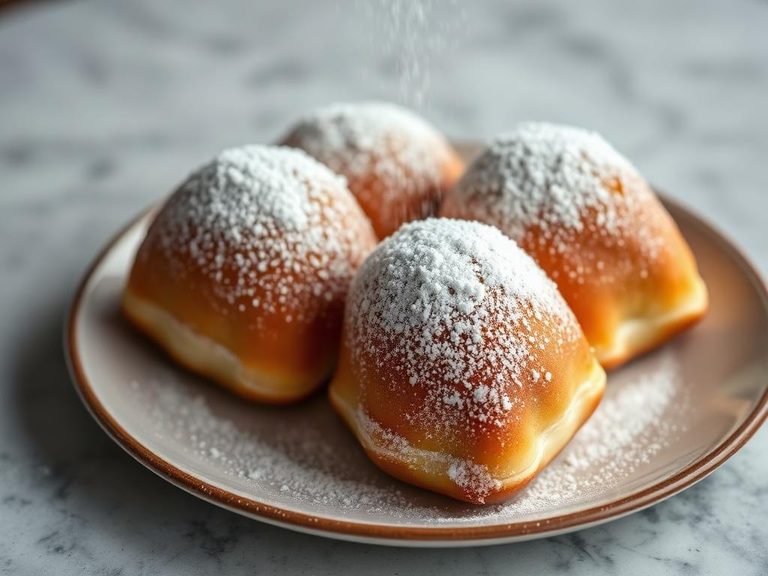
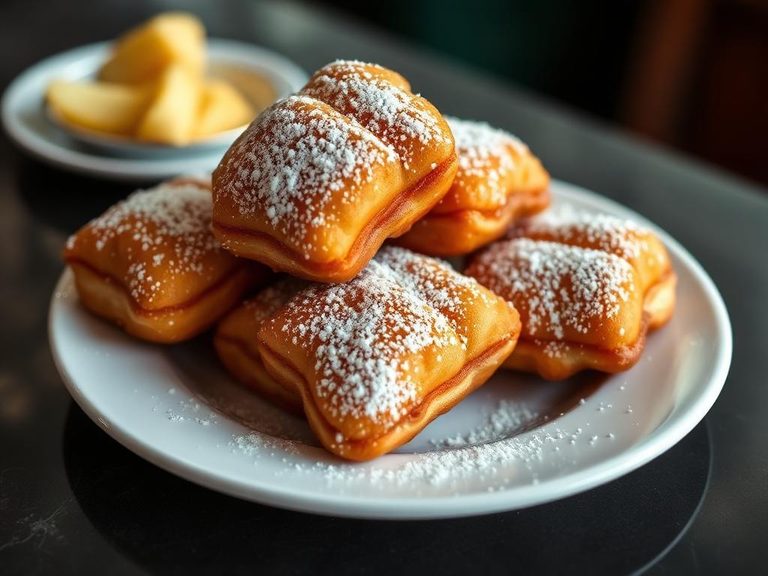
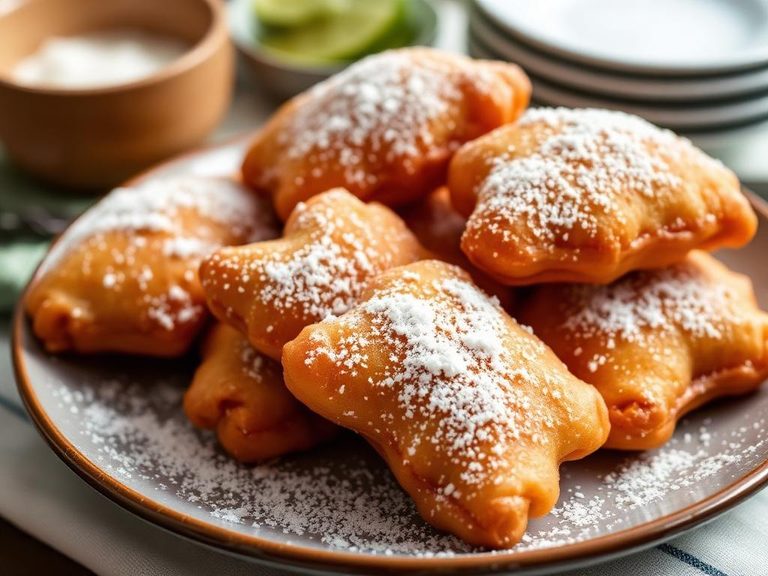
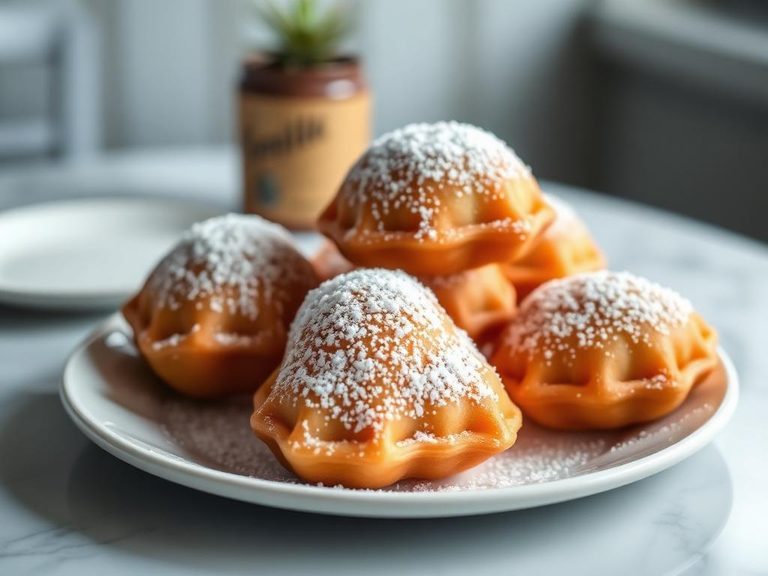
Beignets de la Chandeleur are traditional French pastries enjoyed on Candlemas (La Chandeleur), celebrated on February 2nd. These light, airy fritters are typically made from a simple dough of flour, eggs, milk, and a touch of sugar, then deep-fried until golden and dusted generously with powdered sugar. They are a beloved seasonal treat, often associated with the end of winter and the promise of spring.
🍽️ Nutrition at a glance
As a deep-fried pastry, beignets are high in carbohydrates and fat, providing a quick source of energy. A typical serving (about 3-4 medium beignets) contains roughly 300-400 calories, with minimal protein but some calcium and iron from the flour and milk.
Nutrition breakdown
| Calories | 350 kcal |
| Protein | 5 g |
| Carbs | 45 g |
| Fat | 16 g |
| Fiber | 1.5 g |
| Sugar | 12 g |
| Sodium | 280 mg |
| Iron | 2.5 mg |
| Calcium | 60 mg |
| Potassium | 100 mg |
| Magnesium | 15 mg |
| Phosphorus | 80 mg |
| Vitamin B1 (Thiamine) | 0.2 mg |
| Vitamin B2 (Riboflavin) | 0.15 mg |
| Folate | 40 µg |
Per 2 medium beignets (about 100 g) · estimated, varies by recipe
💡 What's interesting
Culturally, making and eating beignets on Chandeleur is a French tradition meant to symbolize the sun and bring good fortune; it's said that if you can flip a beignet in the pan without it falling, you'll have a prosperous year. Nutritionally, they are a classic example of a celebratory 'comfort food'—indulgent and energy-dense, meant for occasional enjoyment rather than daily sustenance.