Baking mix-in
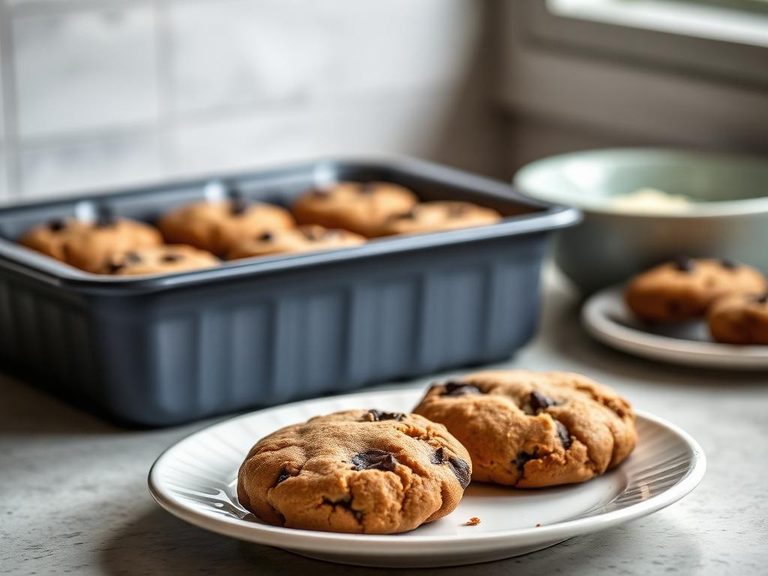
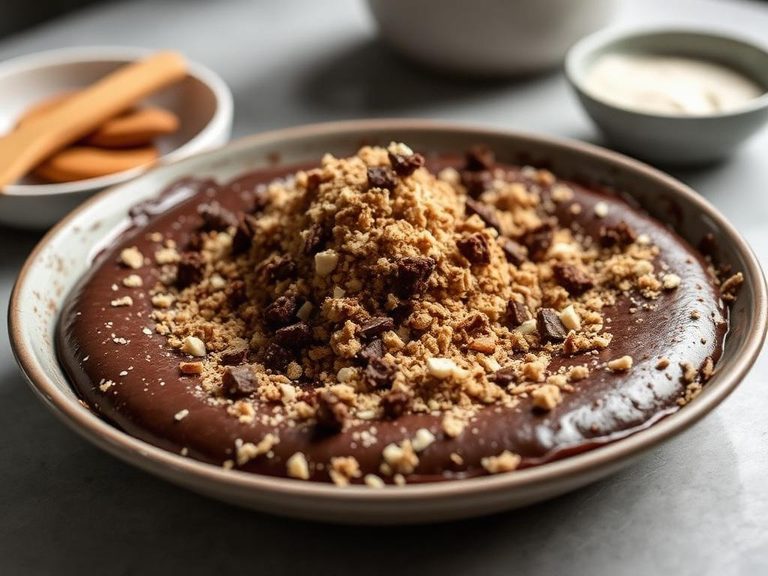
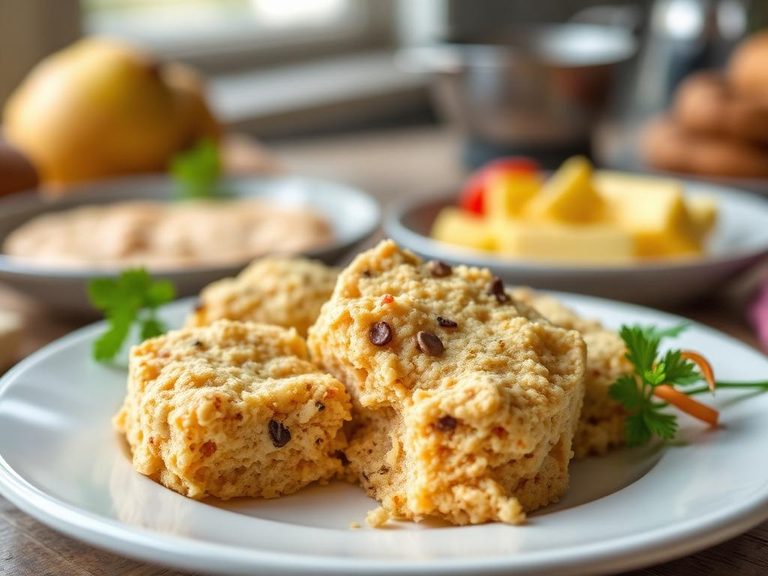
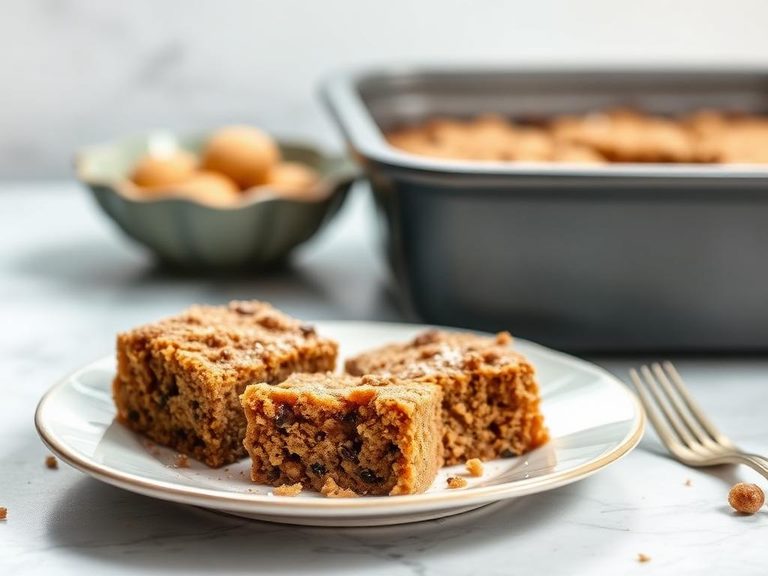
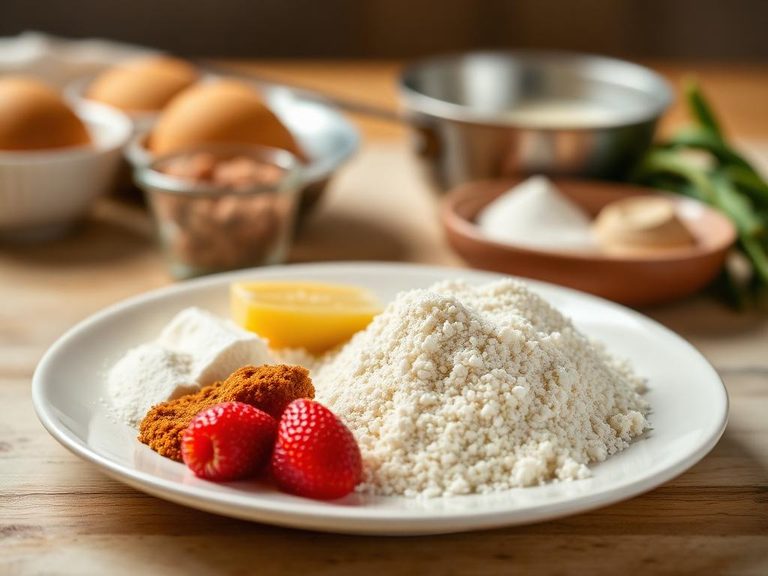
A baking mix-in is a customizable ingredient or combination of ingredients folded into batters or doughs before baking to add flavor, texture, and visual appeal. Common mix-ins include chocolate chips, nuts, dried fruits, sprinkles, or candy pieces, and they are a staple in homemade cookies, muffins, and quick breads. This concept is especially popular in American home baking, where it encourages creativity and personalization.
🍽️ Nutrition at a glance
Baking mix-ins are typically high in carbohydrates and fats, depending on the chosen ingredients, and can significantly increase the calorie density of the final product. They often provide quick energy from sugars and fats, with some mix-ins like nuts or seeds adding protein, fiber, and essential minerals such as magnesium or zinc.
Nutrition breakdown
| Calories | 480 kcal |
| Protein | 6 g |
| Carbs | 58 g |
| Fat | 26 g |
| Fiber | 1 g |
| Sugar | 28 g |
| Sodium | 420 mg |
| Iron | 2.5 mg |
| Calcium | 120 mg |
| Potassium | 150 mg |
| Vitamin A | 150 mcg |
| Vitamin D | 1.2 mcg |
| Thiamin (B1) | 0.3 mg |
| Niacin (B3) | 2.5 mg |
| Folate | 80 mcg |
Per 1 cup (120 g) · estimated, varies by recipe
💡 What's interesting
The tradition of baking mix-ins reflects a cultural emphasis on comfort food and personal expression in the kitchen, turning simple recipes into unique treats. Nutritionally, the choice of mix-ins can transform a basic baked good into a more balanced snack—for example, adding nuts or oats boosts fiber and healthy fats, making it more satisfying.