Vending machine selection
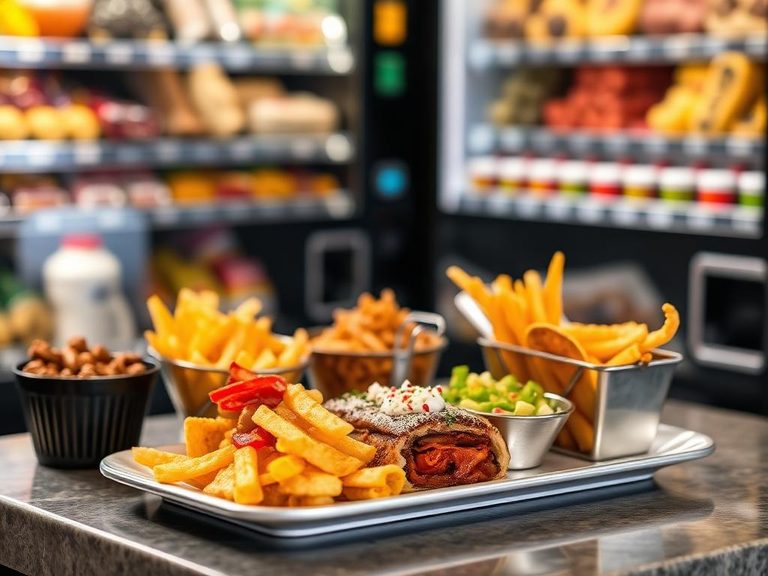
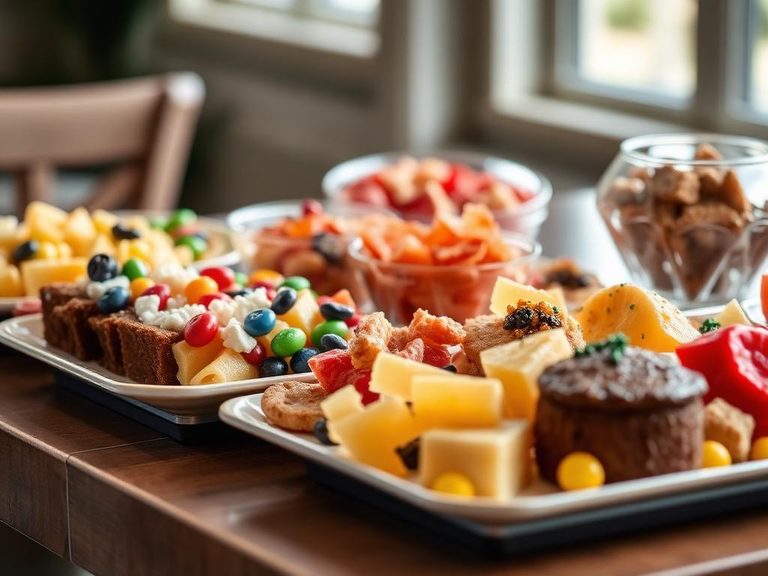
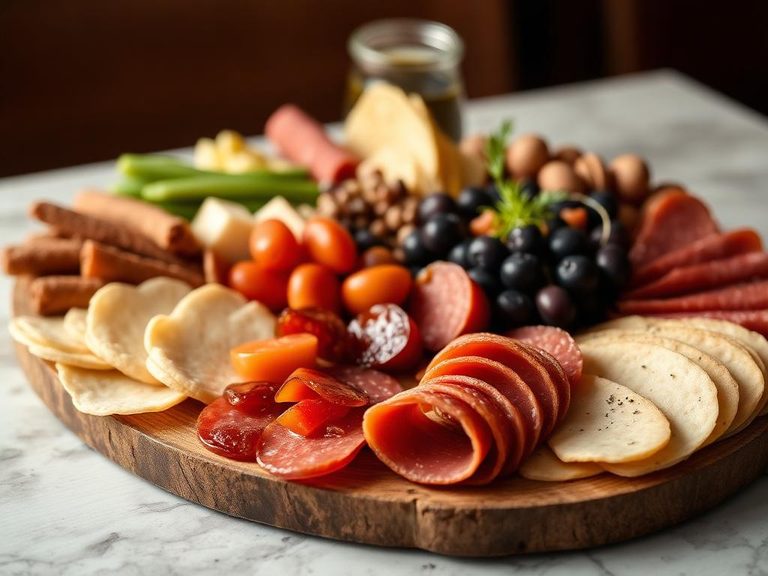
Vending machine selection is not a single dish but a curated assortment of pre-packaged snacks and meals typically found in automated dispensers. Common items include chips, candy bars, nuts, sandwiches, and canned drinks, with ingredients varying widely from processed grains and sugars to proteins and vegetables. This concept originated in the United States and Japan, where vending machines are a ubiquitous part of daily life.
🍽️ Nutrition at a glance
Nutritionally, a vending machine selection is highly variable, but many items tend to be high in carbohydrates, fats, and sodium, with lower protein content. A typical snack might provide 150-300 calories, while a meal option could range from 400-700 calories, often lacking in fiber and essential vitamins.
Nutrition breakdown
| Calories | 250 kcal |
| Protein | 3 g |
| Carbs | 35 g |
| Fat | 12 g |
| Fiber | 2 g |
| Sugar | 18 g |
| Sodium | 400 mg |
| Potassium | 150 mg |
| Iron | 1.5 mg |
| Vitamin C | 0 mg |
| Calcium | 30 mg |
| Vitamin A | 0 µg |
| Magnesium | 20 mg |
| Phosphorus | 50 mg |
| Zinc | 0.5 mg |
Per 1 typical snack package (e.g., a bag of chips or a candy bar, approximately 50-100 g) · estimated, varies by recipe
💡 What's interesting
Culturally, vending machine selections reflect a society's emphasis on convenience and on-the-go eating, with Japan known for its incredibly diverse and high-quality offerings, from hot meals to fresh flowers. Nutritionally, it's a study in trade-offs, offering quick energy but often at the cost of balanced nutrition.