Vegetable Upma
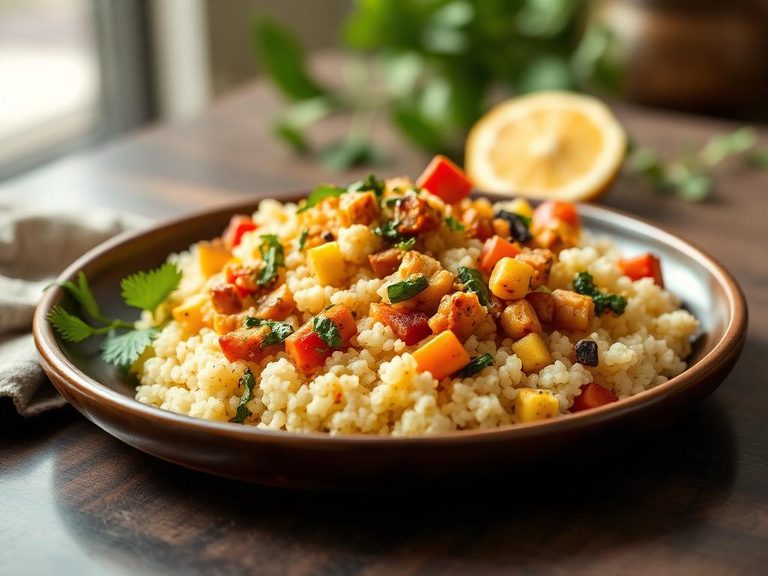
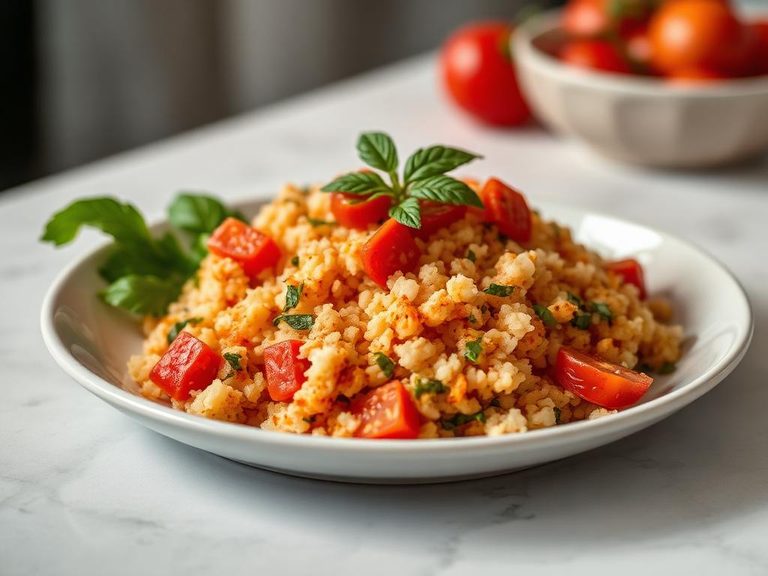
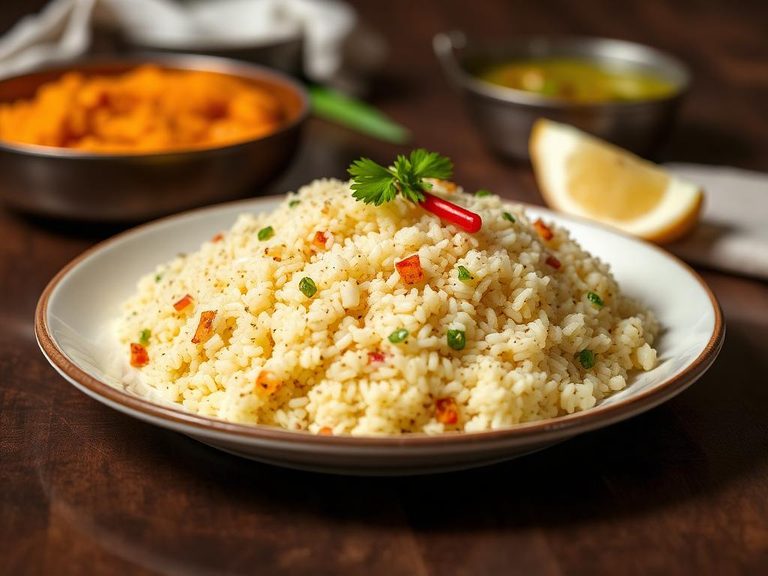
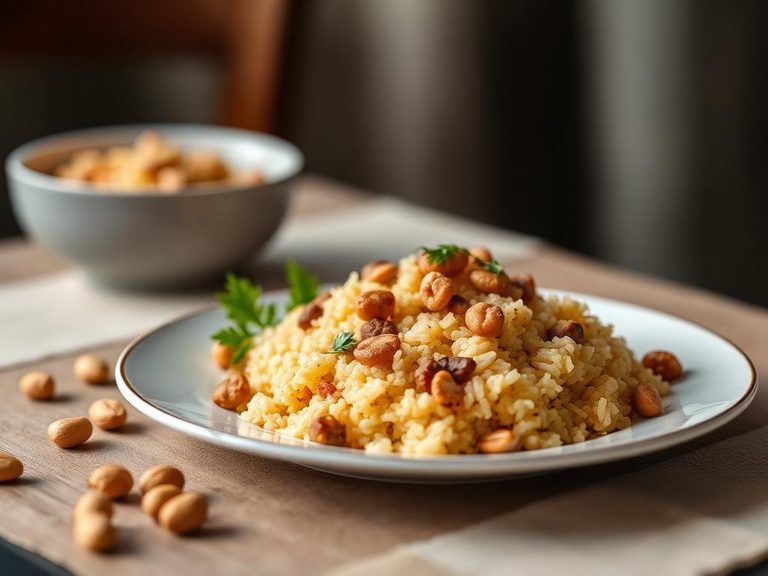
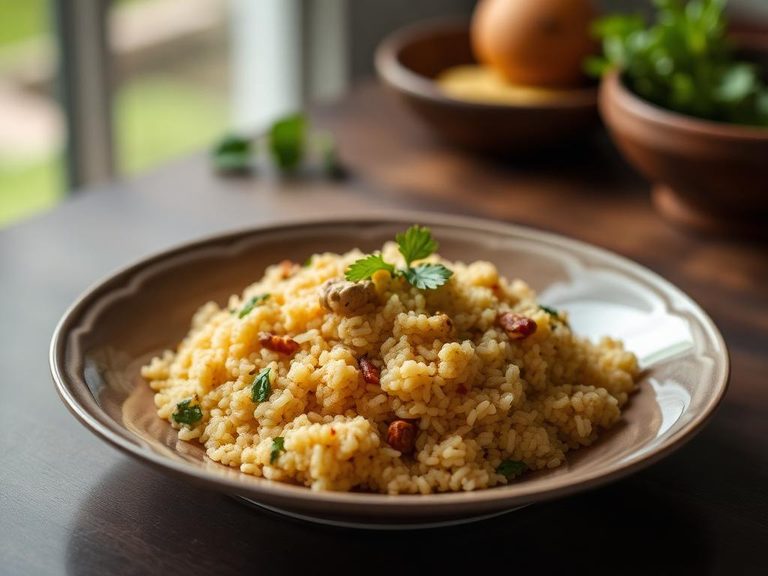
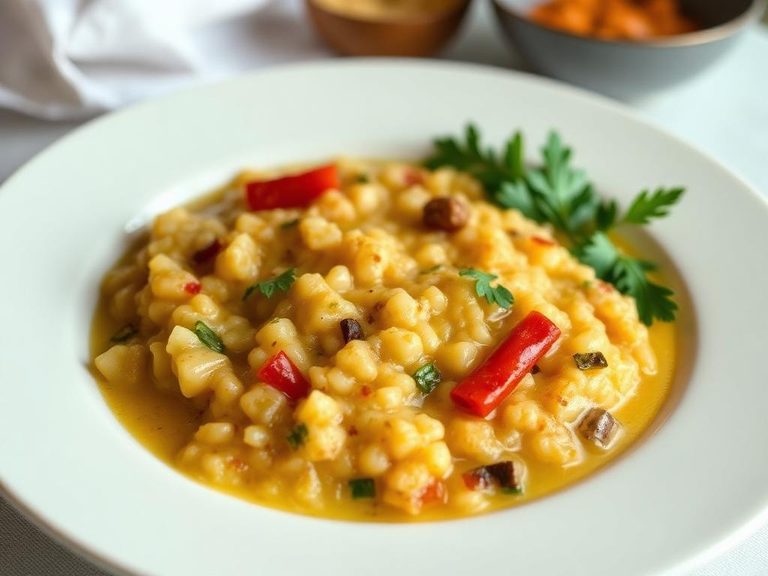
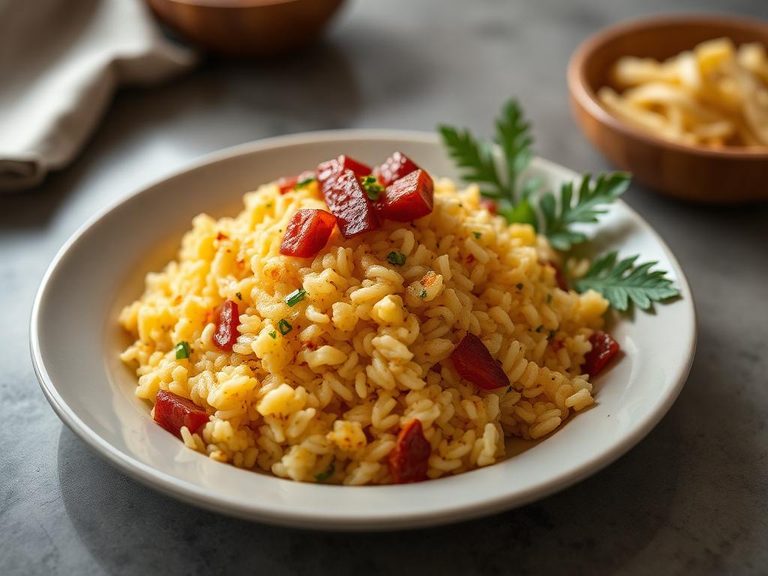
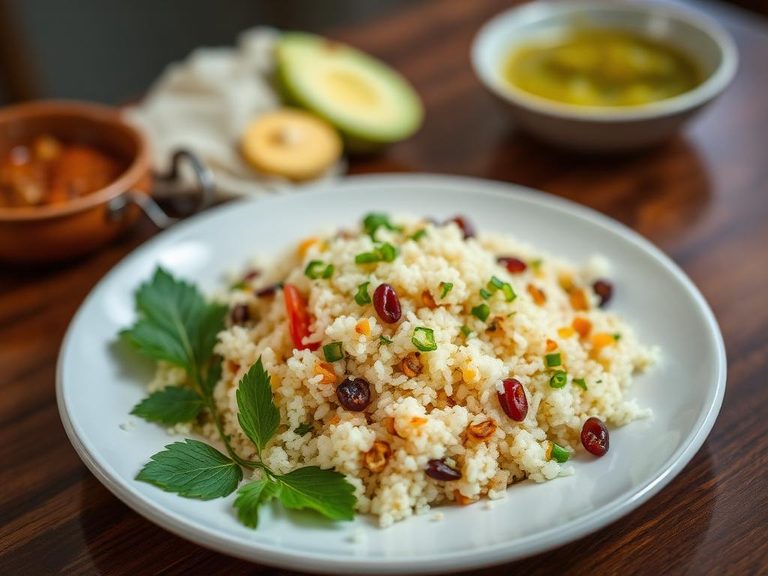
Vegetable Upma is a savory South Indian breakfast dish made from roasted semolina (rava) cooked with tempered spices, vegetables, and sometimes nuts. It's a staple in Indian households, often enjoyed hot for breakfast or a light meal, and is known for its comforting, fluffy texture. The dish originates from South India and is a popular, quick-to-prepare comfort food across the subcontinent.
🍽️ Nutrition at a glance
Vegetable Upma is primarily a carbohydrate-rich dish due to the semolina base, with moderate fat from oil or ghee used in tempering and minimal protein. It provides key nutrients like B vitamins from the semolina, iron, and fiber from the vegetables, with a rough calorie ballpark of around 250-300 kcal per serving.
Nutrition breakdown
| Calories | 250 kcal |
| Protein | 5 g |
| Carbs | 42 g |
| Fat | 8 g |
| Fiber | 4 g |
| Sugar | 3 g |
| Sodium | 450 mg |
| Potassium | 350 mg |
| Iron | 2.5 mg |
| Magnesium | 45 mg |
| Phosphorus | 80 mg |
| Vitamin B1 (Thiamine) | 0.2 mg |
| Vitamin B3 (Niacin) | 2 mg |
| Folate | 60 µg |
| Manganese | 0.8 mg |
Per 1 cup (240 g) · estimated, varies by recipe
💡 What's interesting
Culturally, Upma is a versatile dish that varies widely by region and family recipe, often customized with seasonal vegetables or added lentils for texture. Nutritionally, it's interesting because the roasting of semolina before cooking enhances its nutty flavor and may improve digestibility, while the tempering with spices like mustard seeds and curry leaves adds antioxidant properties.