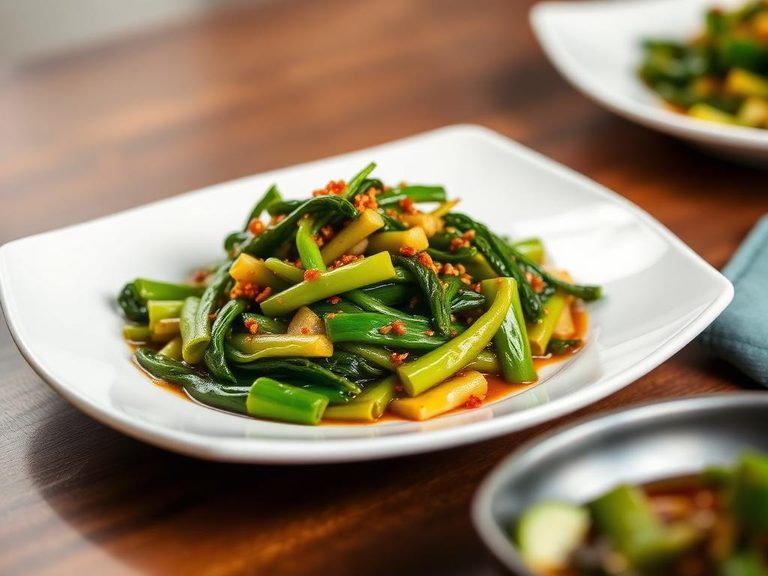
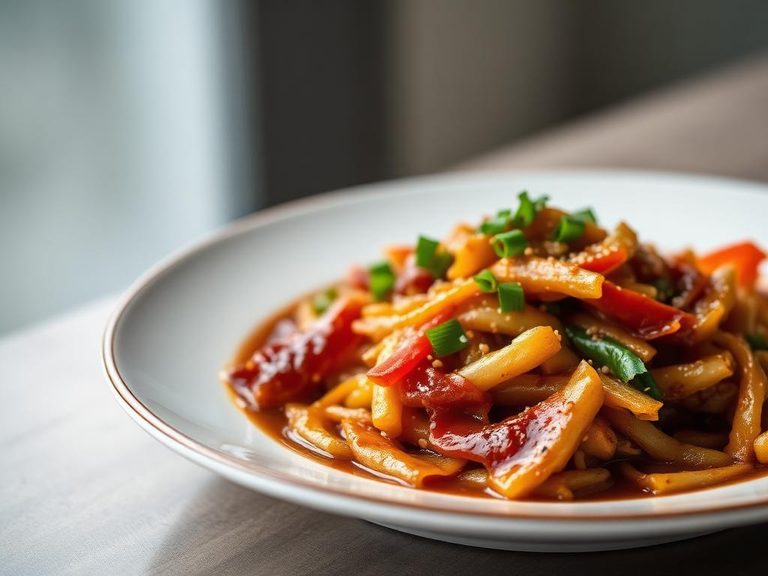
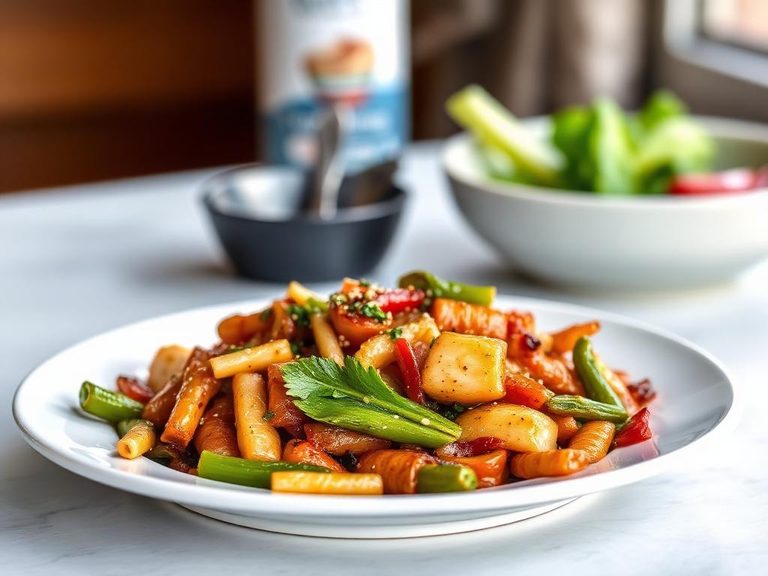
Steamed with Sesame Oil
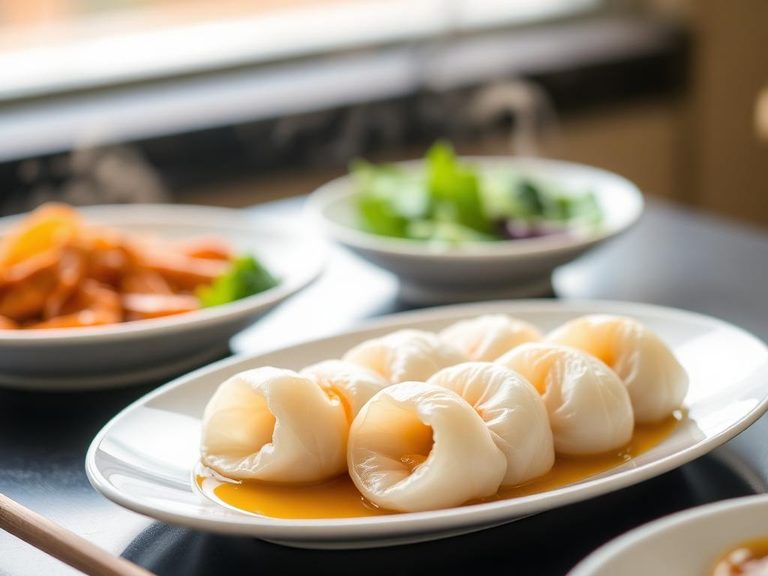
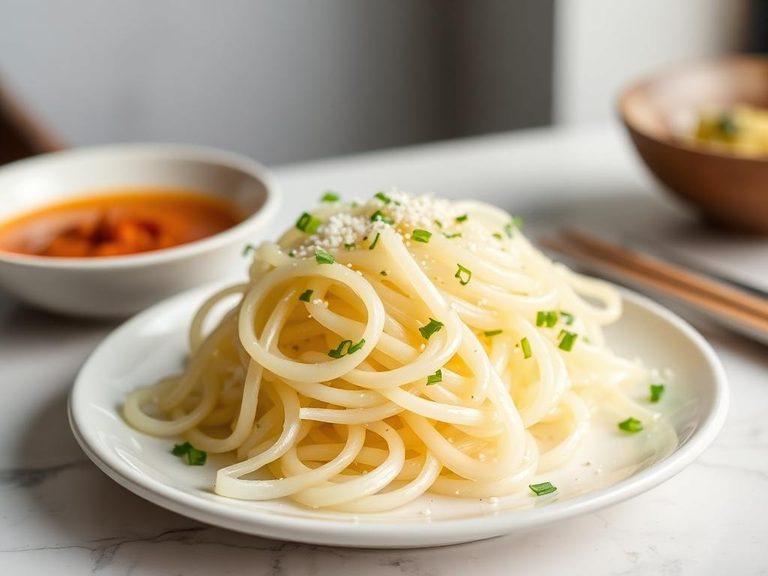
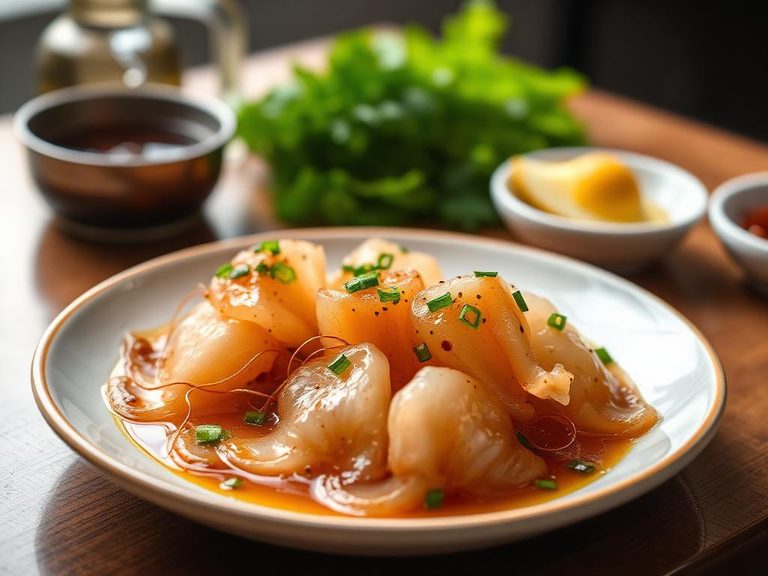
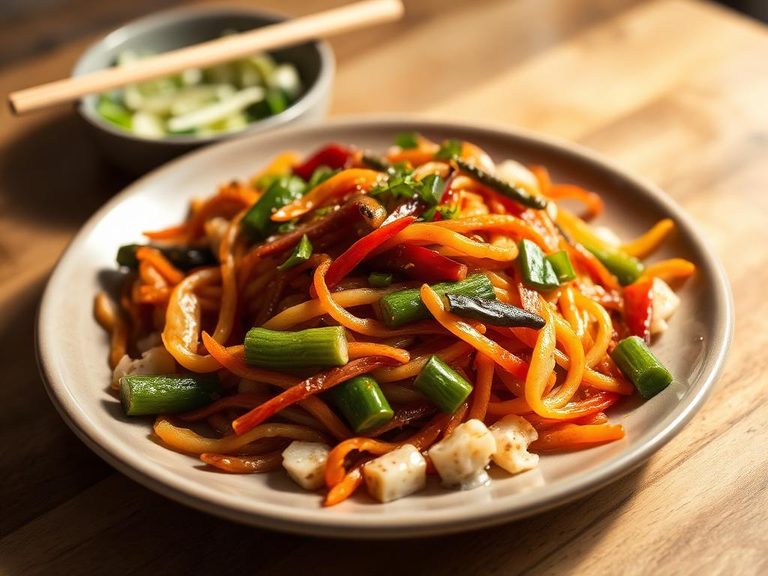
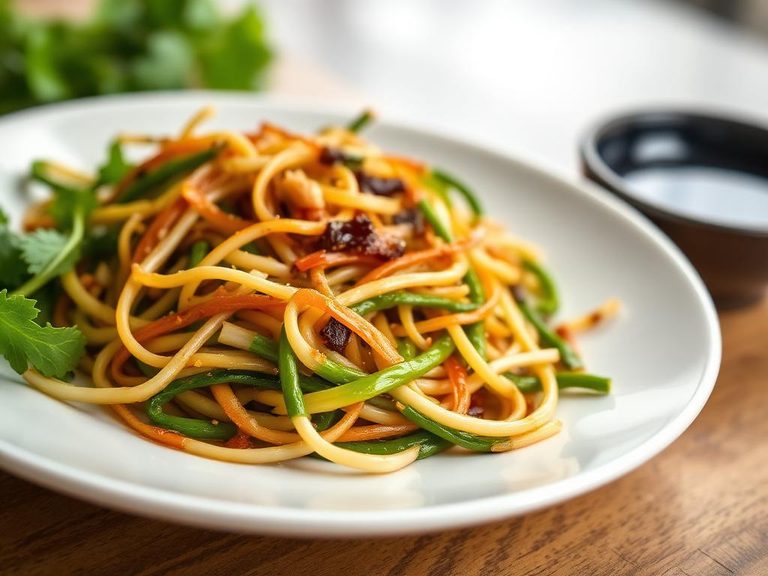
Steamed with Sesame Oil is a classic Chinese cooking technique where ingredients like fish, tofu, or vegetables are gently steamed to preserve their natural texture and flavor, then finished with a drizzle of fragrant sesame oil. This method is especially popular in Cantonese and Taiwanese cuisines, where it highlights the freshness of the main ingredient with minimal seasoning.
🍽️ Nutrition at a glance
This dish is typically low in carbohydrates and moderate in fat, primarily from the sesame oil and any added sauces. It provides high-quality protein (if using fish or tofu), along with essential minerals like selenium and potassium, with a rough calorie range of 150-250 kcal per serving depending on the main ingredient.
Nutrition breakdown
| Calories | 180 kcal |
| Protein | 18 g |
| Carbs | 4 g |
| Fat | 10 g |
| Fiber | 1 g |
| Sugar | 1 g |
| Sodium | 450 mg |
| Selenium | 25 mcg |
| Potassium | 320 mg |
| Phosphorus | 200 mg |
| Vitamin B12 | 1.5 mcg |
| Magnesium | 40 mg |
| Zinc | 1.2 mg |
| Iron | 1.5 mg |
| Vitamin E | 2 mg |
Per 1 serving (200 g) · estimated, varies by recipe
💡 What's interesting
The technique of steaming with sesame oil is valued in Chinese culinary philosophy for its ability to retain nutrients and natural flavors, aligning with principles of balanced and light eating. Nutritionally, sesame oil adds antioxidants like sesamol and healthy unsaturated fats, which can support heart health.