Salt Potatoes
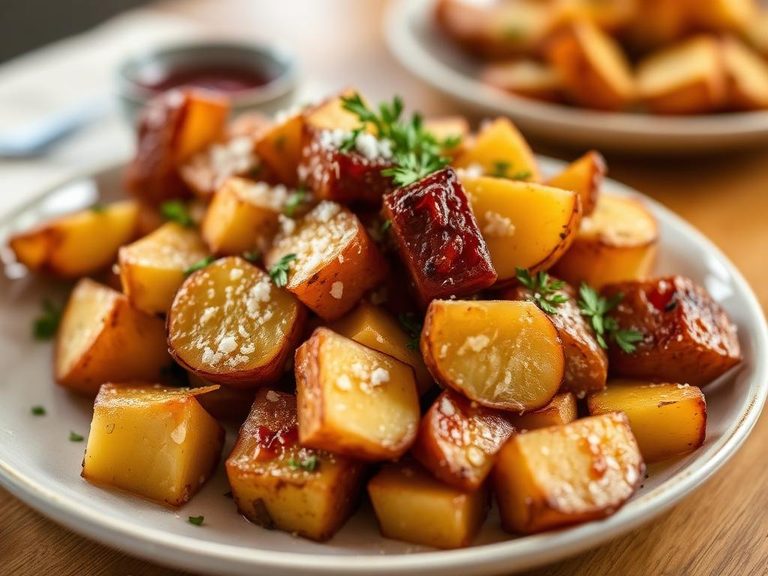
Salt potatoes are a beloved regional side dish from Central New York, consisting of small, thin-skinned potatoes boiled in heavily salted water until tender. They are typically served warm with melted butter for dipping, allowing the salt crust on the skin to flavor the creamy interior. This simple preparation is a staple at summer gatherings, picnics, and fairs throughout the Syracuse area.
🍽️ Nutrition at a glance
This dish is primarily a source of carbohydrates from the potatoes, with added fat from the butter. It provides potassium and vitamin C from the potatoes, but the high sodium content from the cooking water is a key nutritional characteristic. A typical serving of about 10-12 small potatoes with butter can range from 300 to 400 calories.
Nutrition breakdown
| Calories | 180 kcal |
| Protein | 3 g |
| Carbs | 40 g |
| Fat | 1 g |
| Fiber | 3 g |
| Sugar | 2 g |
| Sodium | 1100 mg |
| Potassium | 620 mg |
| Vitamin C | 20 mg |
| Vitamin B6 | 0.4 mg |
| Magnesium | 45 mg |
| Phosphorus | 100 mg |
| Niacin (B3) | 2.5 mg |
| Iron | 1.5 mg |
| Copper | 0.3 mg |
Per 1 cup (240 g) · estimated, varies by recipe
💡 What's interesting
Culturally, salt potatoes are a unique culinary tradition tied to the salt mining history of the Syracuse region, where workers would boil potatoes in brine. The cooking method creates a distinct, flavorful salt crust on the skin that contrasts with the fluffy inside, making them a uniquely savory and satisfying treat.