Pounded yam
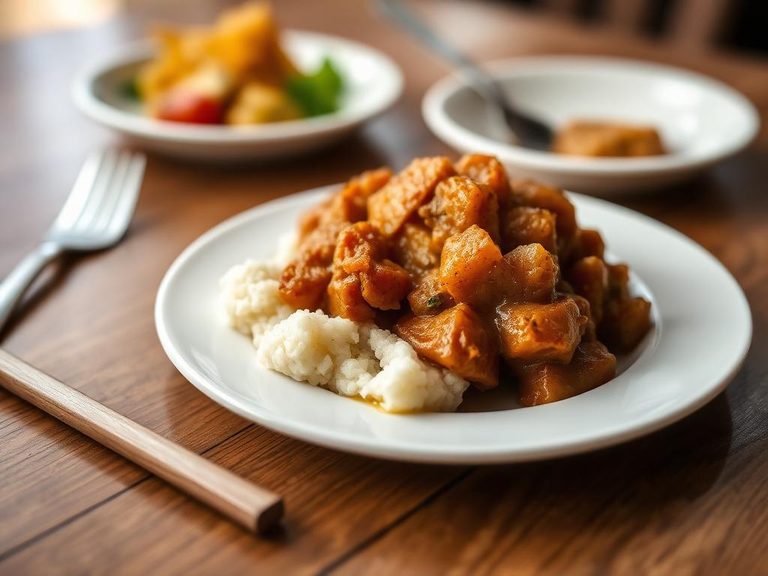
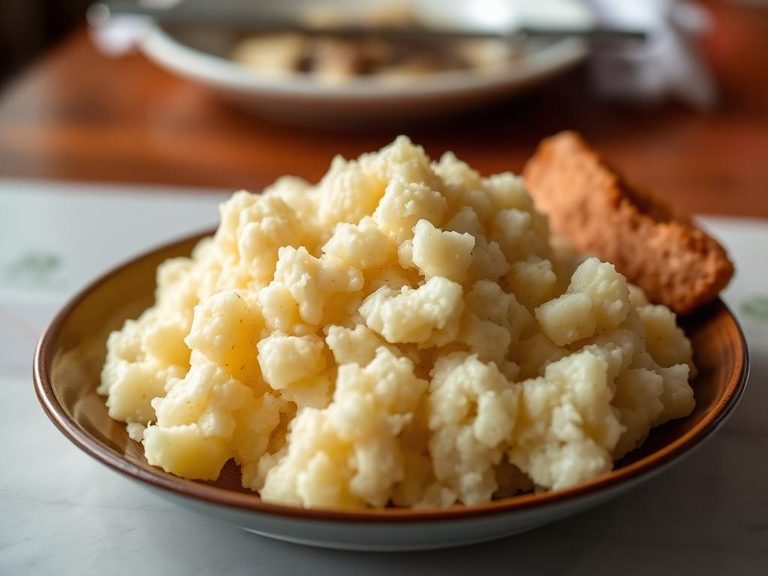
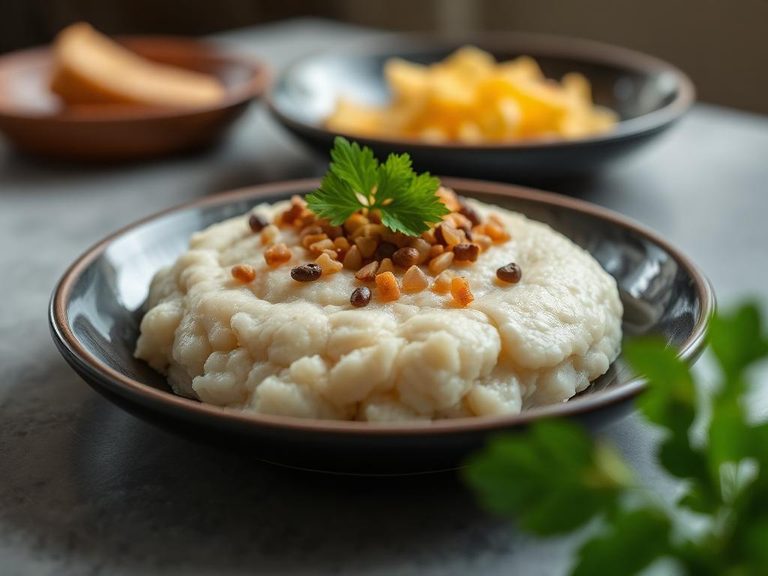
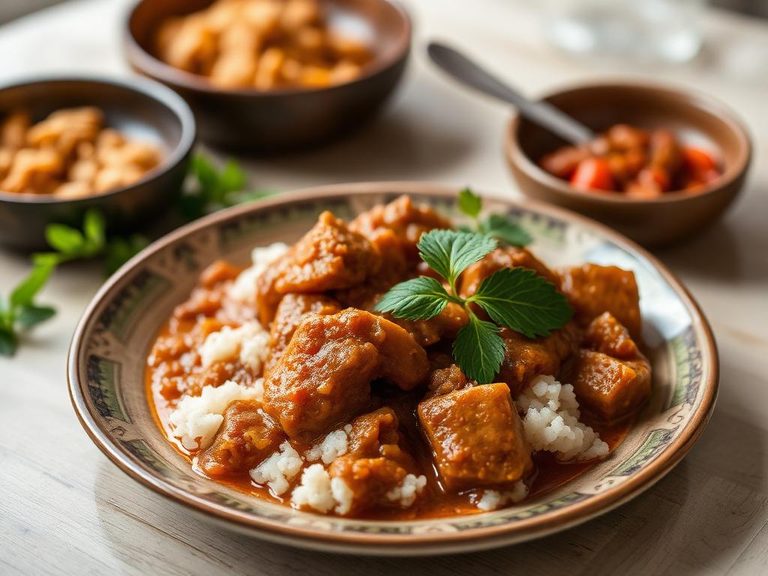
Pounded yam is a smooth, stretchy, and dough-like staple food popular in West Africa, particularly Nigeria and Ghana. It is made by boiling white yam until soft, then pounding it in a mortar with a pestle (or using a modern mixer) until it becomes a cohesive, elastic mass. It is typically served with a variety of rich soups and stews.
🍽️ Nutrition at a glance
This dish is very high in carbohydrates, providing a significant source of energy, with a moderate amount of dietary fiber and essential minerals like potassium and magnesium. A typical serving of about one cup (200g) contains roughly 250-300 calories.
Nutrition breakdown
| Calories | 340 kcal |
| Protein | 2.5 g |
| Carbs | 82 g |
| Fat | 0.3 g |
| Fiber | 5 g |
| Sugar | 1.5 g |
| Sodium | 10 mg |
| Potassium | 620 mg |
| Vitamin C | 12 mg |
| Vitamin B6 | 0.3 mg |
| Thiamine (B1) | 0.2 mg |
| Magnesium | 35 mg |
| Phosphorus | 70 mg |
| Iron | 0.7 mg |
| Manganese | 0.7 mg |
Per 1 cup (240 g) · estimated, varies by recipe
💡 What's interesting
The unique, stretchy texture of properly pounded yam is a mark of culinary skill and is central to its cultural appeal, often described as the 'fufu' of the Yoruba people. Nutritionally, it serves as a dense, gluten-free energy source that forms the carbohydrate base of many traditional West African meals.