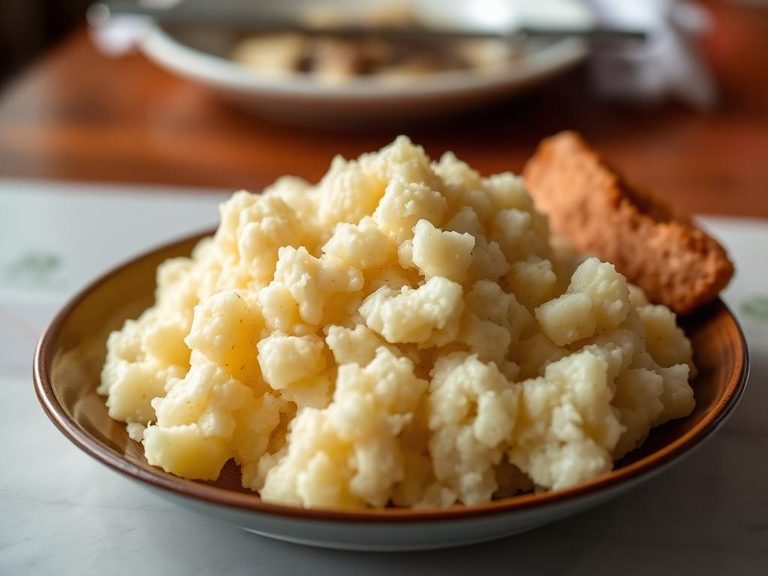
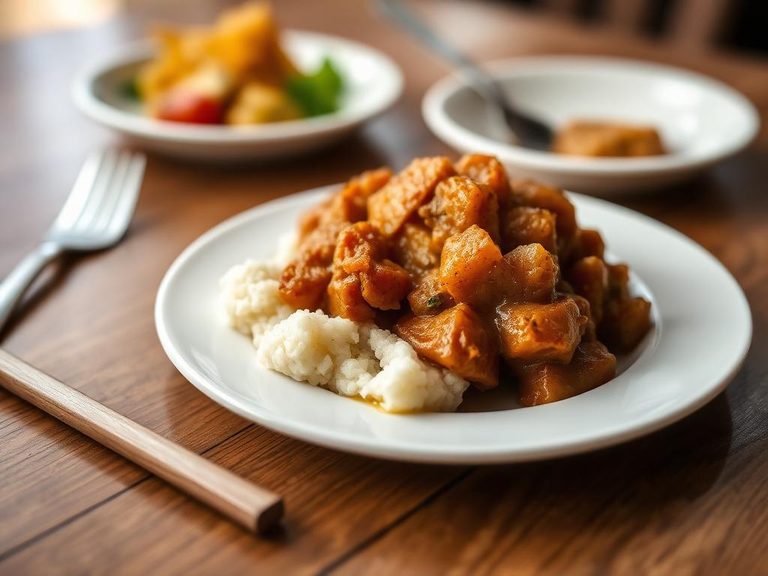
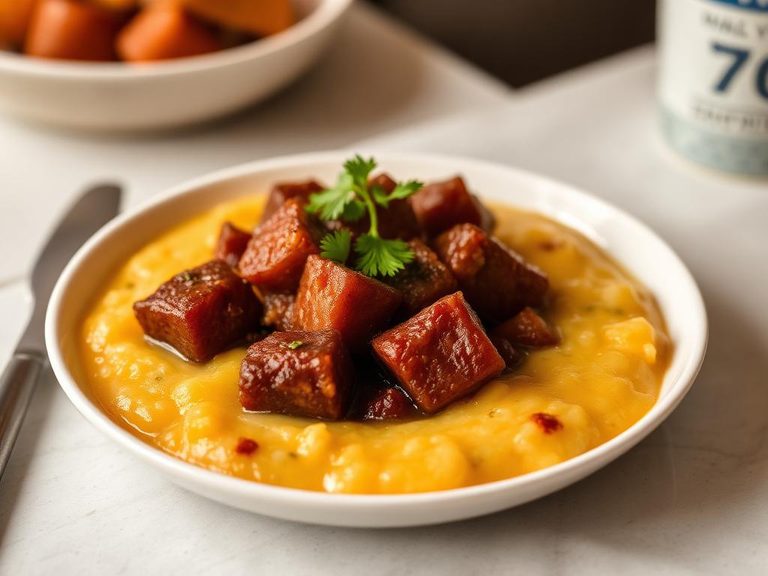
Fried yam (Dundun)
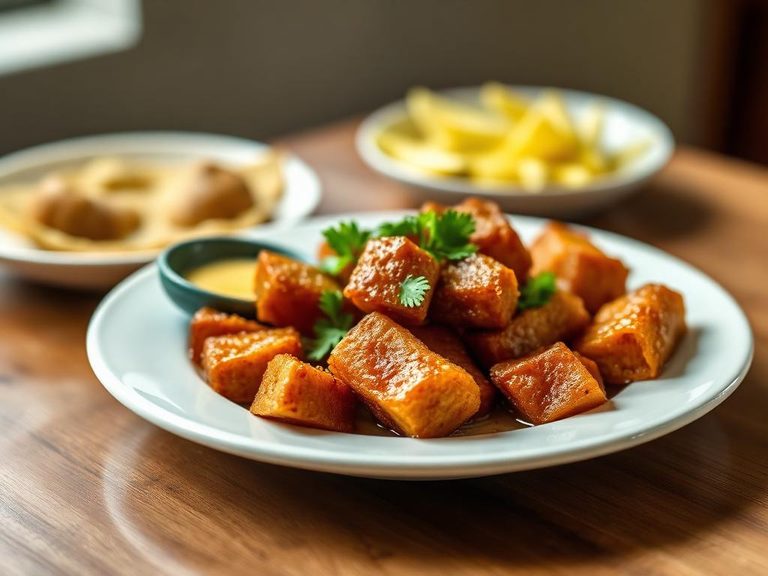
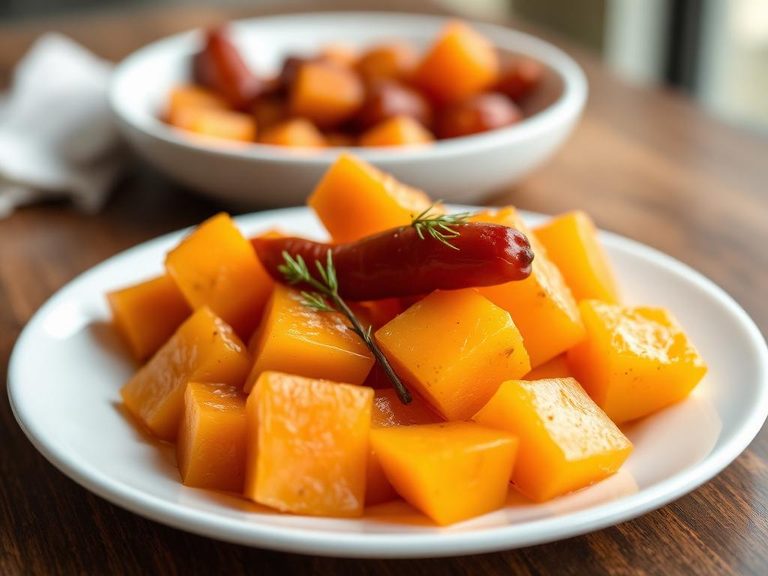
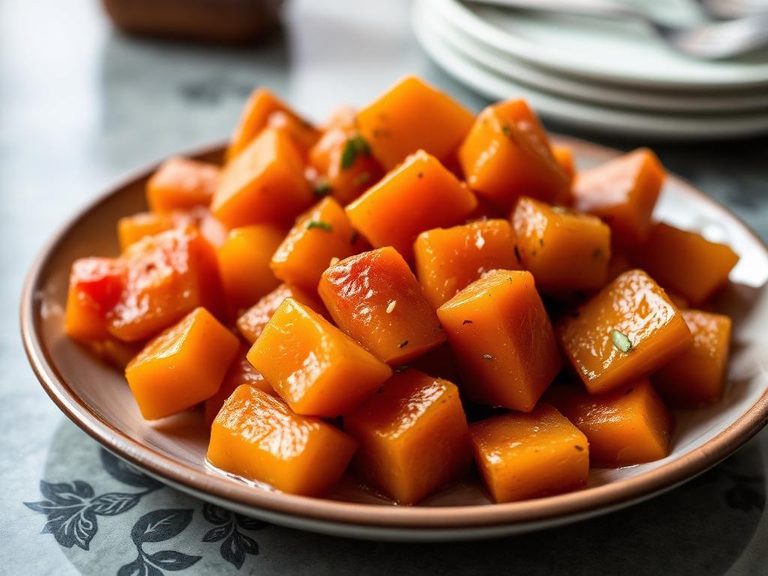
Fried yam, known as 'Dundun' in some regions, is a popular street food and snack made from chunks or slices of yam (a starchy root vegetable) deep-fried until golden and crispy on the outside while remaining soft and fluffy inside. It is commonly seasoned with salt, chili powder, or other spices, and is enjoyed across many cultures, particularly in West Africa, Southeast Asia, and parts of the Caribbean.
🍽️ Nutrition at a glance
As a starchy vegetable dish, fried yam is high in carbohydrates and provides a good source of dietary fiber, potassium, and vitamin C, with a rough calorie estimate of 200-300 calories per serving depending on portion size and oil absorption. The frying process adds some fat, making it a more energy-dense option compared to boiled or roasted yam.
Nutrition breakdown
| Calories | 210 kcal |
| Protein | 2.5 g |
| Carbs | 35 g |
| Fat | 8 g |
| Fiber | 4 g |
| Sugar | 1 g |
| Sodium | 300 mg |
| Potassium | 450 mg |
| Vitamin C | 12 mg |
| Manganese | 0.5 mg |
| Vitamin B6 | 0.3 mg |
| Magnesium | 25 mg |
| Phosphorus | 55 mg |
| Iron | 1.0 mg |
| Calcium | 20 mg |
Per 1 cup (150 g) · estimated, varies by recipe
💡 What's interesting
Yam is a culturally significant crop in many tropical regions, often associated with harvest festivals and communal eating, and its versatility allows it to be prepared in numerous ways—from frying to boiling—making it a staple in diverse cuisines. Nutritionally, yam contains resistant starch when cooled after cooking, which can support gut health, though frying may reduce this benefit.