Pickled lingcod liver
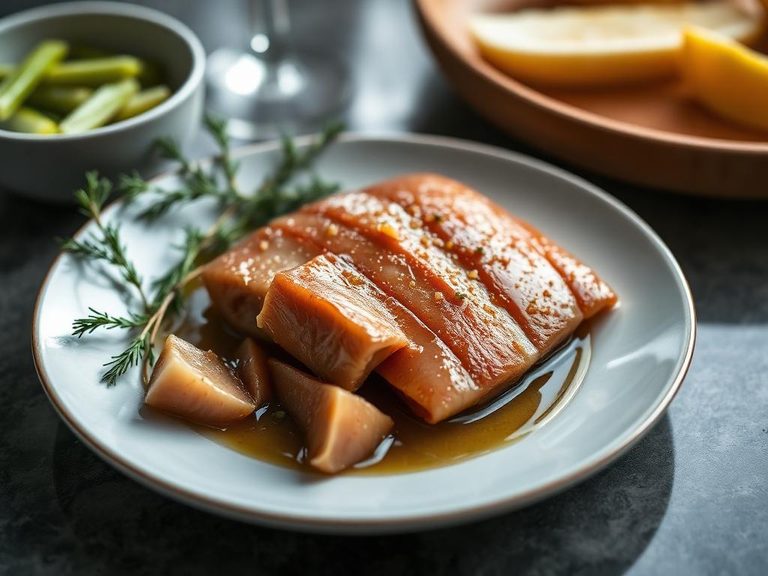
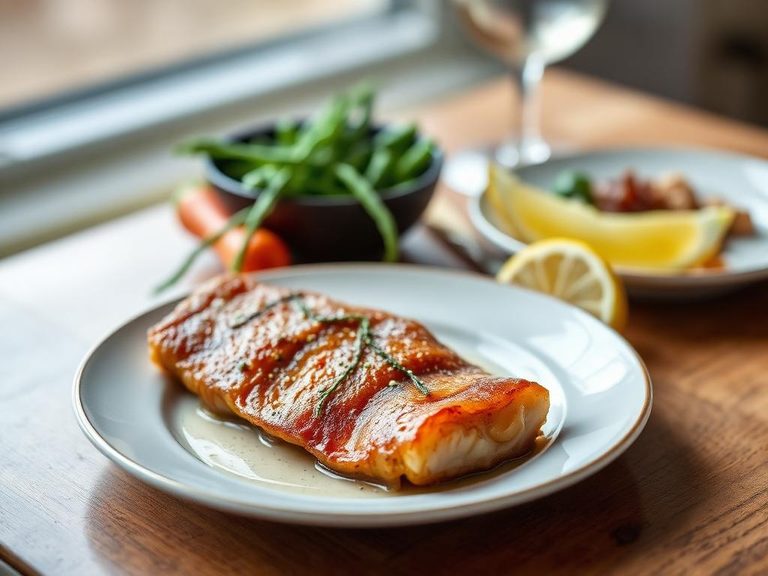
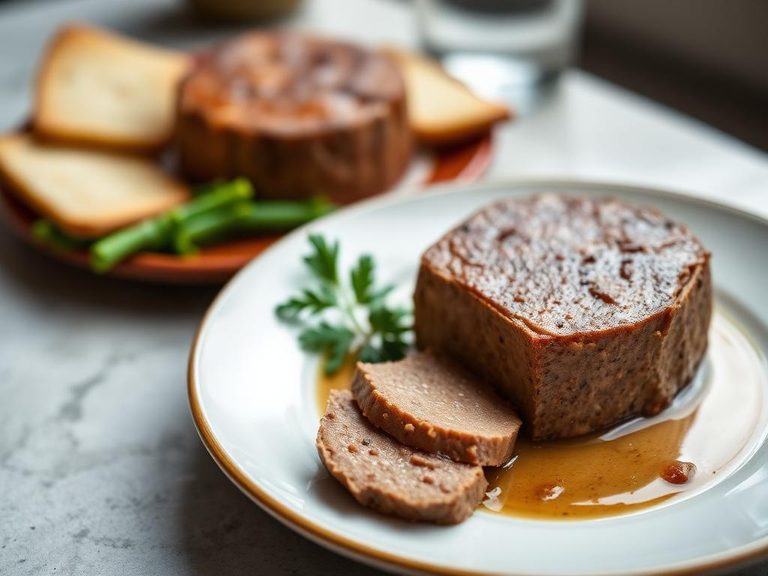
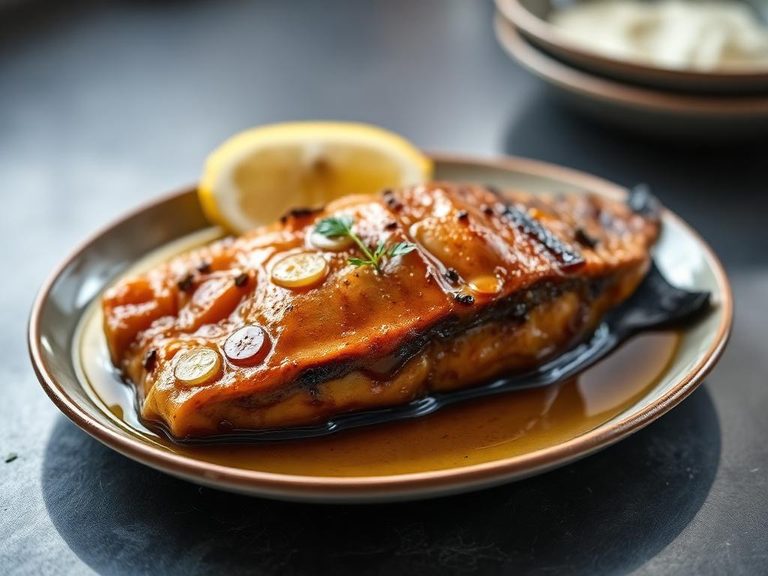
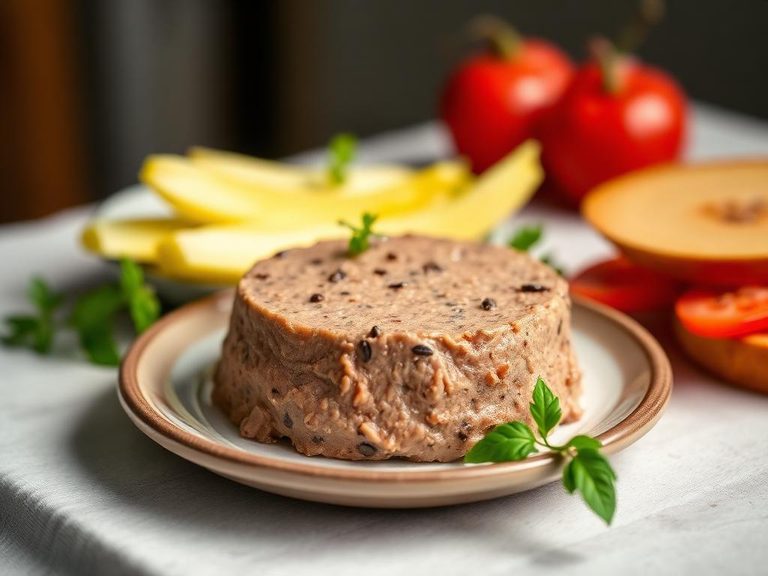
Pickled lingcod liver is a rich, creamy seafood delicacy from coastal Alaska and British Columbia, made by curing fresh lingcod liver in a brine of salt, vinegar, and often sugar or spices. The preparation transforms the liver into a smooth, savory treat with a texture sometimes compared to foie gras or uni. It is traditionally enjoyed as an appetizer or snack, reflecting the resourcefulness of Indigenous and coastal communities in utilizing every part of the catch.
🍽️ Nutrition at a glance
This dish is very high in fat and provides a substantial amount of protein, with negligible carbohydrates. It is an excellent source of vitamins A and D, as well as omega-3 fatty acids, and a typical serving contains roughly 200-250 calories.
Nutrition breakdown
| Calories | 220 kcal |
| Protein | 5 g |
| Carbs | 1 g |
| Fat | 22 g |
| Fiber | 0 g |
| Sugar | 0.5 g |
| Sodium | 450 mg |
| Vitamin A | 150% DV |
| Vitamin D | 100% DV |
| Vitamin B12 | 50% DV |
| Omega-3 (EPA+DHA) | 1500 mg |
| Selenium | 30% DV |
| Phosphorus | 15% DV |
| Copper | 20% DV |
| Choline | 10% DV |
Per 2 ounces (56 g) · estimated, varies by recipe
💡 What's interesting
Culturally, it represents a traditional method of preservation and a prized food in Pacific Northwest coastal cultures. Nutritionally, it's a powerhouse of fat-soluble vitamins and heart-healthy fats, but its high vitamin A content means it should be consumed in moderation.