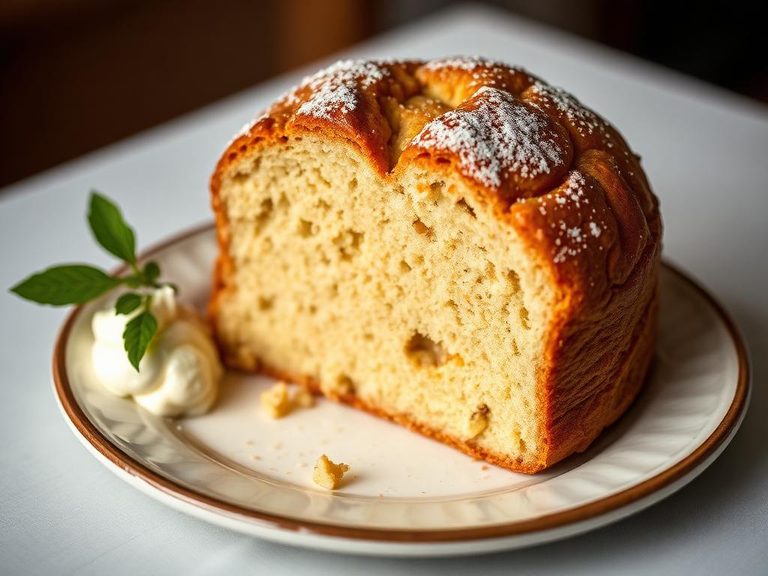
Panettone
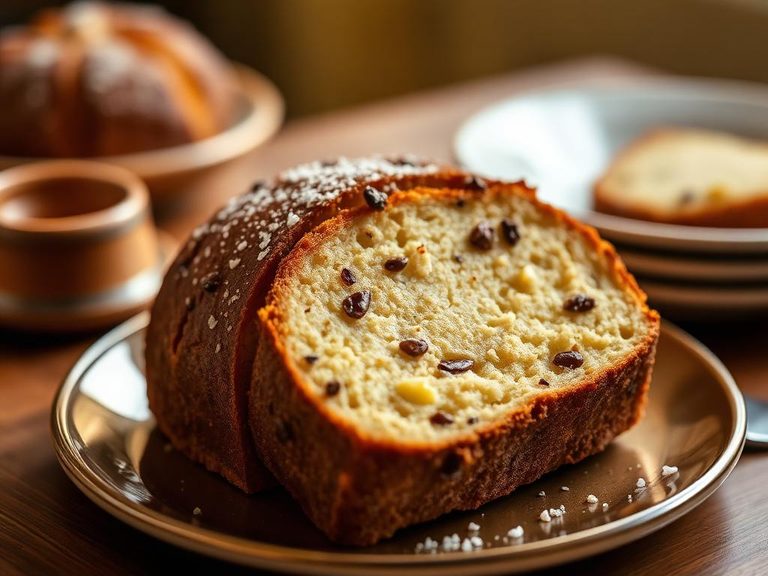
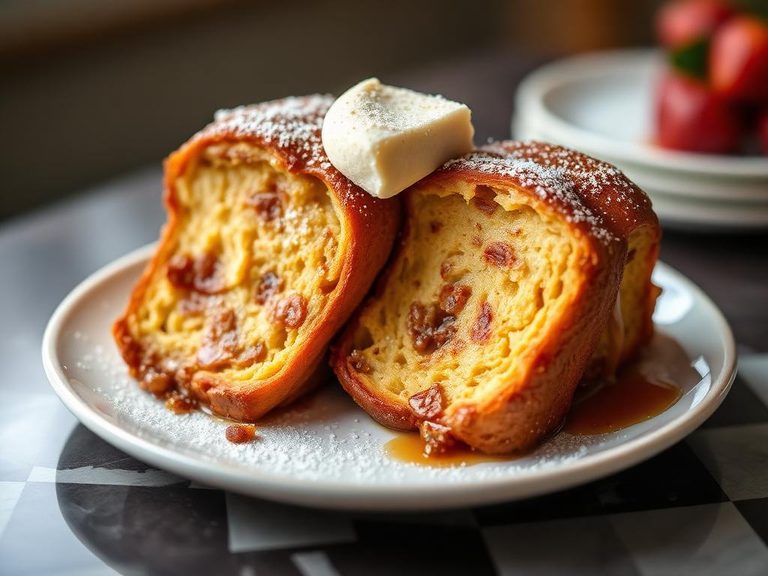
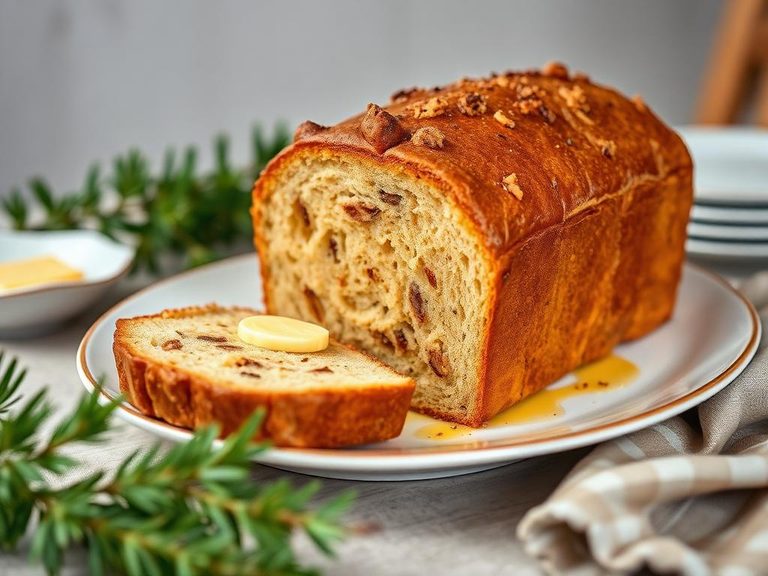
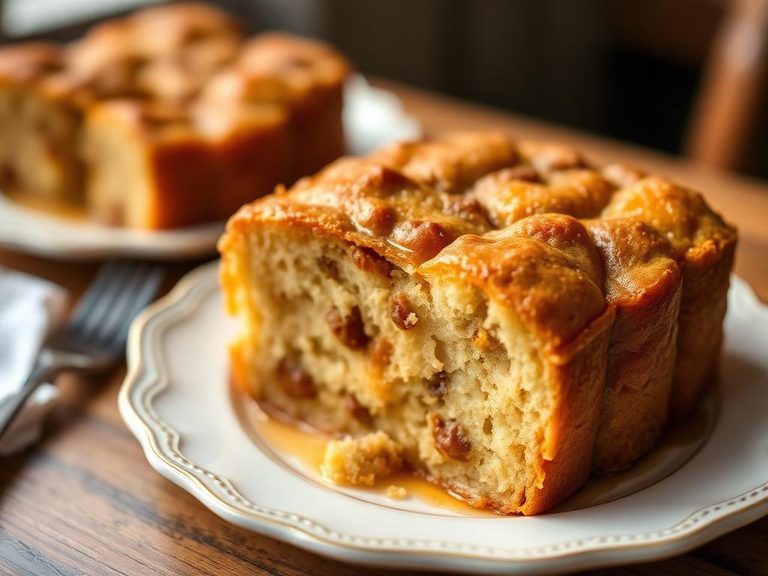
Panettone is a tall, dome-shaped Italian sweet bread traditionally enjoyed during Christmas and New Year's. Its light, airy texture is studded with candied citrus peel and raisins, and it often features a buttery, slightly sweet dough enriched with eggs. Originating in Milan, it has become a beloved holiday staple across Italy and around the world.
🍽️ Nutrition at a glance
Panettone is a high-carbohydrate food, with a moderate amount of fat from butter and eggs, and relatively low protein. A typical serving (about 100g) provides roughly 350-400 calories, along with some iron and B vitamins from the enriched dough.
Nutrition breakdown
| Calories | 350 kcal |
| Protein | 7 g |
| Carbs | 55 g |
| Fat | 12 g |
| Fiber | 1.5 g |
| Sugar | 30 g |
| Sodium | 200 mg |
| Potassium | 150 mg |
| Iron | 2.5 mg |
| Calcium | 80 mg |
| Magnesium | 20 mg |
| Phosphorus | 90 mg |
| Vitamin B1 (Thiamin) | 0.2 mg |
| Vitamin B2 (Riboflavin) | 0.15 mg |
| Folate | 60 µg |
Per 1 slice (approx. 100 g) · estimated, varies by recipe
💡 What's interesting
Culturally, panettone's tall, round shape is said to symbolize the dome of the Milan Cathedral. Nutritionally, its long, natural fermentation process can make it easier to digest compared to other rich breads, and the candied fruits add small amounts of fiber and antioxidants.