

Oatmeal Substitute
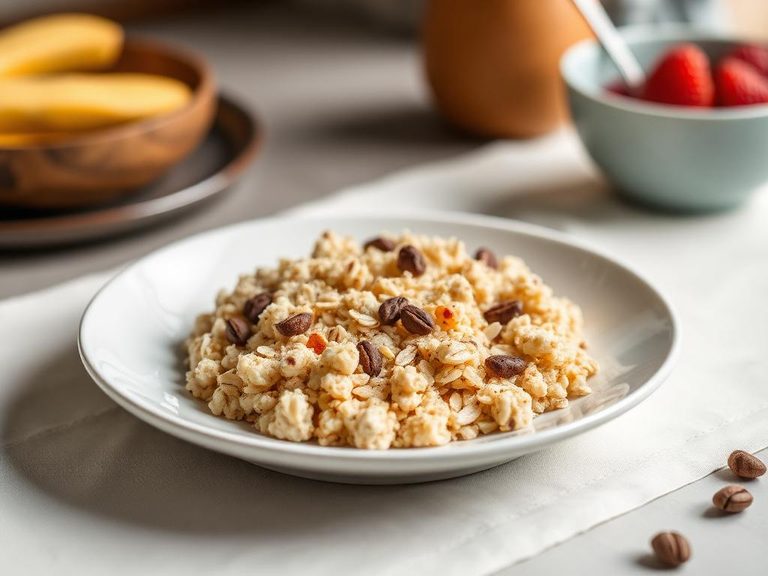
Oatmeal Substitute is a versatile, plant-based dish that replaces traditional rolled oats with a variety of grains, seeds, or legumes. Common ingredients include quinoa, buckwheat, chia seeds, or mashed banana, often cooked with plant-based milk or water. It's a global concept, popular in health-conscious kitchens from North America to Asia, offering a gluten-free or lower-carb alternative to classic oatmeal.
🍽️ Nutrition at a glance
This dish is typically moderate in carbohydrates and protein, with healthy fats depending on the base used. It's a good source of fiber, iron, and magnesium, with a calorie range of 150-300 kcal per serving, depending on the specific substitute and added toppings.
Nutrition breakdown
| Calories | 222 kcal |
| Protein | 8.1 g |
| Carbs | 39.4 g |
| Fat | 3.5 g |
| Fiber | 5.2 g |
| Sugar | 1.6 g |
| Sodium | 13 mg |
| Manganese | 1.2 mg |
| Magnesium | 118 mg |
| Phosphorus | 281 mg |
| Folate | 78 mcg |
| Iron | 2.8 mg |
| Copper | 0.4 mg |
| Thiamin (B1) | 0.2 mg |
| Potassium | 318 mg |
Per 1 cup (240 g) cooked quinoa-based substitute · estimated, varies by recipe
💡 What's interesting
Culturally, it reflects a modern dietary shift towards personalized nutrition and allergen-friendly eating. Nutritionally, using seeds like chia or hemp can significantly boost omega-3 fatty acid and complete protein content compared to traditional oats.
🍽️ Related dishes







AI estimate may be inaccurate · Terms