

Middle Eastern Kebab
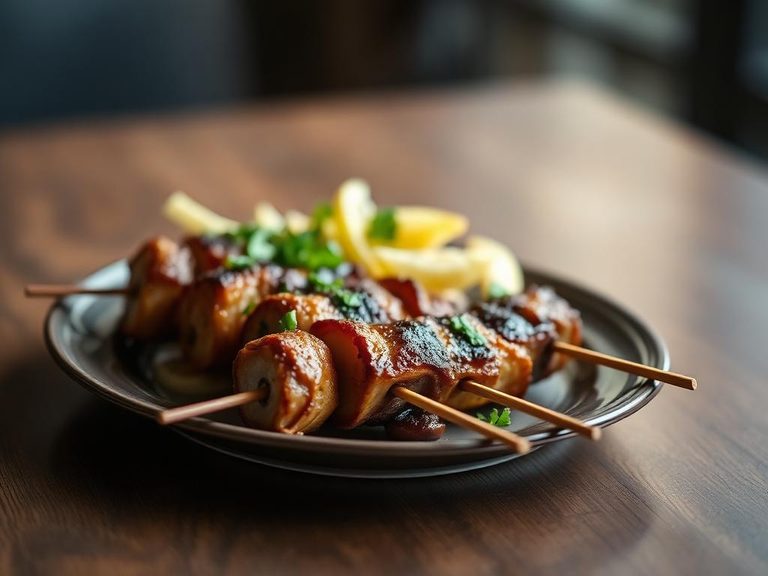
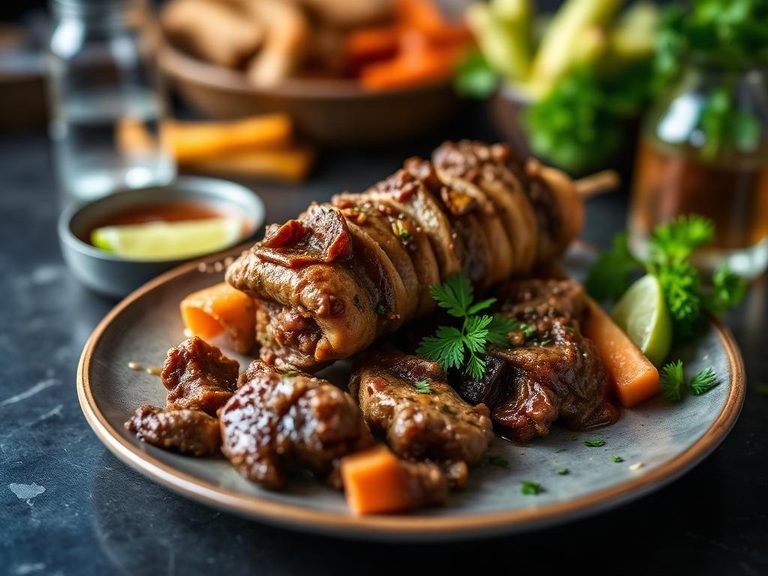
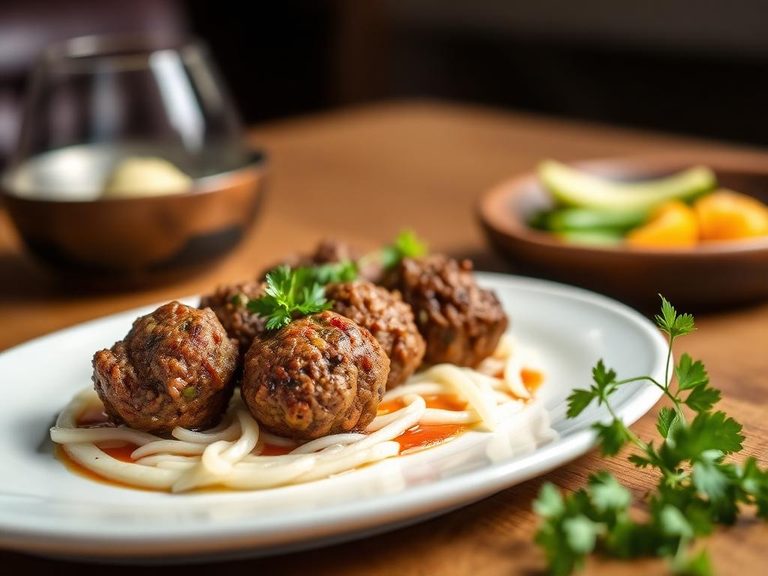
Middle Eastern kebab refers to a variety of grilled meat dishes, typically made from marinated lamb, beef, or chicken, often served with vegetables, rice, or flatbread. The meat is traditionally cooked on skewers over an open flame, which imparts a distinctive smoky flavor. This beloved dish is a staple across the Levant, Turkey, Iran, and the broader Middle East.
🍽️ Nutrition at a glance
Kebab is a high-protein dish, with a moderate to high fat content depending on the cut of meat and preparation. It is generally low in carbohydrates unless served with significant portions of rice or bread, and provides essential nutrients like iron, zinc, and B vitamins.
Nutrition breakdown
| Calories | 350 kcal |
| Protein | 30 g |
| Carbs | 10 g |
| Fat | 22 g |
| Fiber | 2 g |
| Sugar | 3 g |
| Sodium | 480 mg |
| Iron | 3.5 mg |
| Zinc | 6 mg |
| Vitamin B12 | 2.8 mcg |
| Niacin (B3) | 8 mg |
| Phosphorus | 250 mg |
| Potassium | 400 mg |
| Selenium | 35 mcg |
| Vitamin B6 | 0.6 mg |
Per 1 kebab skewer with accompaniments (approx. 200 g) · estimated, varies by recipe
💡 What's interesting
The kebab is not just food but a cultural centerpiece, often associated with communal gatherings, hospitality, and celebration. Nutritionally, the combination of high-quality protein and spices like turmeric, cumin, and garlic offers both satiety and potential anti-inflammatory benefits.
🍽️ Related dishes
AI estimate may be inaccurate · Terms