Melted as a filling for homemade protein bars
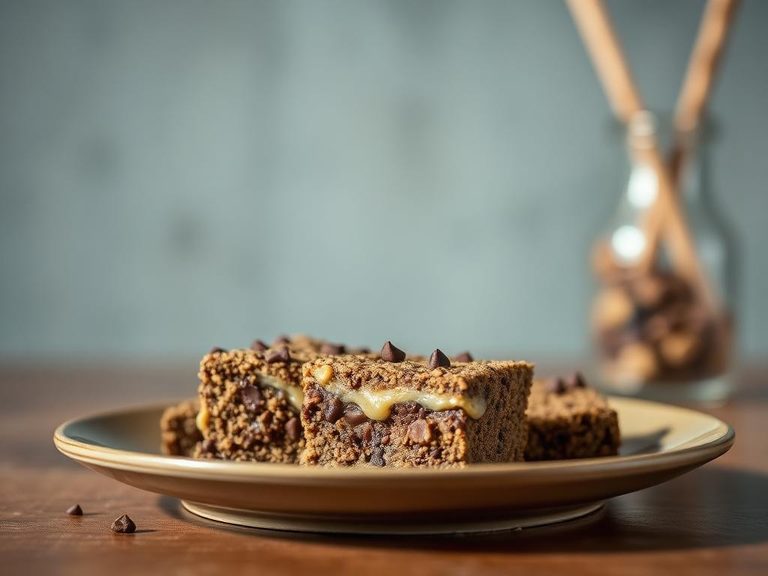
This refers to using melted chocolate or nut butter as a binding and flavoring filling inside homemade protein bars. The melted component is typically mixed with protein powder, oats, and other dry ingredients to create a cohesive, chewy texture. It's a popular DIY fitness snack concept found globally in home kitchens.
🍽️ Nutrition at a glance
The final bar's nutrition depends heavily on the base ingredients, but the melted filling itself (like chocolate or nut butter) is typically high in fat and calories, providing energy and a creamy mouthfeel. It contributes minimal protein unless a protein-rich base like Greek yogurt or nut butter is used.
Nutrition breakdown
| Calories | 210 kcal |
| Protein | 18 g |
| Carbs | 22 g |
| Fat | 7 g |
| Fiber | 4 g |
| Sugar | 10 g |
| Sodium | 120 mg |
| Potassium | 280 mg |
| Iron | 3.5 mg |
| Magnesium | 60 mg |
| Phosphorus | 180 mg |
| Zinc | 2.5 mg |
| Vitamin B6 | 0.3 mg |
| Vitamin B12 | 0.5 mcg |
| Copper | 0.3 mg |
Per 1 bar (60 g) · estimated, varies by recipe
💡 What's interesting
The technique of using a melted, sticky binder is a clever culinary hack to transform dry, powdery protein supplements into a palatable, portable snack without baking. It allows for endless customization of flavors and textures, making personalized nutrition accessible at home.
🍽️ Related dishes
 Nacho-style chips with melted cheese and jalapeños
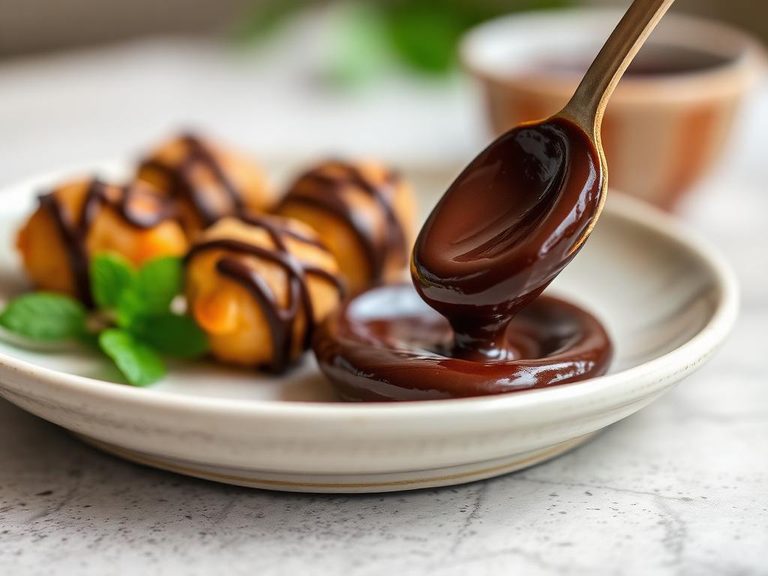 Dipped in melted chocolate
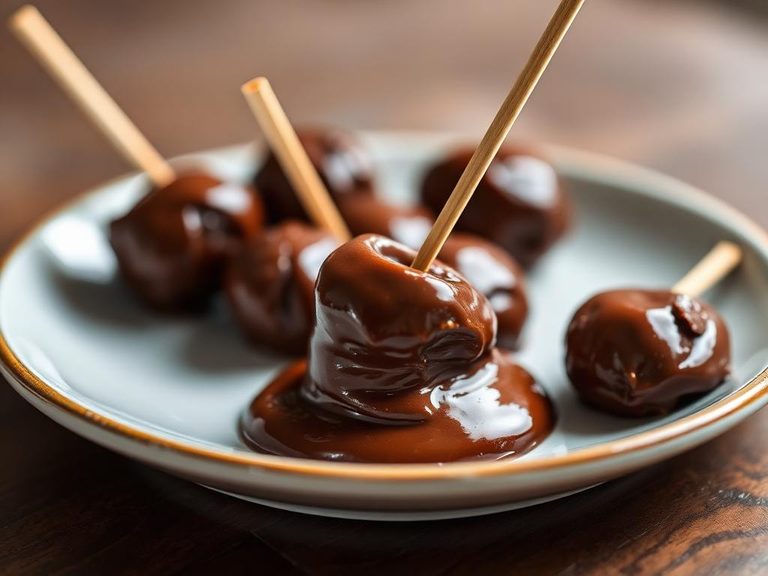 Dipped in Melted Chocolate or Almond Butter
 Crumpet-style with melted cheese
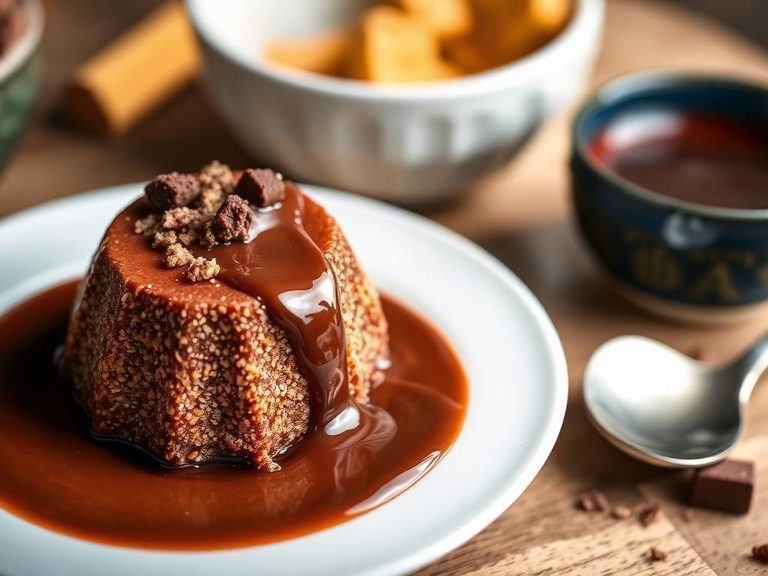 Melted into a chocolate-nougat sauce for desserts
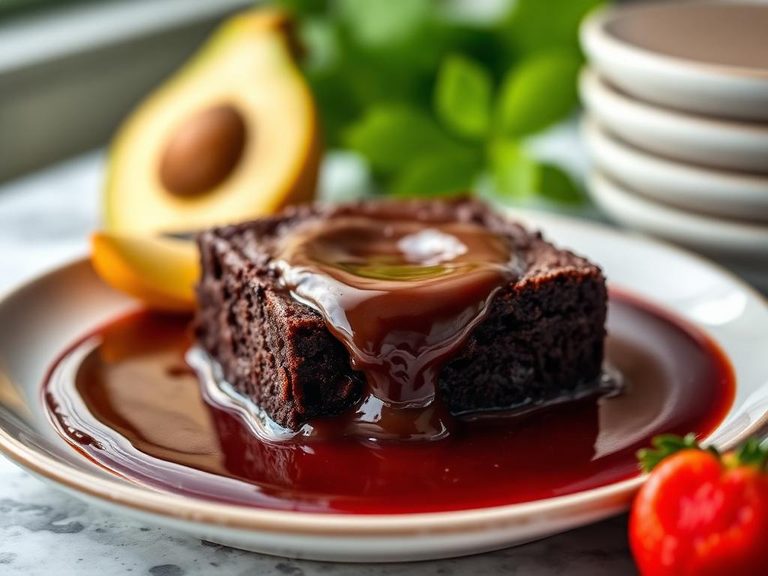 Melted into a sauce for brownies or cakes
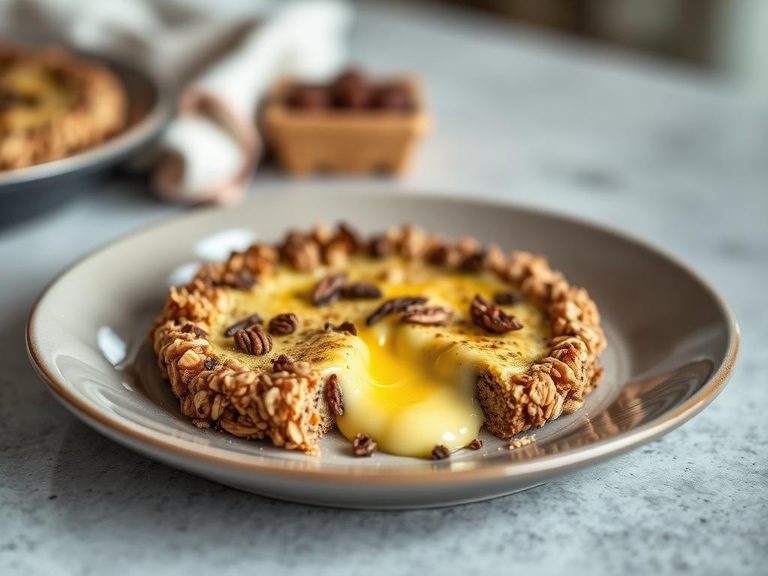 Melted and pressed into a homemade granola crust
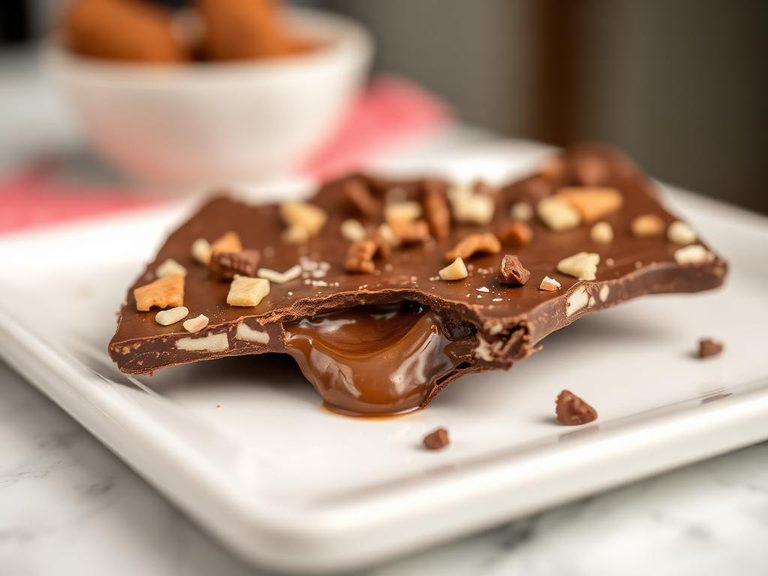 Melted into a chocolate bark