

Junket Rennet Custard
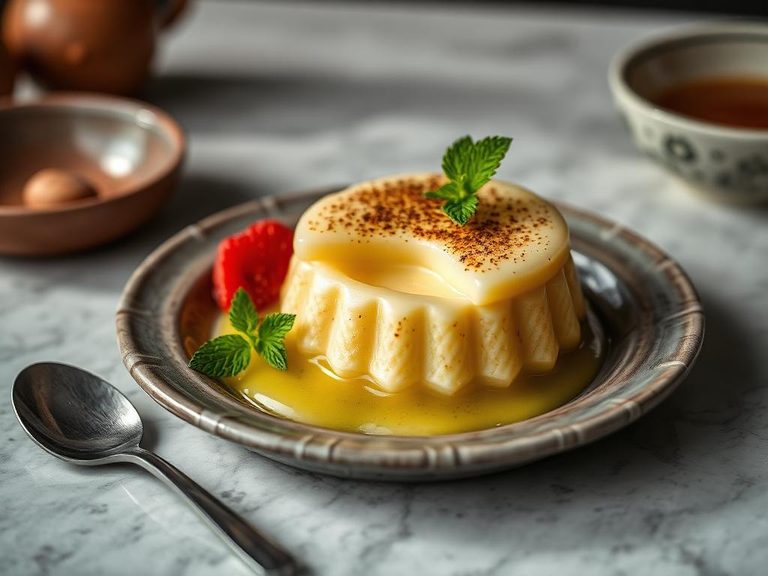
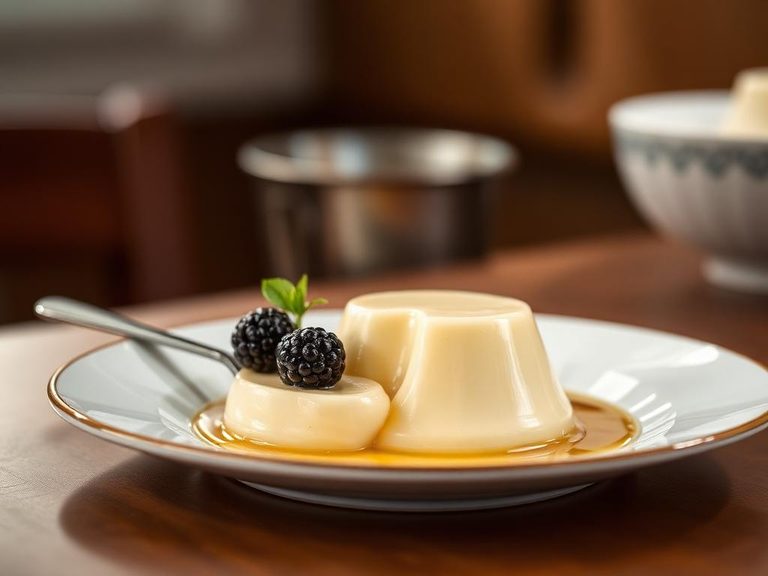
Junket Rennet Custard is a simple, delicate dessert made by setting warm milk with rennet, an enzyme traditionally sourced from calf stomachs, and often flavored with vanilla or nutmeg. It has historical roots in European and American home cooking, particularly popular in the 19th and early 20th centuries as an easy, no-bake custard.
🍽️ Nutrition at a glance
This dish is primarily a source of protein and fat from the milk, with a moderate amount of carbohydrates if sugar is added. A typical serving provides calcium and some B vitamins, with a calorie range of approximately 150-200 kcal.
Nutrition breakdown
| Calories | 180 kcal |
| Protein | 8 g |
| Carbs | 14 g |
| Fat | 10 g |
| Fiber | 0 g |
| Sugar | 13 g |
| Sodium | 100 mg |
| Calcium | 280 mg |
| Phosphorus | 200 mg |
| Vitamin A | 90 mcg RAE |
| Vitamin B12 | 1.0 mcg |
| Riboflavin (B2) | 0.3 mg |
| Potassium | 350 mg |
| Selenium | 6 mcg |
| Zinc | 1.2 mg |
Per 1 cup (240 g) · estimated, varies by recipe
💡 What's interesting
Nutritionally unique because the rennet enzyme sets the milk's casein protein into a gel without cooking, preserving some heat-sensitive nutrients. Culturally, it represents a historical bridge between simple milk puddings and more complex baked custards, often served as a light, comforting supper dish in older cookbooks.
🍽️ Related dishes



AI estimate may be inaccurate · Terms