

Junket
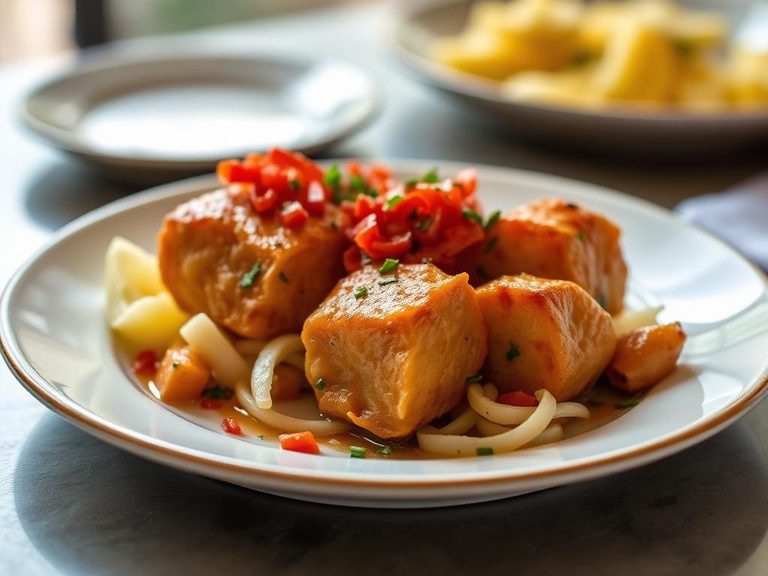
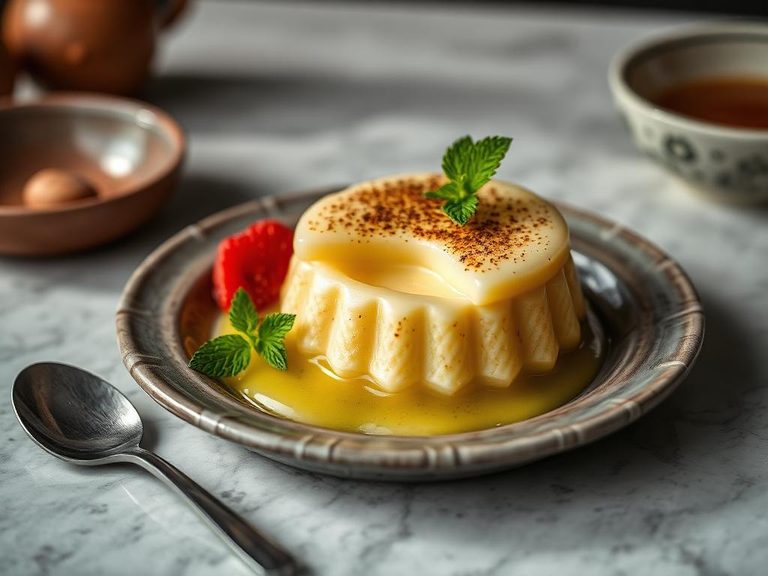
Junket is a traditional, sweet, semi-solid dessert similar to a delicate custard or panna cotta, made by setting milk with the enzyme rennet and flavoring it with sugar and vanilla. It is a classic dish in American and European cuisine, often served chilled in individual glasses or bowls. The texture is uniquely soft, wobbly, and creamy, distinguishing it from gelatin-set puddings.
🍳 View the full Junket recipe →
🍽️ Nutrition at a glance
Junket is a moderate-calorie dessert, typically providing around 150-200 calories per serving, with a nutritional profile that is relatively high in carbohydrates from added sugar and contains moderate fat and protein from the milk base. It offers calcium and some B vitamins, but its primary nutritional value is as a light, sweet treat rather than a nutrient-dense food.
Nutrition breakdown
| Calories | 165 kcal |
| Protein | 4.5 g |
| Carbs | 22 g |
| Fat | 7 g |
| Fiber | 0 g |
| Sugar | 18 g |
| Sodium | 120 mg |
| Calcium | 200 mg |
| Phosphorus | 150 mg |
| Vitamin A | 300 IU |
| Riboflavin (B2) | 0.2 mg |
| Vitamin B12 | 0.5 mcg |
| Potassium | 250 mg |
| Magnesium | 25 mg |
| Zinc | 0.7 mg |
Per 1 cup (240 g) · estimated, varies by recipe
💡 What's interesting
What makes Junket unique is its use of rennet, the same enzyme traditionally used in cheese-making, to gently set the milk, resulting in a texture that is more fragile and melt-in-the-mouth than gelatin-based desserts. Its popularity peaked in the mid-20th century, often marketed as a wholesome, easy-to-digest food for children and the elderly.
🍽️ Related dishes
AI estimate may be inaccurate · Terms