

Human milk cheese
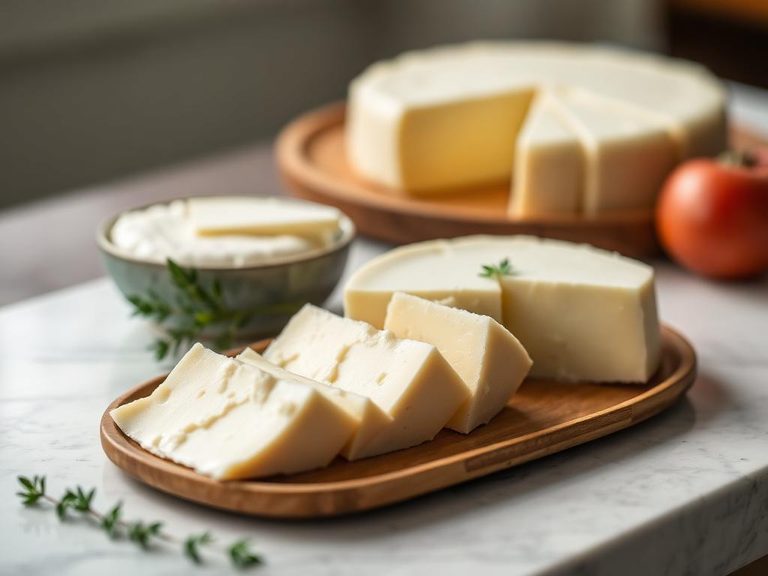
Human milk cheese, also known as 'bebe cheese' or 'human cheese,' is a niche, artisanal product made from donated human breast milk. The process involves curdling the milk, typically with rennet, and aging it, similar to traditional cheese-making, though it is not a widely commercialized food item.
🍽️ Nutrition at a glance
As a cheese, it is primarily a source of fat and protein, with a relatively low carbohydrate content. It provides essential nutrients like calcium, vitamin A, and various fatty acids important for infant development, with a calorie count comparable to other soft cheeses.
Nutrition breakdown
| Calories | 90 kcal |
| Protein | 5 g |
| Carbs | 2 g |
| Fat | 7 g |
| Fiber | 0 g |
| Sugar | 1 g |
| Sodium | 45 mg |
| Calcium | 120 mg |
| Vitamin A | 70 mcg |
| Potassium | 100 mg |
| Phosphorus | 60 mg |
| Vitamin D | 1.0 mcg |
| Vitamin B12 | 0.1 mcg |
| Zinc | 0.4 mg |
| Selenium | 2.0 mcg |
Per 1 ounce (28 g) · estimated, varies by recipe
💡 What's interesting
This cheese is culturally unique as it recontextualizes a substance exclusively for infant nutrition into a gourmet product, sparking discussions about food ethics, resource allocation, and the boundaries of culinary experimentation.
🍽️ Related dishes




AI estimate may be inaccurate · Terms