

Homemade candy bar recipes

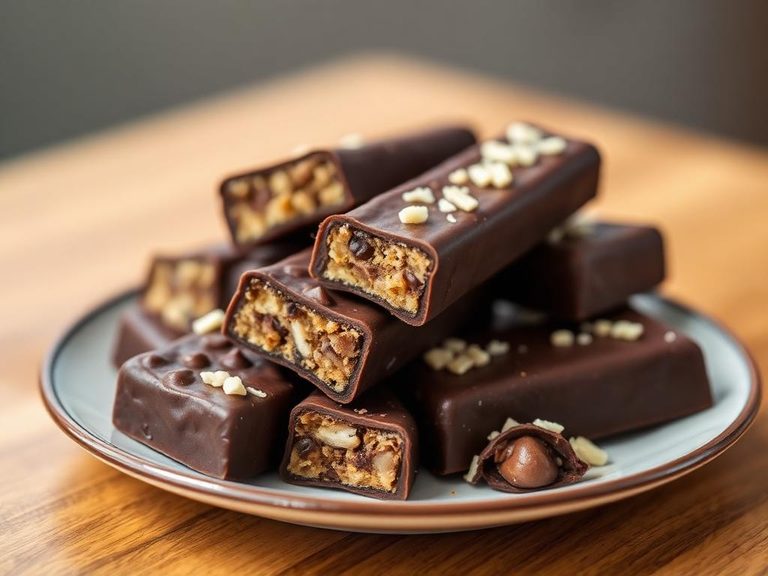
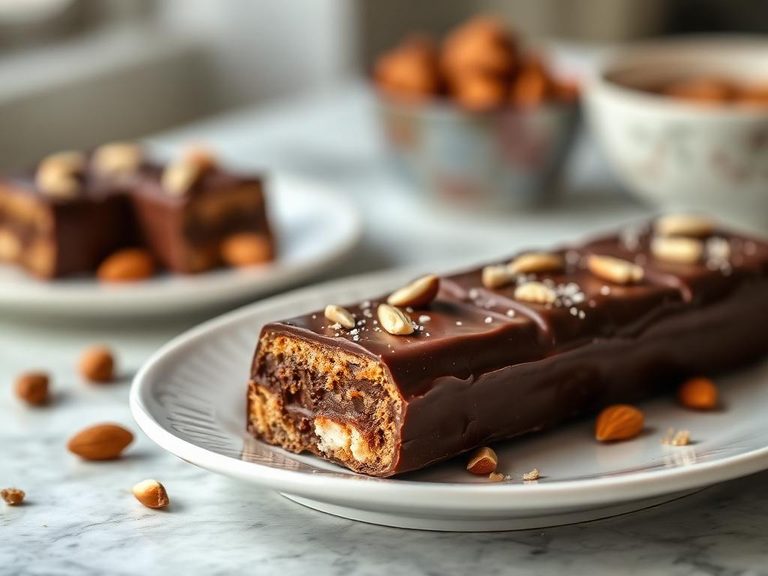
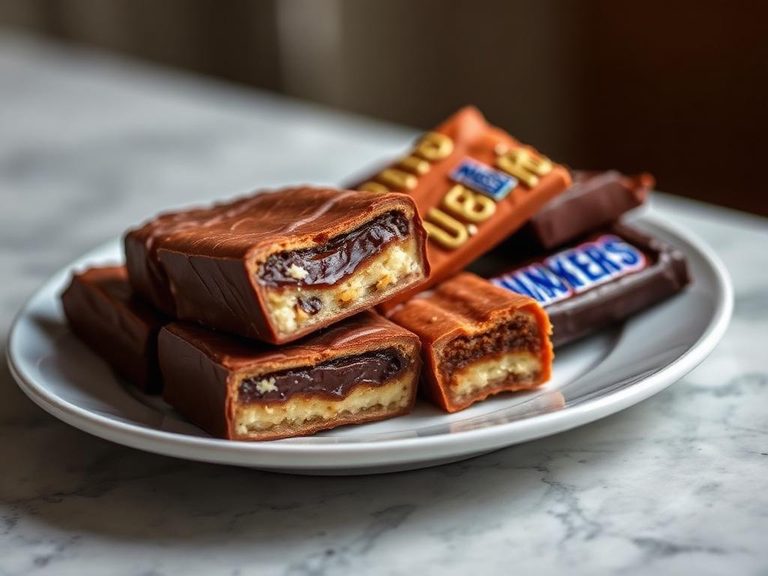
Homemade candy bars are customizable confections made by layering ingredients like chocolate, caramel, nougat, nuts, and dried fruits in a mold or pan. They are a popular DIY treat in many Western countries, particularly the United States, where they are often inspired by classic commercial brands but allow for personal creativity. The process typically involves melting chocolate, preparing fillings, and assembling the layers before chilling to set.
🍳 View the full Homemade candy bar recipes recipe →
🍽️ Nutrition at a glance
These treats are generally high in fat and carbohydrates, with moderate protein if nuts or nut butters are included. A single homemade candy bar (around 50-60g) can range from 250 to 350 calories, providing quick energy but limited essential nutrients beyond fats and sugars.
Nutrition breakdown
| Calories | 280 kcal |
| Protein | 4 g |
| Carbs | 32 g |
| Fat | 16 g |
| Fiber | 2 g |
| Sugar | 24 g |
| Sodium | 80 mg |
| Calcium | 50 mg |
| Iron | 1.5 mg |
| Magnesium | 30 mg |
| Phosphorus | 80 mg |
| Potassium | 120 mg |
| Vitamin A | 10 mcg |
| Vitamin C | 1 mg |
| Vitamin E | 1.5 mg |
Per 1 bar (60 g) · estimated, varies by recipe
💡 What's interesting
Homemade candy bars reflect a growing trend of 'food hacking' and DIY culture, where people recreate or innovate on commercial snacks for better ingredient control or personal taste. Nutritionally, they can be tailored to include healthier fats, less sugar, or added protein, making them a flexible option for those seeking a balance between indulgence and mindful eating.
🍽️ Related dishes



AI estimate may be inaccurate · Terms