Groundhog Jerky
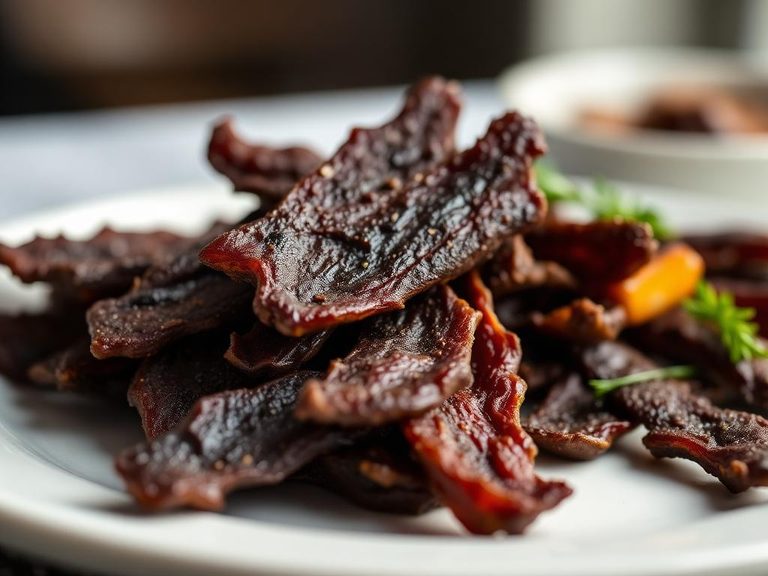
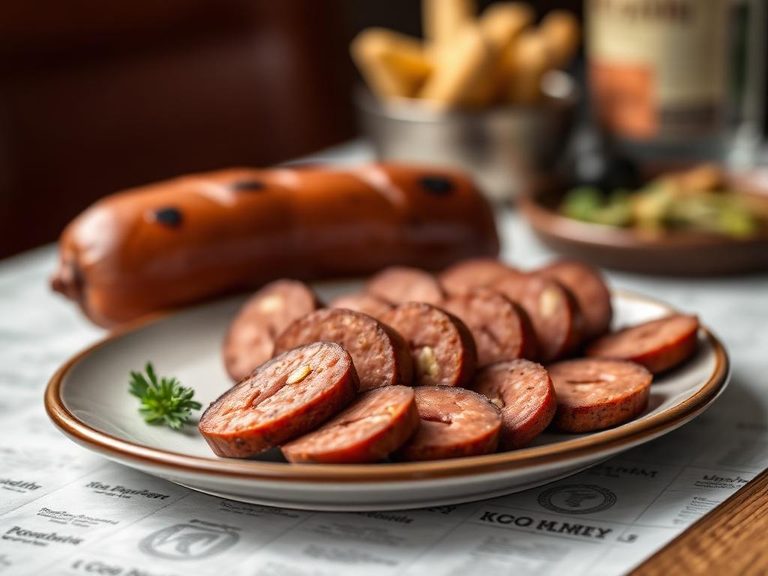
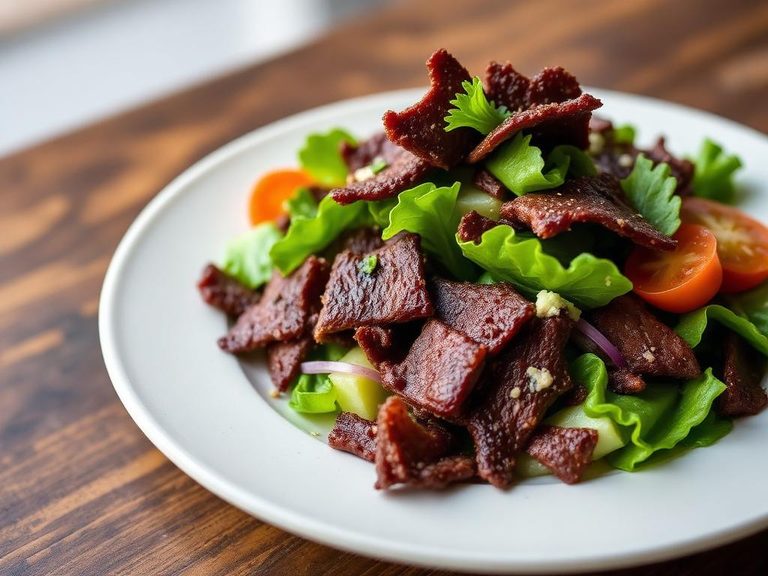
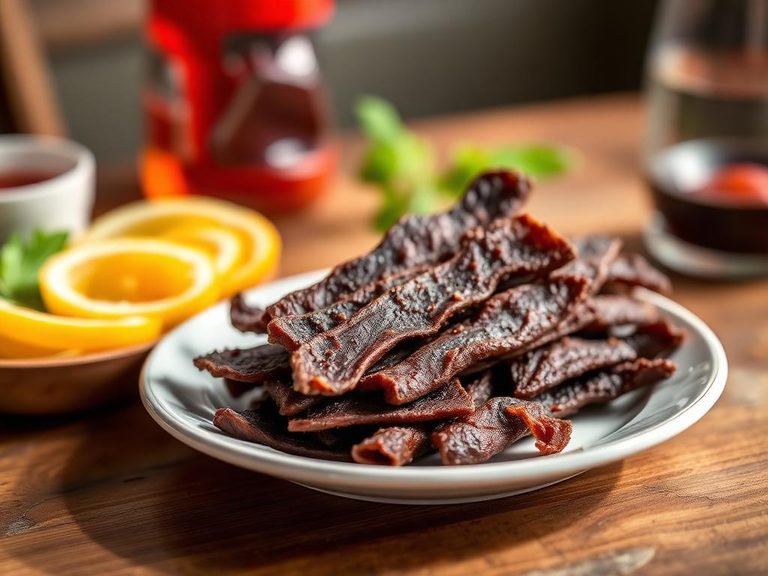
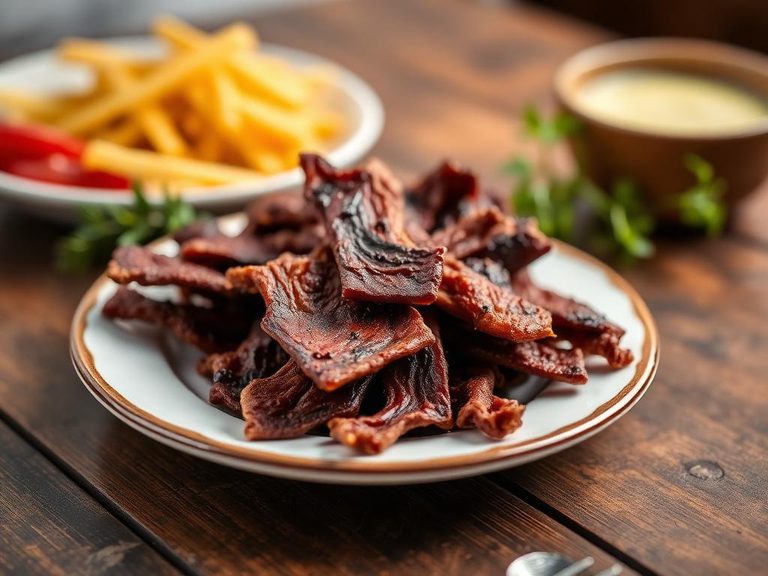
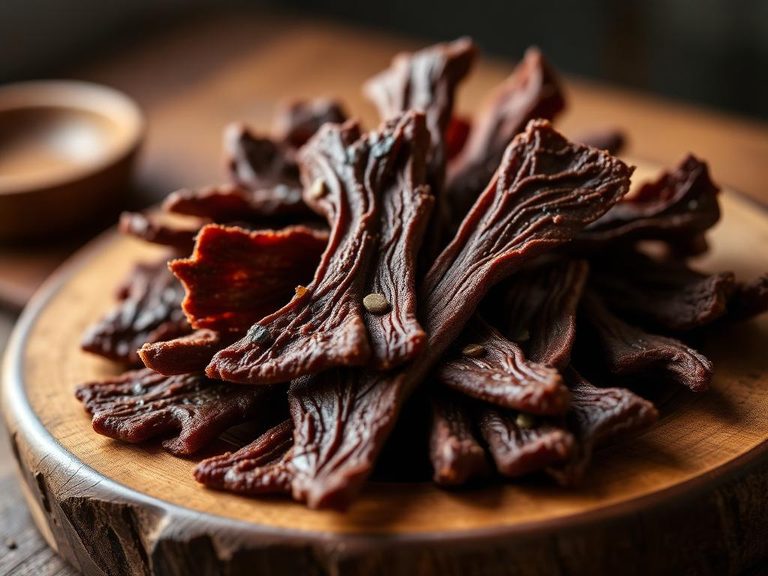
Groundhog jerky is a traditional North American preserved meat snack made from the lean muscle of groundhogs (woodchucks), typically marinated and dried. It is most commonly associated with rural Appalachian and Pennsylvania Dutch communities, where groundhogs were historically a common source of wild game. The preparation involves slicing the meat thin, curing it with salt and spices, and then dehydrating it for long-term storage.
🍽️ Nutrition at a glance
Groundhog jerky is an extremely high-protein, very low-carbohydrate food, with minimal fat if prepared traditionally. A typical serving provides a significant amount of iron, zinc, and B vitamins, with a calorie count primarily from protein, roughly 100-150 kcal per ounce (28g).
Nutrition breakdown
| Calories | 120 kcal |
| Protein | 24 g |
| Carbs | 1 g |
| Fat | 2 g |
| Fiber | 0 g |
| Sugar | 0 g |
| Sodium | 480 mg |
| Iron | 2.5 mg |
| Zinc | 4.2 mg |
| Potassium | 280 mg |
| Phosphorus | 220 mg |
| Niacin (B3) | 6 mg |
| Vitamin B12 | 1.5 mcg |
| Selenium | 18 mcg |
| Sodium | 480 mg |
Per 1 ounce (28 g) · estimated, varies by recipe
💡 What's interesting
Culturally, groundhog jerky represents a form of self-sufficient, foraged foodways in regions where the groundhog is abundant. Nutritionally, it is a remarkably dense source of complete protein and minerals like selenium and phosphorus, often surpassing many commercial beef jerky products in nutrient density per gram.