

Fukujinzuke
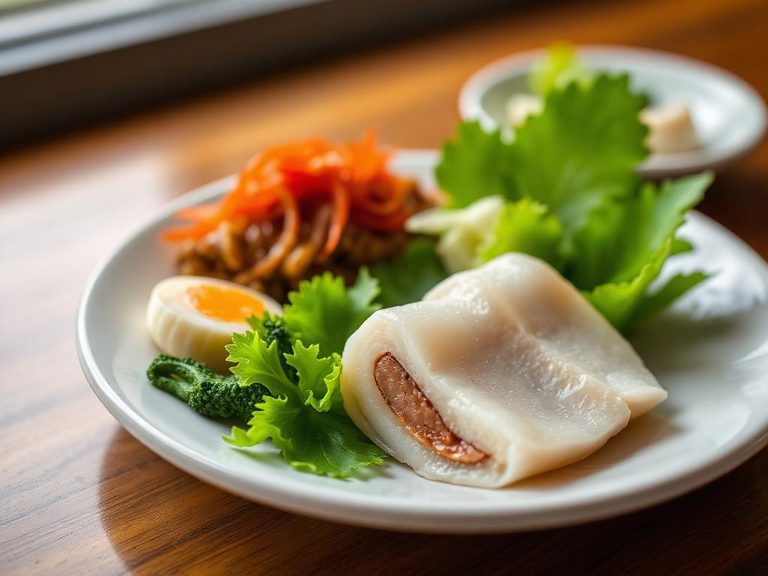
Fukujinzuke is a classic Japanese condiment consisting of finely diced, pickled vegetables. It typically includes ingredients like daikon radish, cucumber, eggplant, and lotus root, all preserved in a savory-sweet soy sauce and sugar-based brine. It is a staple side dish, most famously served alongside Japanese curry rice.
🍽️ Nutrition at a glance
This dish is generally low in calories, fat, and protein, with most of its energy coming from carbohydrates, primarily sugars from the pickling liquid. It is a significant source of sodium and provides small amounts of minerals like potassium from the vegetables.
Nutrition breakdown
| Calories | 30 kcal |
| Protein | 1 g |
| Carbs | 6 g |
| Fat | 0 g |
| Fiber | 1 g |
| Sugar | 5 g |
| Sodium | 620 mg |
| Potassium | 80 mg |
| Vitamin K | 3 mcg |
| Manganese | 0.1 mg |
| Copper | 0.03 mg |
| Vitamin B6 | 0.02 mg |
| Iron | 0.3 mg |
| Folate | 8 mcg |
| Magnesium | 5 mg |
Per 1/4 cup (56 g) · estimated, varies by recipe
💡 What's interesting
Its name, which translates to 'Buddha's lucky vegetables,' reflects its traditional association with temple cuisine and auspicious occasions. Nutritionally, its high sodium content acts as a natural preservative, while the fermented vegetables can offer probiotic benefits for gut health.
AI estimate may be inaccurate · Terms