Concha
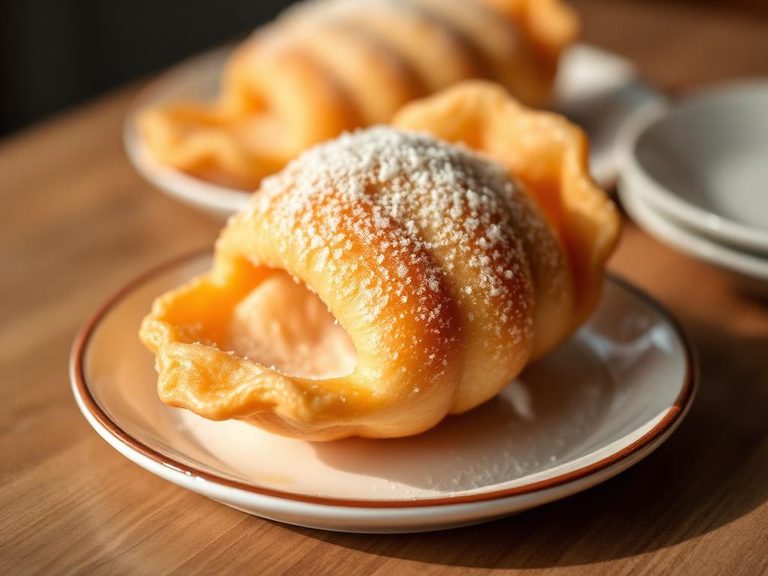
Concha is a beloved Mexican sweet bread, or pan dulce, instantly recognizable by its shell-like sugar topping that cracks during baking. The soft, fluffy base is typically made from wheat flour, eggs, butter, and sugar, while the signature crunchy topping is a paste of sugar, flour, and butter, often tinted pink, yellow, or white. Originating in Mexico, it's a staple of local bakeries and a cherished part of the country's breakfast and merienda (snack) culture.
🍽️ Nutrition at a glance
As a sweet bread, concha is high in carbohydrates from both the flour and sugar topping, with a moderate amount of fat from butter and eggs. It provides quick energy but is low in protein and fiber, and a single concha typically contains around 250-350 calories.
Nutrition breakdown
| Calories | 360 kcal |
| Protein | 6 g |
| Carbs | 52 g |
| Fat | 14 g |
| Fiber | 1.5 g |
| Sugar | 24 g |
| Sodium | 220 mg |
| Iron | 2.5 mg |
| Calcium | 60 mg |
| Potassium | 100 mg |
| Thiamin (B1) | 0.2 mg |
| Riboflavin (B2) | 0.15 mg |
| Niacin (B3) | 1.8 mg |
| Folate | 40 µg |
| Phosphorus | 80 mg |
Per 1 concha (100 g) · estimated, varies by recipe
💡 What's interesting
The name 'concha' directly references its seashell shape, a design that's both decorative and functional, as the scored topping expands to create the signature cracks. Nutritionally, it's a classic example of an energy-dense, celebratory food, often enjoyed with coffee or hot chocolate, symbolizing comfort and tradition rather than everyday nutrition.