Classic American breakfast hash browns
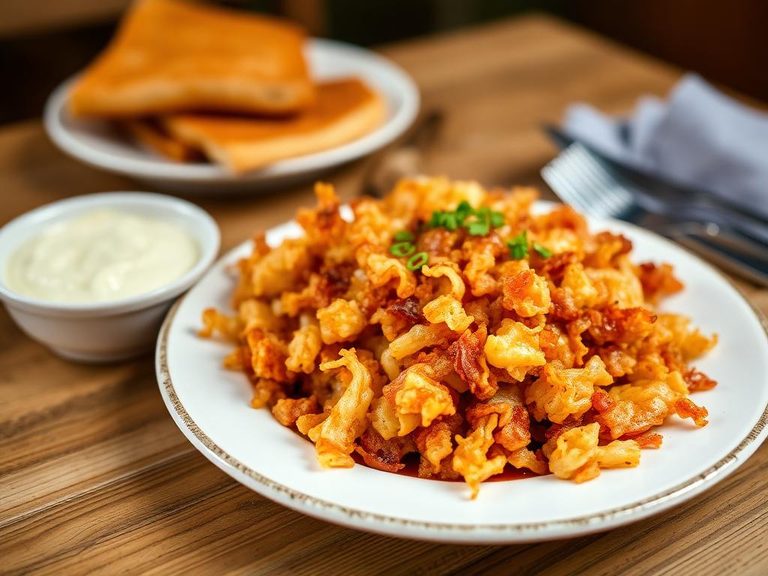
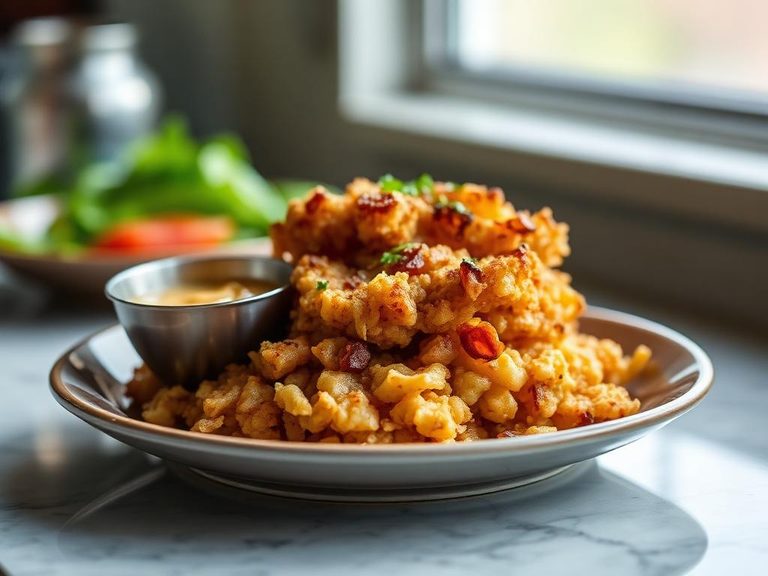
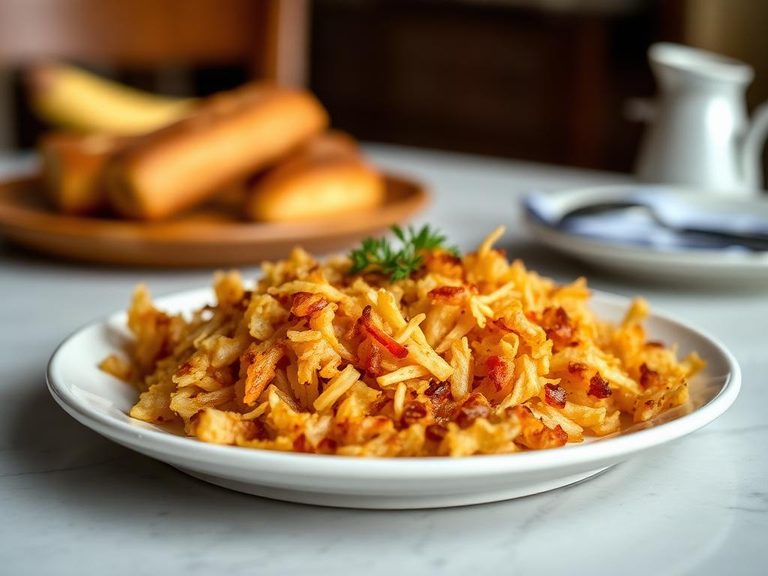
Classic American breakfast hash browns are a beloved staple made from grated or diced potatoes, typically pan-fried until crispy and golden on the outside while remaining tender inside. Originating in the United States, they are a cornerstone of diner-style breakfasts, often served alongside eggs, bacon, and toast. The dish is celebrated for its comforting texture and ability to absorb flavors from butter, oil, or seasonings.
🍽️ Nutrition at a glance
Hash browns are high in carbohydrates from the potatoes, with a moderate amount of fat depending on the cooking method (like butter or oil used), and minimal protein. They provide key nutrients such as potassium, vitamin C, and some dietary fiber, especially if made with skin-on potatoes. A typical serving of about 1 cup (150g) can range from 200 to 350 calories, largely influenced by the amount of fat used during frying.
Nutrition breakdown
| Calories | 250 kcal |
| Protein | 3 g |
| Carbs | 30 g |
| Fat | 14 g |
| Fiber | 2 g |
| Sugar | 1 g |
| Sodium | 450 mg |
| Potassium | 450 mg |
| Vitamin C | 10 mg |
| Vitamin B6 | 0.3 mg |
| Niacin (B3) | 2 mg |
| Folate | 30 mcg |
| Iron | 1.5 mg |
| Phosphorus | 80 mg |
| Magnesium | 25 mg |
Per 1 cup (150 g) · estimated, varies by recipe
💡 What's interesting
Culturally, hash browns symbolize the hearty, no-fuss ethos of American breakfasts, often associated with roadside diners and weekend brunches. Nutritionally, they are unique for being a starchy vegetable dish that can be both a comfort food and a source of sustained energy, though their healthiness hinges on preparation—baked or air-fried versions offer a lighter alternative to the traditional fried style.