Base for fruit-based gelatin desserts
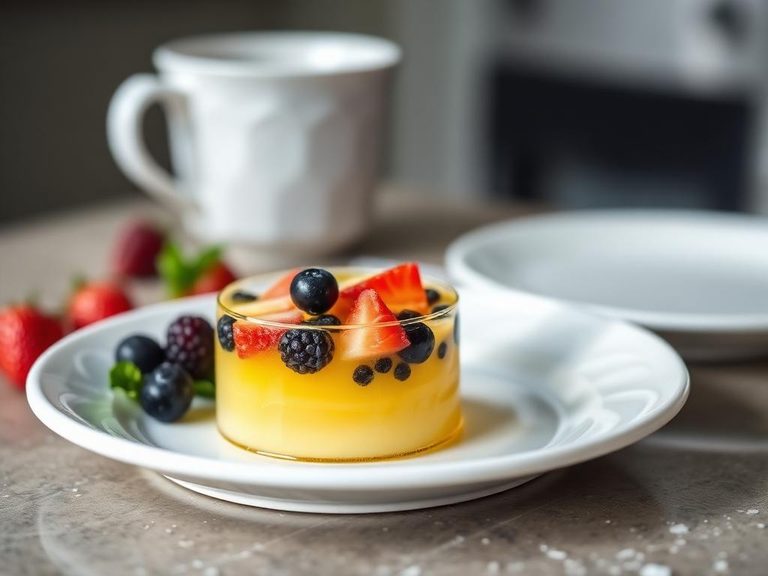
A base for fruit-based gelatin desserts is a sweetened, flavored liquid mixture that serves as the foundation for making jellies, fruit gels, and similar chilled desserts. It typically consists of water, sugar, fruit juice or puree, and a gelling agent like gelatin or pectin. While variations exist worldwide, this type of preparation is a staple in home kitchens and dessert-making across many cultures.
🍽️ Nutrition at a glance
This base is primarily a source of carbohydrates, coming almost entirely from added sugars and natural fruit sugars, with negligible protein or fat. A typical serving provides a quick energy boost and may contain small amounts of vitamins like Vitamin C if made with real fruit juice, but it is not a significant source of essential nutrients.
Nutrition breakdown
| Calories | 160 kcal |
| Protein | 0 g |
| Carbs | 40 g |
| Fat | 0 g |
| Fiber | 0 g |
| Sugar | 38 g |
| Sodium | 30 mg |
| Vitamin C | 10 mg |
| Potassium | 45 mg |
| Calcium | 15 mg |
| Iron | 0.2 mg |
Per 1 cup (240 g) · estimated, varies by recipe
💡 What's interesting
Culturally, the concept of a sweet, fruit-flavored gel is universal, appearing in forms like American Jell-O, European fruit jellies, and Asian agar-based desserts. Nutritionally, its unique aspect is that it transforms a liquid into a semi-solid form through hydrocolloid gelling agents, creating a fun texture that can make hydration more appealing, especially for children.
🍽️ Related dishes
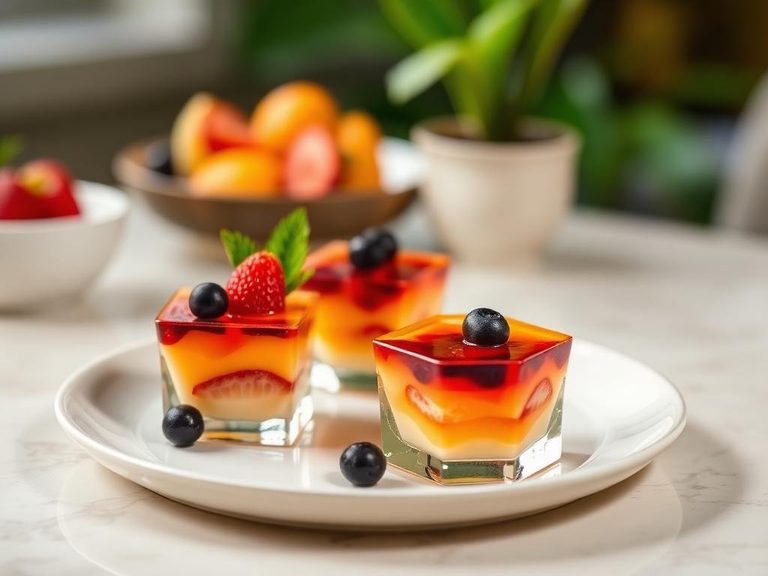 Used as a base for fruit-based gelatin desserts
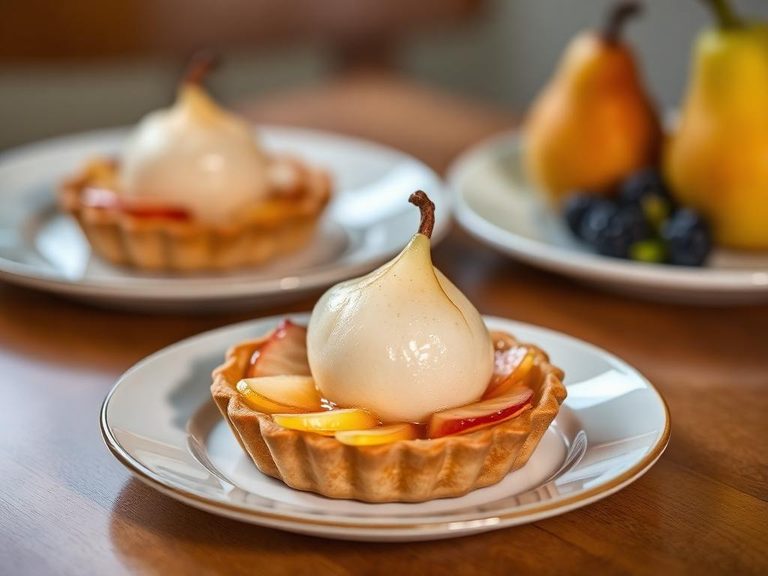 Fruit-based desserts like apple tart or pear sorbet
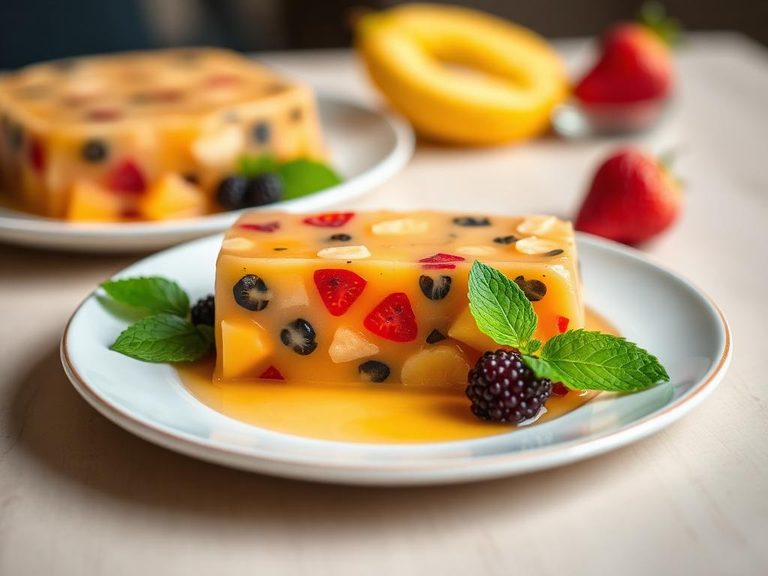 Gelatin-based fruit terrine
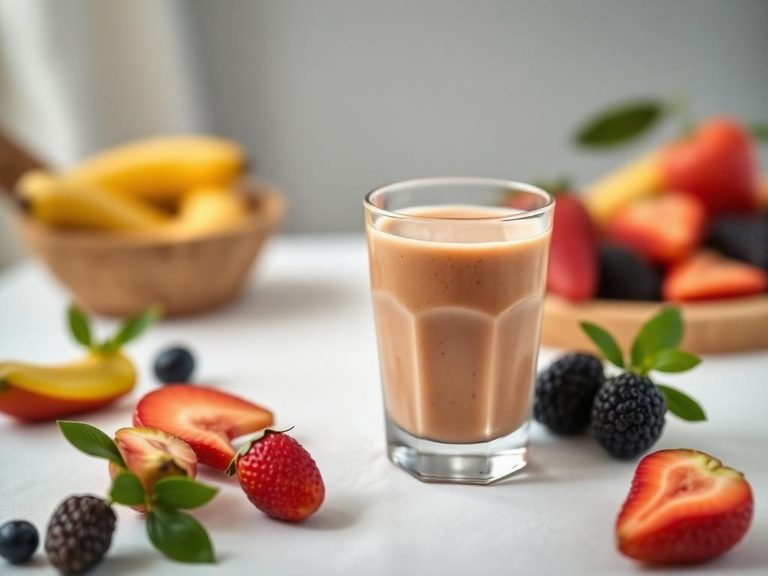 Formula-based fruit smoothie for older babies
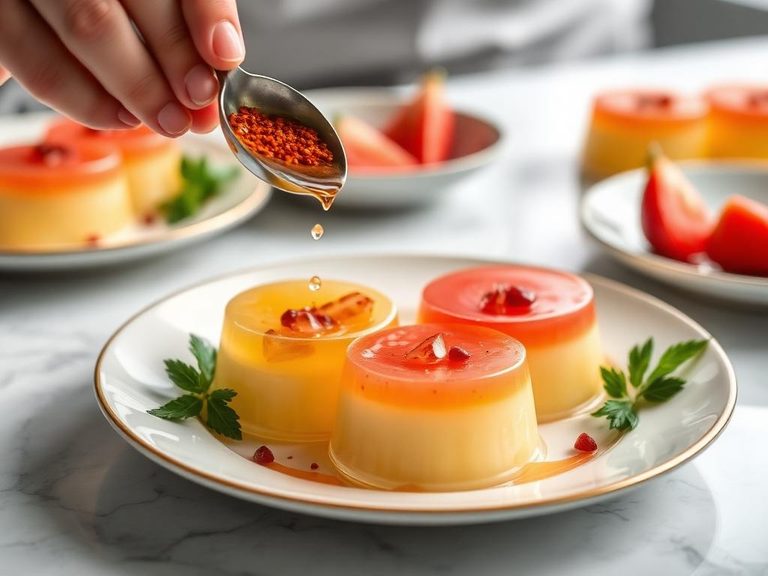 Flavoring for gelatin desserts
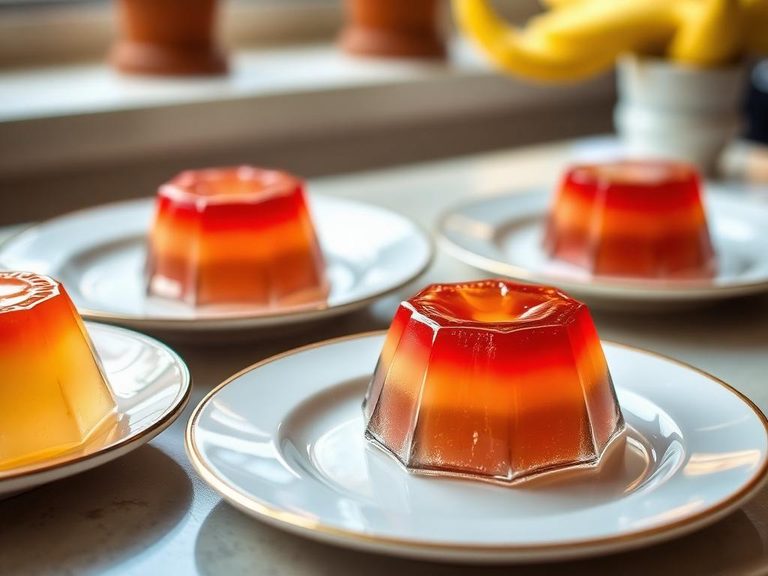 Jell-O or gelatin desserts
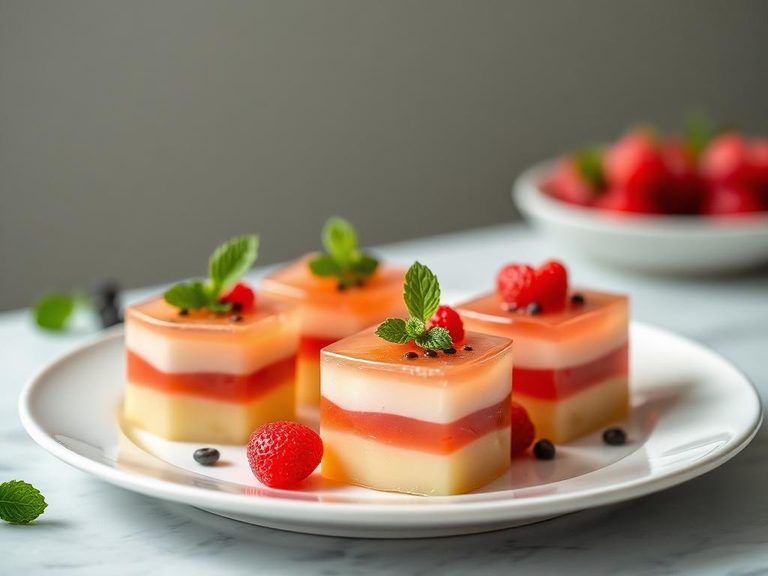 Topping for sugar-free gelatin desserts
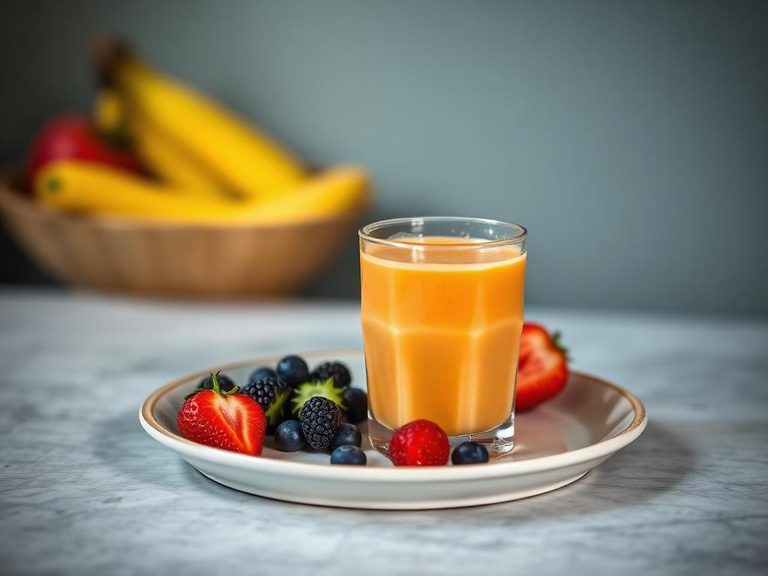 Formula-based smoothie for older toddlers