Added to stir-fries
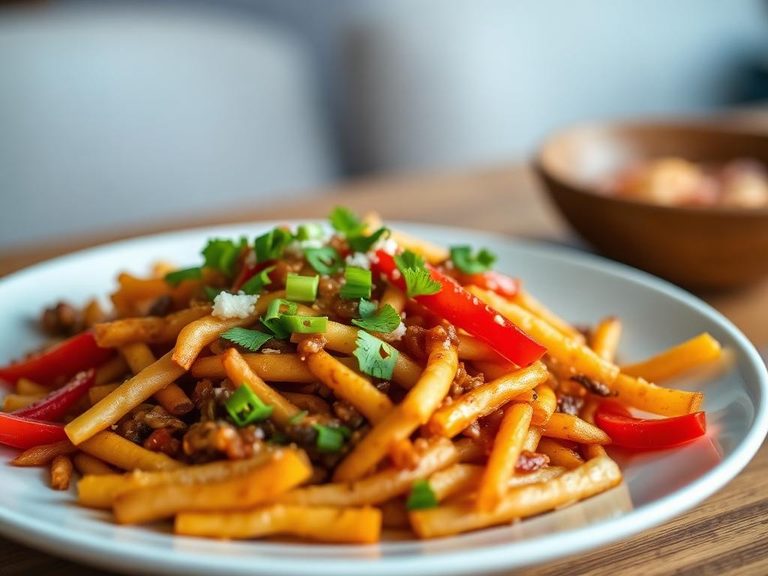
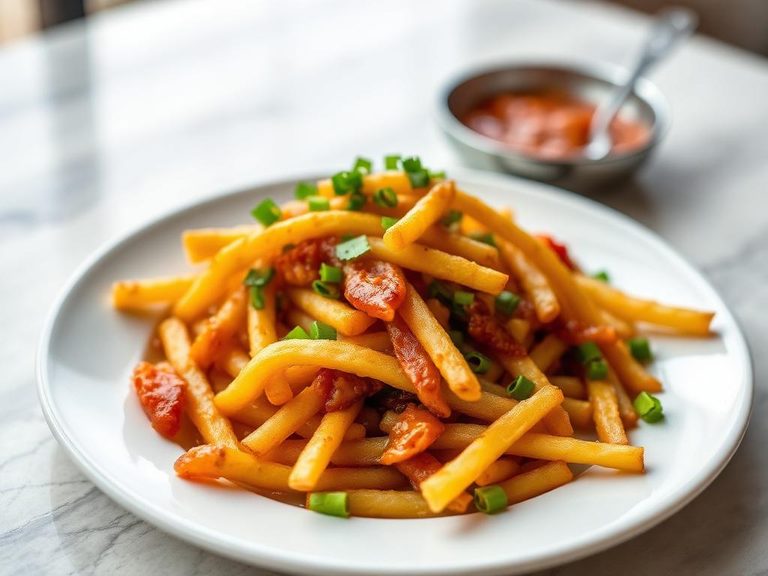
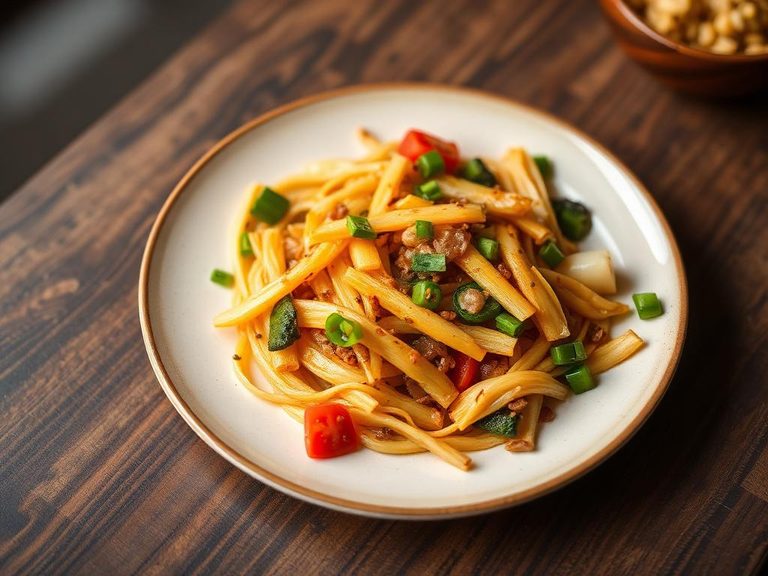
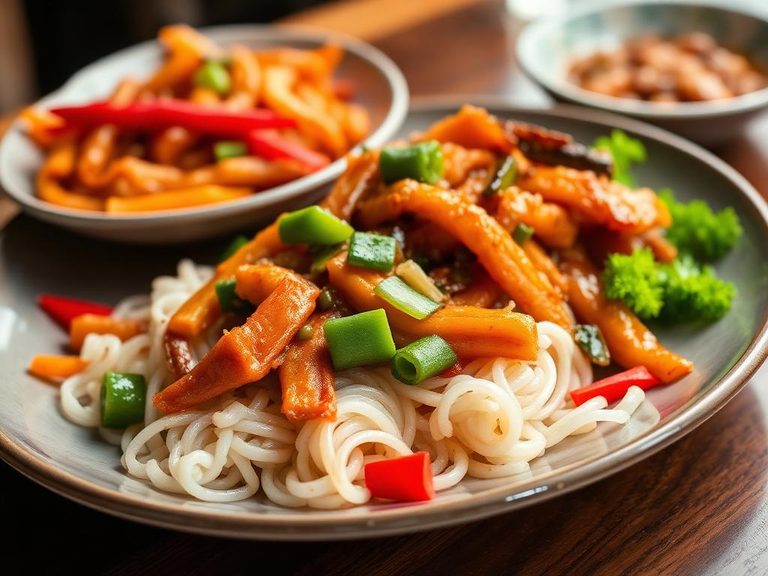
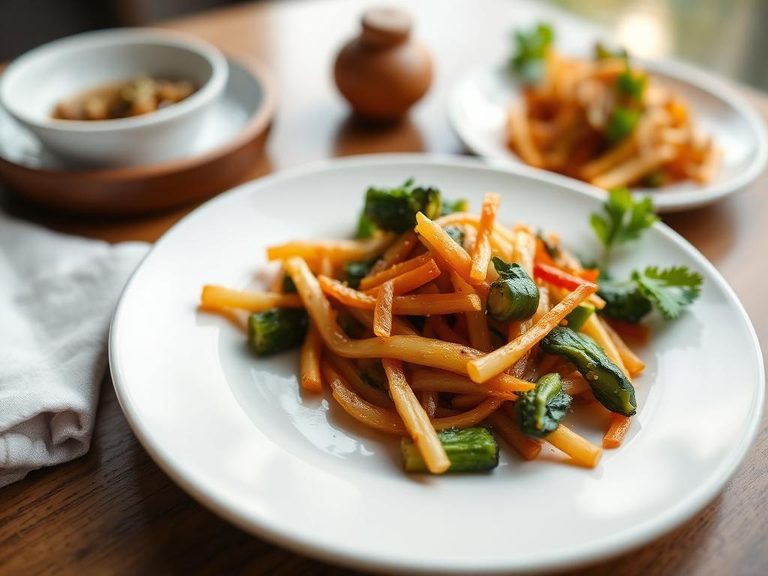
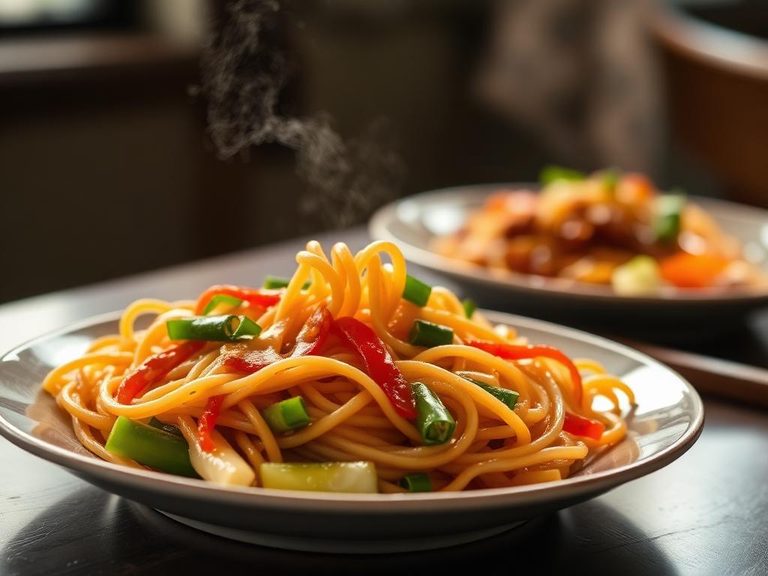
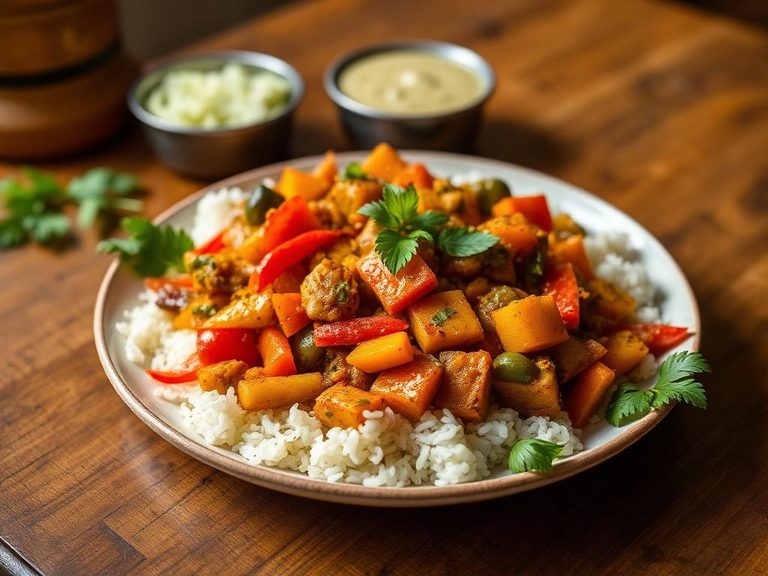
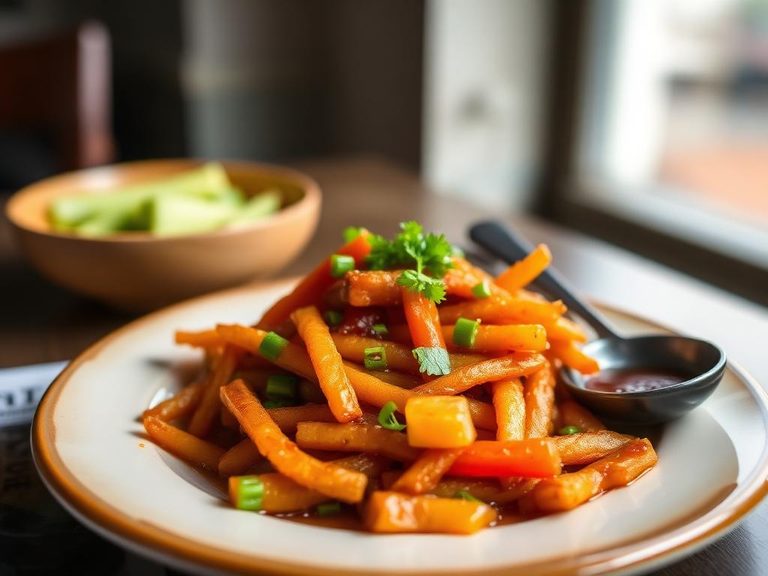
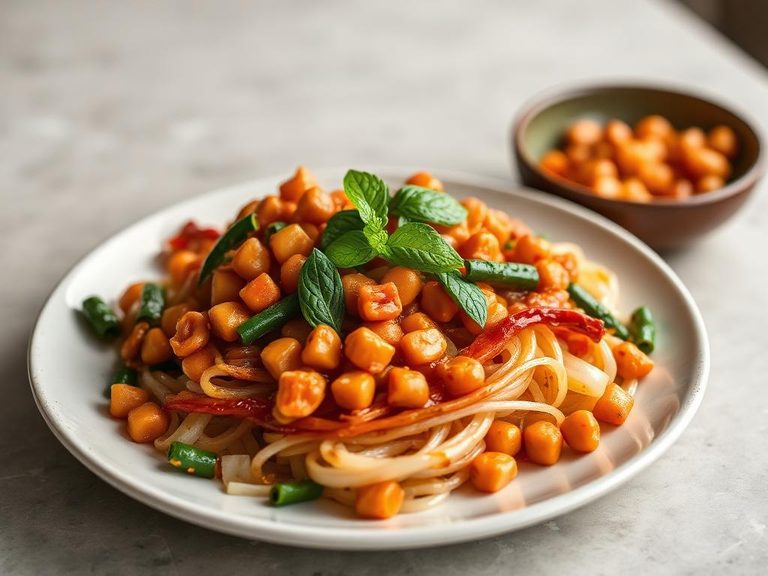
Stir-fries are a dynamic cooking method, not a single dish, where ingredients are quickly cooked in a hot pan or wok with oil. They typically feature a colorful mix of vegetables, proteins like chicken, beef, tofu, or shrimp, and are coated in a savory sauce. This technique is a cornerstone of East and Southeast Asian cuisines, particularly Chinese, Thai, and Korean.
🍽️ Nutrition at a glance
A typical stir-fry is well-balanced, offering a good source of protein from the meat or tofu and carbohydrates from the sauce and any accompanying rice or noodles. It is rich in vitamins and minerals from the variety of vegetables used, with a calorie range that varies widely (roughly 300-600 kcal per serving) depending on the specific ingredients, oil, and sauce used.
Nutrition breakdown
| Calories | 350 kcal |
| Protein | 25 g |
| Carbs | 15 g |
| Fat | 20 g |
| Fiber | 4 g |
| Sugar | 6 g |
| Sodium | 800 mg |
| Vitamin C | 45 mg |
| Vitamin A | 300 µg |
| Iron | 2.5 mg |
| Potassium | 450 mg |
| Vitamin K | 70 µg |
| Niacin (B3) | 8 mg |
| Selenium | 18 µg |
| Manganese | 0.6 mg |
Per 1 cup (240 g) of mixed vegetable and chicken stir-fry (without rice) · estimated, varies by recipe
💡 What's interesting
The magic of a stir-fry lies in 'wok hei' (breath of the wok), a complex, smoky aroma achieved by cooking ingredients over extremely high heat in a seasoned wok. Nutritionally, the quick cooking method helps vegetables retain more of their crisp texture and heat-sensitive nutrients compared to longer cooking methods.