Used in pediatric medical settings
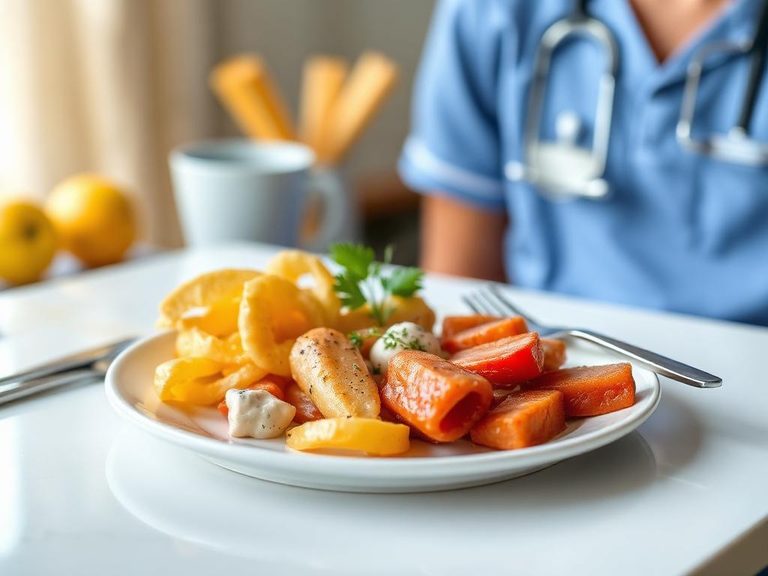
Congee, a simple rice porridge, is a staple in pediatric medical settings across Asia and increasingly in Western hospitals for its gentle, easily digestible nature. It's typically made by boiling rice in a large amount of water or broth until it breaks down into a thick, smooth consistency, often with minimal seasoning. While originating in China, its use has become widespread in clinical nutrition for children.
🍽️ Nutrition at a glance
Congee is primarily a source of easily absorbed carbohydrates for energy, with very low fat and protein content unless enriched. It provides key electrolytes and is hydrating, with a rough calorie ballpark of 100-150 calories per cup for plain rice congee, making it a light, restorative food.
Nutrition breakdown
| Calories | 120 kcal |
| Protein | 3 g |
| Carbs | 22 g |
| Fat | 2.5 g |
| Fiber | 1 g |
| Sugar | 10 g |
| Sodium | 150 mg |
| Calcium | 200 mg |
| Iron | 3.0 mg |
| Potassium | 350 mg |
| Vitamin A | 150 mcg |
| Vitamin D | 2.5 mcg |
| Vitamin C | 15 mg |
| Zinc | 2.0 mg |
| Phosphorus | 180 mg |
Per 1 cup (240 g) · estimated, varies by recipe
💡 What's interesting
Culturally, congee is a traditional comfort food for the sick across many Asian cuisines, making it a familiar and soothing choice in hospitals. Nutritionally, its unique, pre-gelatinized starch structure makes it exceptionally gentle on the digestive system, ideal for recovery.
🍽️ Related dishes
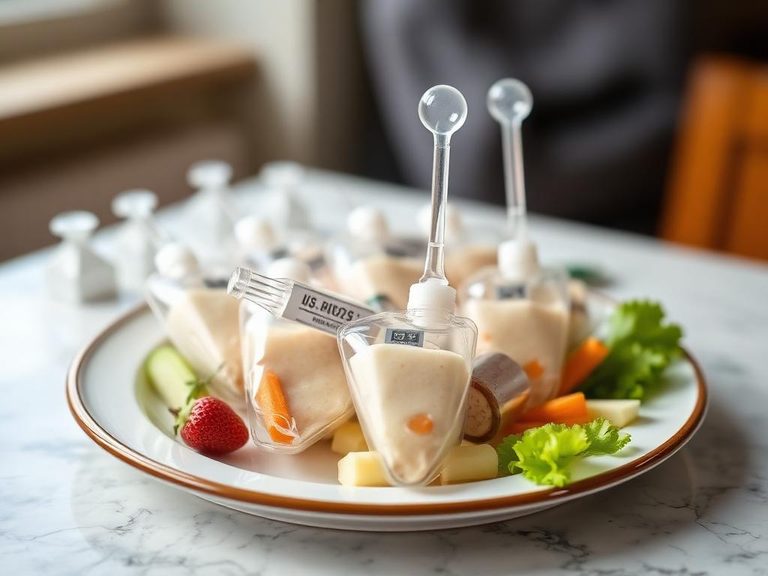 Used in pediatric medical feeding tubes
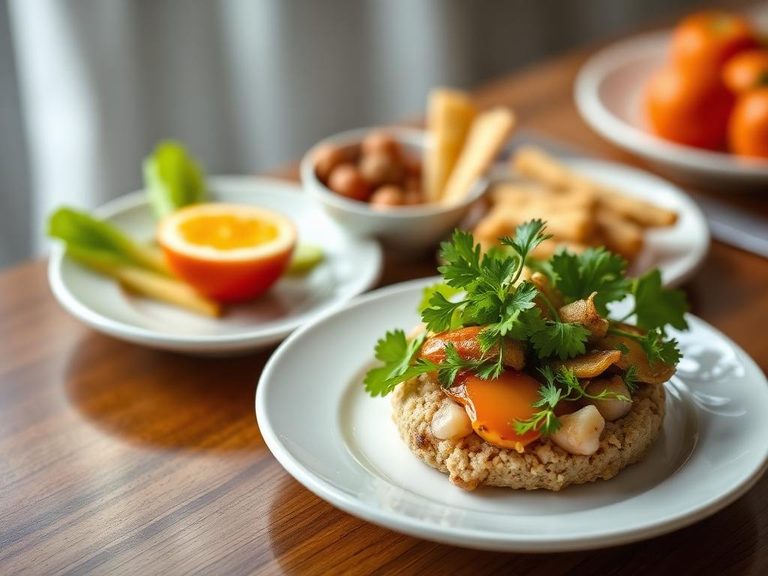 Used in pediatric medical feeding plans
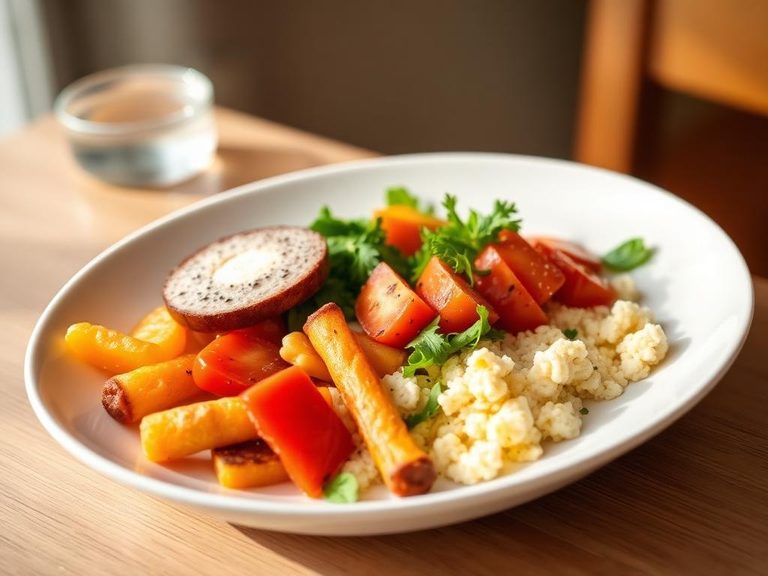 Used in pediatric medical diets
 Used in pediatric medical nutrition plans
 Used in pediatric medical nutrition shakes
 Used in pediatric medical nutrition drinks
 Used in hospital settings for clinical nutrition
 Component in specialized pediatric medical shakes