

Traditional Eskimo ice cream (quaq)
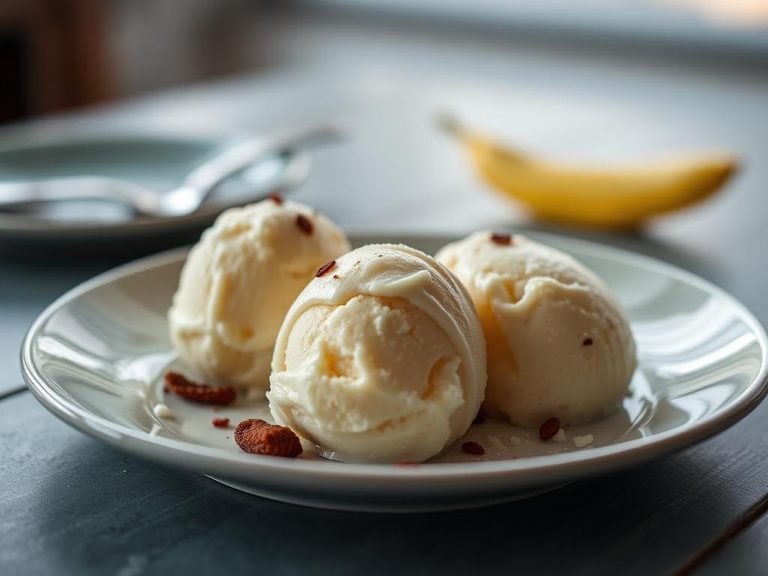
Quaq is a traditional Inuit dish, often referred to as 'Eskimo ice cream,' made by whipping fat—typically from caribou, seal, or whale—with water and sometimes berries or snow. It originates from Arctic regions like Alaska, northern Canada, and Greenland, where it has been a vital source of energy for centuries.
🍽️ Nutrition at a glance
Quaq is extremely high in fat and provides a dense source of calories, with minimal carbohydrates and protein. A typical serving can offer over 500 calories, primarily from animal fats, along with essential fat-soluble vitamins and minerals.
Nutrition breakdown
| Calories | 560 kcal |
| Protein | 2 g |
| Carbs | 5 g |
| Fat | 60 g |
| Fiber | 1 g |
| Sugar | 3 g |
| Sodium | 15 mg |
| Vitamin A | 450 IU |
| Vitamin D | 2.5 mcg |
| Vitamin E | 1.8 mg |
| Vitamin K | 5 mcg |
| Iron | 1.2 mg |
| Zinc | 0.8 mg |
| Selenium | 3.5 mcg |
| Phosphorus | 40 mg |
Per 1/2 cup (120 g) · estimated, varies by recipe
💡 What's interesting
Unlike dairy-based ice cream, quaq is a savory, high-energy food traditionally used to sustain people in harsh, cold climates. Its preparation often involves communal whipping, making it a culturally significant activity that strengthens social bonds.
🍽️ Related dishes
AI estimate may be inaccurate · Terms