

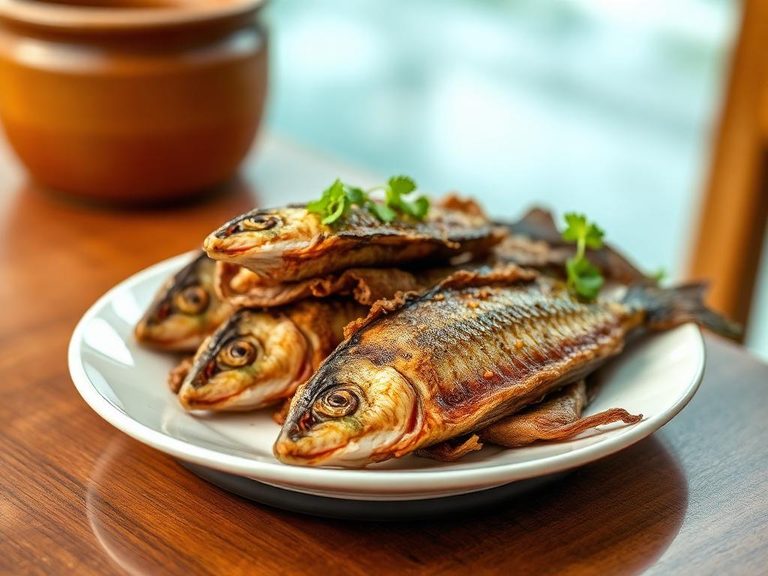
Tipnuk as a side dish with dried fish
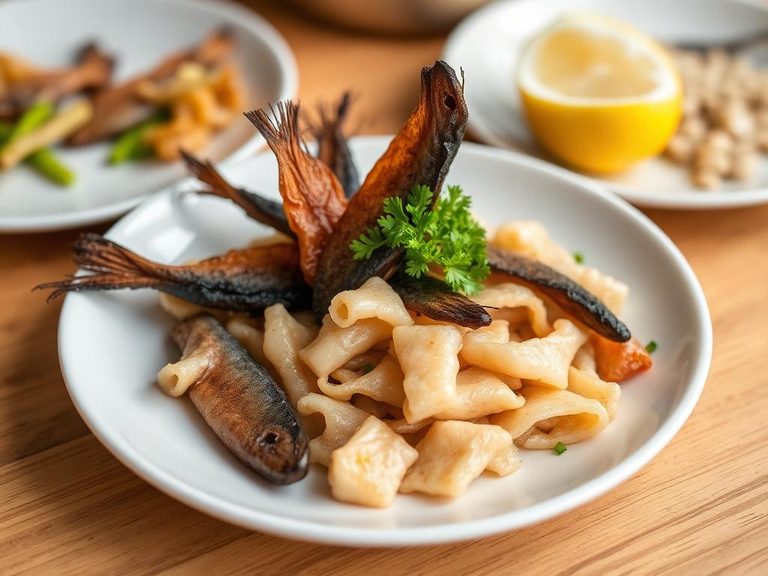
Tipnuk is a traditional Inuit dish made from the fermented or dried stomach and intestines of marine mammals, often served alongside dried fish like Arctic char. The dish is a staple in Arctic regions, particularly among Inuit communities in Canada, Greenland, and Alaska, where it provides essential nutrients in a harsh climate. It's typically prepared by cleaning, fermenting, and then air-drying the organs, which are later boiled or simmered before serving.
🍽️ Nutrition at a glance
Tipnuk is high in protein and fat, providing a dense source of energy and essential fatty acids like omega-3s, along with key minerals such as iron and zinc. A typical serving contains around 200-250 calories, with minimal carbohydrates.
Nutrition breakdown
| Calories | 220 kcal |
| Protein | 18 g |
| Carbs | 2 g |
| Fat | 15 g |
| Fiber | 0 g |
| Sugar | 0 g |
| Sodium | 450 mg |
| Iron | 4.5 mg |
| Zinc | 3.2 mg |
| Vitamin B12 | 12 µg |
| Selenium | 35 µg |
| Phosphorus | 250 mg |
| Omega-3 Fatty Acids | 1.2 g |
| Potassium | 180 mg |
| Vitamin A | 120 µg |
Per 100 g (about 3.5 oz) · estimated, varies by recipe
💡 What's interesting
Culturally, Tipnuk represents the Inuit's ingenious use of all parts of marine mammals, minimizing waste in an environment where resources are scarce. Nutritionally, the fermentation process enhances nutrient availability and introduces beneficial probiotics, making it a unique functional food in traditional diets.
🍽️ Related dishes

AI estimate may be inaccurate · Terms