

Taro Tapioca Dessert

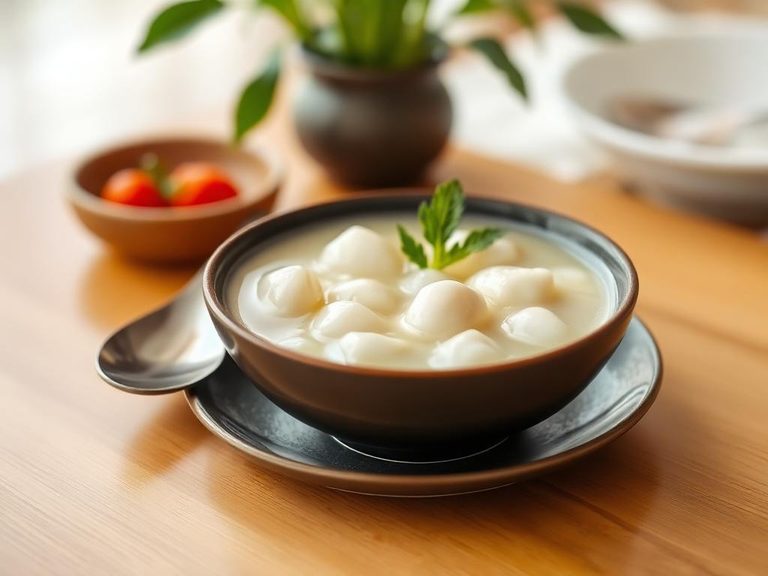
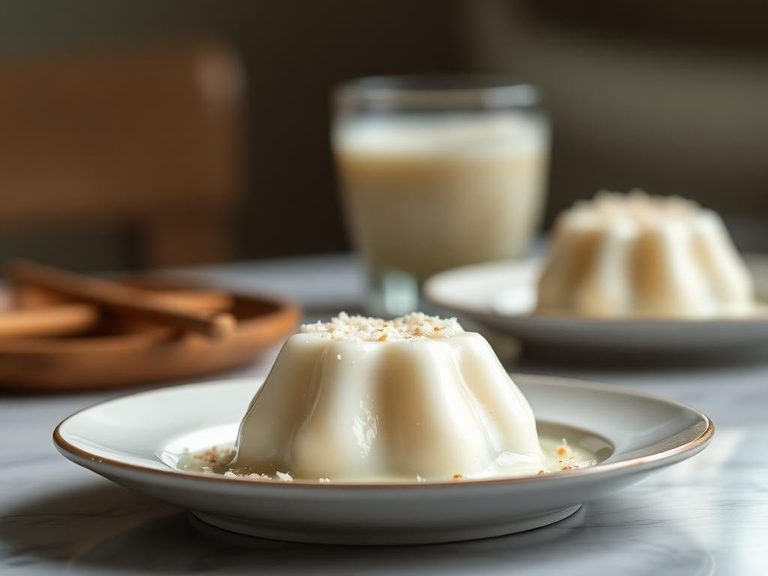
Taro Tapioca Dessert is a sweet, comforting soup or pudding popular across Southeast Asia and parts of China, featuring soft, starchy taro cubes and chewy tapioca pearls simmered in a creamy coconut milk base. It's often sweetened with sugar and sometimes enhanced with pandan leaves for a fragrant aroma. This dessert is enjoyed warm or chilled, making it a versatile treat for various occasions.
🍽️ Nutrition at a glance
This dessert is high in carbohydrates due to the taro, tapioca, and sugar, providing quick energy but minimal protein or fat unless enriched with coconut milk. A typical serving offers around 200-300 calories, with key nutrients including dietary fiber from taro and some minerals like potassium.
Nutrition breakdown
| Calories | 220 kcal |
| Protein | 2.5 g |
| Carbs | 48 g |
| Fat | 2 g |
| Fiber | 3 g |
| Sugar | 28 g |
| Sodium | 40 mg |
| Potassium | 350 mg |
| Manganese | 0.8 mg |
| Vitamin C | 6 mg |
| Vitamin B6 | 0.15 mg |
| Magnesium | 45 mg |
| Iron | 1.2 mg |
| Phosphorus | 80 mg |
| Zinc | 0.5 mg |
Per 1 cup (240 g) · estimated, varies by recipe
💡 What's interesting
Culturally, taro is considered a staple and auspicious ingredient in many Asian cuisines, often associated with prosperity and comfort. Nutritionally, taro provides resistant starch, which may support gut health, while tapioca pearls add a fun, textural element that makes the dessert uniquely satisfying.
🍽️ Related dishes



AI estimate may be inaccurate · Terms